
Table of Contents
ToggleThat sharp zing when cold water hits a tooth sends most people straight to one conclusion: a cavity is forming. Cold sensitivity is a symptom of exposed dentin, and a cavity is only one of several reasons that layer gets exposed. Enamel erosion, gum recession, a cracked tooth, and even an old filling losing its seal can all produce the same sharp reaction.
The distinction matters because treatment differs widely depending on the cause. A cavity needs a filling. Worn enamel might just need a desensitizing toothpaste and a change in habits. Grinding-related sensitivity calls for a night guard, not a drill.
A dental team like Old North Dentures and Implants can pinpoint the cause with an exam, but knowing what else could be happening helps you describe the symptom accurately and decide how urgently to get it checked.
What Cold Sensitivity Can Reveal About a Tooth
Cold sensitivity signals that the dentin layer inside a tooth has lost its protective cover, not that decay is automatically present. Dentin sits beneath the enamel (and beneath the gum line, over the tooth root), and it’s packed with microscopic tubules that connect directly to the nerve. Once dentin is exposed, cold triggers a fast, sharp nerve response.
How Exposed Dentin Creates a Cold Zing
Dentin tubules act like tiny channels running toward the tooth’s nerve center. Cold liquid or air causes fluid inside those tubules to shift rapidly, and that movement triggers the nerve to fire. The result is the quick, sharp pain people describe as a “zing.”
This mechanism is the same whether the exposed dentin came from a cavity, a worn spot of enamel, or a receded gum line. The tooth’s nerve doesn’t distinguish the cause; it just reacts to fluid movement in the tubules.
Why Symptoms May Be Brief or Linger After a Cold Drink
A quick, sharp pain that fades within a few seconds of finishing a cold drink usually points to surface-level dentin exposure, like mild enamel wear. Pain that lingers for 30 seconds or longer after the cold source is gone suggests deeper irritation, closer to the tooth’s pulp or nerve tissue.
Lingering pain is worth tracking. It often signals that inflammation has moved past the outer dentin and into tissue that reacts more slowly to recover, which is a pattern more associated with advancing decay or nerve involvement than with simple enamel thinning.
Common Causes Beyond Tooth Decay
Cavities are far from the only reason a tooth reacts to cold. Enamel erosion, receding gums, physical damage to the tooth structure, and grinding forces each expose or stress dentin in different ways, and all four are common findings in patients who assume a cavity is to blame.
Enamel Erosion and Thinning
Enamel wears down gradually from acidic foods, soda, citrus, wine, and even overly aggressive brushing. Once it thins enough, dentin underneath becomes exposed even without a single cavity forming.
Whitening treatments can also temporarily increase sensitivity by affecting the enamel surface. This tends to fade within a few days to a couple of weeks after treatment ends.
Gum Recession and Exposed Roots
When gums pull back from the tooth, root surfaces that were never meant to be exposed suddenly are. Root surfaces have no enamel covering at all, only a thin layer of cementum, so they’re far more sensitive to temperature than the crown of the tooth.
Recession happens from aggressive brushing, gum disease, aging, or genetics. It often shows up as sensitivity along the gum line rather than at the biting surface.
Cracks, Worn Fillings, and Other Tooth Damage
A hairline crack or a filling that has worn down, chipped, or started to leak can let cold fluid reach dentin or the tooth’s inner layers directly. This type of sensitivity often affects a single tooth and may come with a sharp pain specifically when biting down, not just with cold exposure.
Ill-fitting crowns or onlays can create similar gaps where temperature reaches sensitive tissue underneath.
Teeth Grinding and Bite Pressure
Grinding wears down enamel over time and can create micro-fractures in tooth structure, both of which expose dentin. It also puts sustained pressure on teeth that can inflame the nerve even before visible enamel loss occurs.
People who grind at night often notice sensitivity is worse in the morning, along with jaw soreness or flattened-looking teeth.
When Cold Sensitivity May Point to a Cavity
Cold sensitivity is more likely tied to a cavity when it’s paired with visible decay, localized pain, or symptoms that worsen over time rather than staying steady. Decay tends to follow a progression, and that pattern helps separate it from enamel wear or recession, which usually stay fairly stable unless the underlying cause continues.
Signs That Decay Is More Likely
A cavity is the more probable explanation when sensitivity comes with a visible dark spot, a hole, or rough texture on the tooth. Pain that intensifies over weeks, or that starts happening with sweet foods in addition to cold, also points toward decay.
Cavities create an actual opening in the tooth that exposes dentin and nerve tissue directly, so the pain pattern tends to escalate rather than plateau.
Why One Sensitive Tooth Deserves Attention
Sensitivity in a single, specific tooth carries more weight than generalized sensitivity across many teeth. Widespread sensitivity usually points to enamel erosion or recession affecting the whole mouth. One isolated tooth reacting sharply suggests something localized, like a cavity, crack, or a compromised filling on that specific tooth.
When to Schedule a Dental Exam
Book an exam when sensitivity lasts more than a few days, involves one tooth specifically, or comes with lingering pain after cold exposure ends. Pain that disrupts sleep or occurs without any obvious trigger also warrants a visit sooner rather than later.
Cavities that go unaddressed rarely stay at an early stage; the opening tends to grow and the nerve becomes more involved.
Getting the Right Answer for a Sensitive Tooth
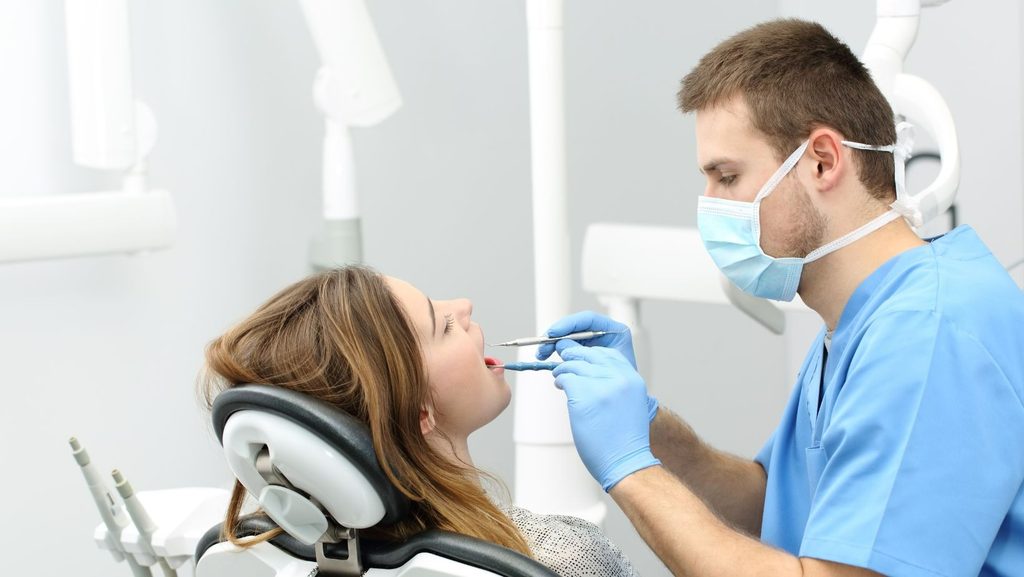
An X-ray and clinical exam are the only reliable way to determine what’s actually causing cold sensitivity. A dentist checks for visible decay, tests each tooth’s response to cold and pressure individually, and examines gum position and enamel wear patterns to narrow down the source.
At-home clues help guide that conversation. Note whether one tooth or many react, how long the pain lasts after the cold source is removed, and whether biting down triggers pain separately from temperature.
Desensitizing toothpaste with potassium nitrate or fluoride can ease mild cases tied to enamel wear or recession while you wait for an appointment. It won’t resolve a cavity or a crack, so ongoing or worsening sensitivity still needs a professional look.
Conclusion
Cold sensitivity signals exposed dentin, and a cavity is just one of several possible reasons behind that exposure. Enamel erosion, gum recession, cracked teeth, worn fillings, and grinding can all trigger the same sharp reaction to cold.
Paying attention to the pattern, whether pain lingers, whether it affects one tooth or several, and whether it’s paired with visible damage, helps clarify what’s likely happening. A dental exam remains the most direct way to confirm the cause and get the right treatment started.