Table of Contents
ToggleMost routine dental care is safe throughout an IVF cycle, and putting off a cleaning or filling out of fear isn’t necessary or advisable. Cleanings, fillings, and even root canals can typically go ahead during ovarian stimulation, while elective procedures like implants, extractions, and teeth whitening are better scheduled before you start or after your cycle resolves. The distinction comes down to infection risk, medication timing, and how close you are to egg retrieval or embryo transfer.
Hormone injections and the anxiety of waiting for results already put your body through a lot during an IVF cycle. A toothache or a cracked filling on top of that timeline adds stress you don’t need, and figuring out what’s actually urgent versus what can wait shouldn’t require guesswork.
Fertility clinics and dental teams generally agree on where the lines sit. Knowing them ahead of time, and letting a dental team like Beacon Dental know about your cycle, means you can act quickly when something comes up, instead of scrambling to find answers mid-cycle.
What Dental Treatment Is Safe During an IVF Cycle?
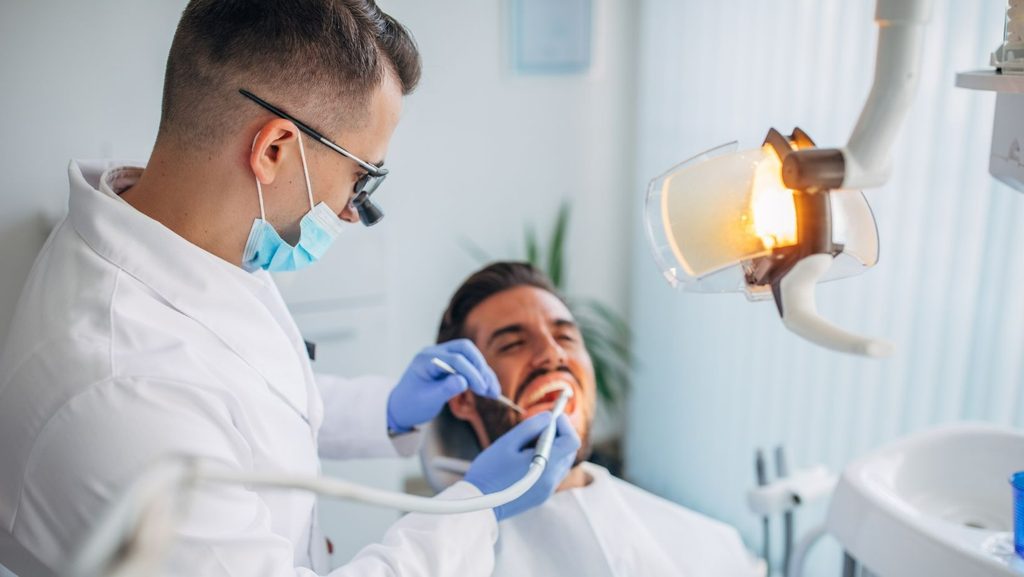
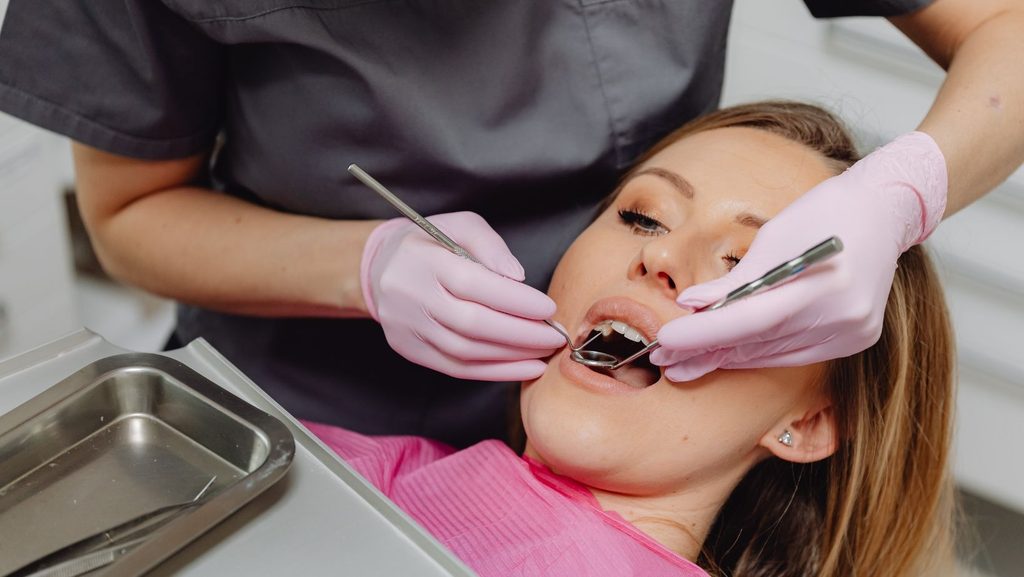
Cleanings, fillings, and root canal treatment are generally safe at any point in an IVF cycle, including during stimulation. X-rays and local anesthetic carry minimal risk when your dentist takes standard precautions, and untreated infections pose a greater threat to your treatment than the dental work itself.
Routine Checkups and Professional Cleanings
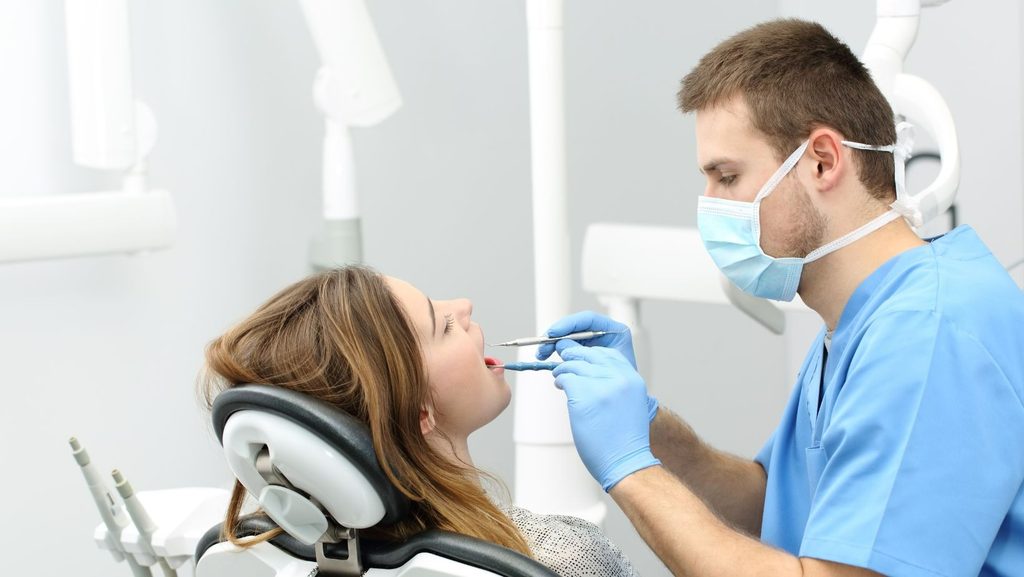
Regular checkups and cleanings pose no known risk to your IVF cycle. Dental and fertility groups agree that routine hygiene visits should continue on schedule, even during hormone stimulation. Skipping a cleaning doesn’t protect your cycle; it just lets plaque and inflammation build up at a time when your gums are already more reactive to hormonal shifts.
Fillings, Crowns, and Root Canal Treatment
Fillings, crown placement, and root canal therapy are safe to complete during an active IVF cycle. These procedures treat existing problems, and delaying them risks the decay or infection worsening. A root canal addresses a bacterial infection inside the tooth; leaving it untreated introduces ongoing inflammation into your body at a time when you want conditions as stable as possible.
Dental X-Rays, Local Anesthetic, and Medications
Standard dental X-rays deliver a low dose of radiation, and a lead apron with thyroid shielding limits your exposure to a fraction of what’s used in medical imaging. Local anesthetics like lidocaine are routinely used during fertility treatment without documented harm to a cycle. Antibiotics and pain relievers need a second look, though: run any prescription by your fertility team before filling it, since some pain medications and certain antibiotics may not pair well with your stimulation protocol.
Urgent Symptoms That Need Prompt Dental Care
Swelling, throbbing pain, or visible signs of infection call for same-week dental attention regardless of where you are in your cycle. A tooth infection raises inflammation throughout your body and adds physical stress your system doesn’t need during stimulation or the days around retrieval. Waiting on an abscess in hopes of “not disrupting” your cycle tends to backfire, since an untreated infection is far more disruptive than the visit itself.
When Should Dental Procedures Be Delayed?
Extractions, implants, and elective cosmetic work are best scheduled before you start IVF or after your transfer, when your body has more flexibility to recover without competing priorities. Sedation and surgical procedures introduce variables your fertility team would rather manage on their own timeline.
Extractions, Implants, and Oral Surgery
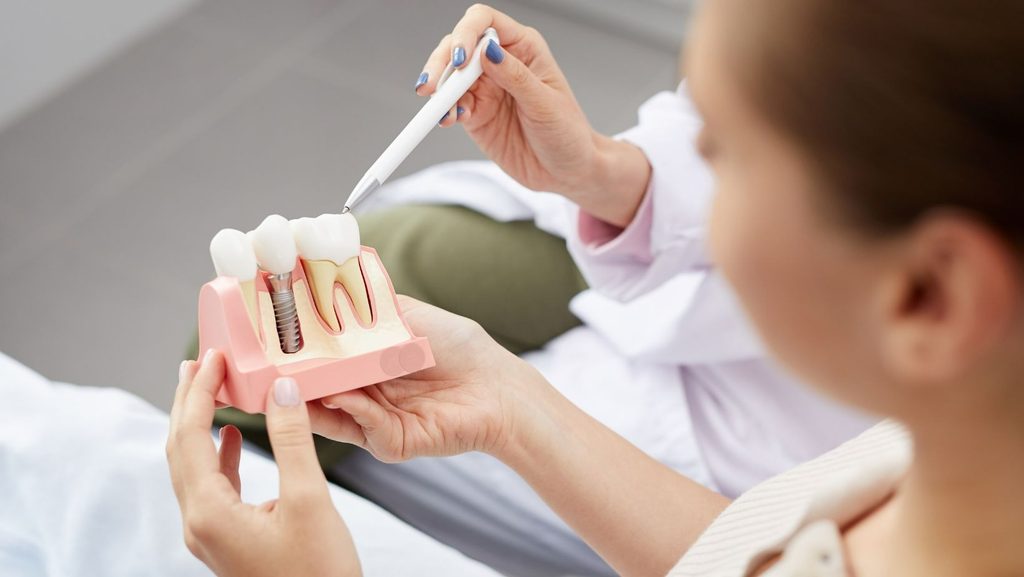
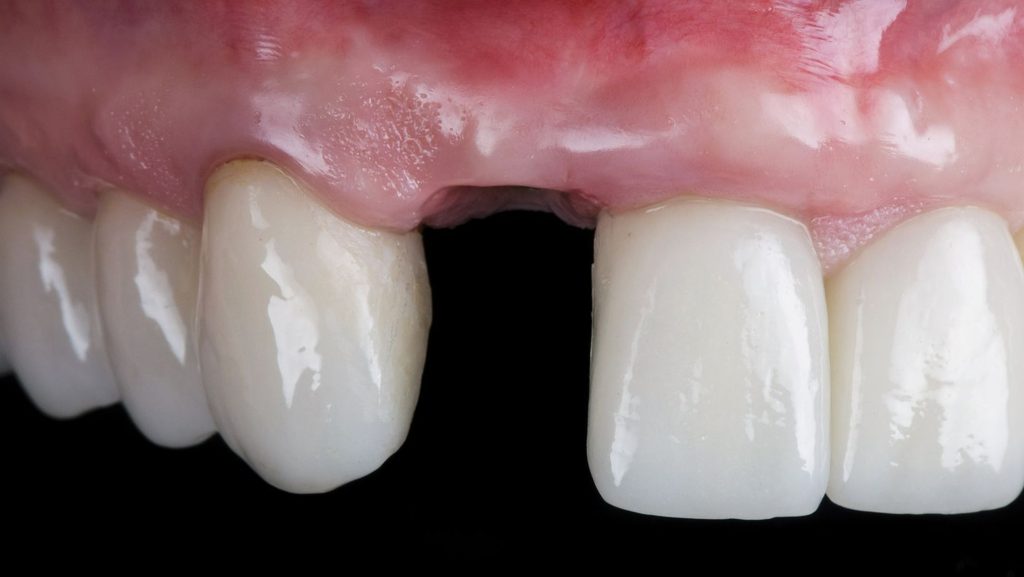
Extractions and implant placement involve healing time, bleeding risk, and often a course of antibiotics, all of which are easier to manage outside an active cycle. Implant treatment in particular requires a stable healing period; layering that onto egg retrieval or a two-week wait adds unnecessary complexity. If a tooth genuinely needs to come out, your dentist and fertility specialist should coordinate on timing rather than you deciding alone.
Sedation and Elective Cosmetic Procedures
Sedation dentistry and cosmetic treatments like teeth whitening are worth postponing until after your cycle. Whitening gels haven’t been shown to harm fertility, but there’s little reason to introduce a new chemical exposure during stimulation when the procedure can simply wait a few weeks. Sedation carries its own considerations, since some sedative agents aren’t well studied in the context of ovarian stimulation or early pregnancy, and your fertility clinic would rather avoid that uncertainty.
How Egg Retrieval and Embryo Transfer Affect Timing
The days immediately around retrieval and transfer are the tightest window for avoiding invasive dental work. Procedures like deep scaling or root planing can push bacteria into your bloodstream briefly, and clinics prefer to avoid that risk in the days leading up to transfer. A good rule of thumb: finish any invasive dental treatment at least a week before transfer, and hold off on non-urgent procedures until after your pregnancy test.
How Can You Protect Your Teeth and Gums During Fertility Treatment?
Daily oral hygiene becomes more important during fertility treatment because hormone fluctuations make your gums more prone to inflammation. Small, consistent habits during your cycle do more for your mouth than any single dental visit.
Why IVF Hormones Can Cause Bleeding Gums and Dry Mouth
Elevated estrogen and progesterone during stimulation increase blood flow to gum tissue, which can make gums swell, redden, and bleed more easily when you brush or floss. Some patients also notice dry mouth from medications or from drinking less water during appointment-heavy weeks. Both changes mirror what many people experience during pregnancy, and both resolve once hormone levels settle.
Daily Oral Hygiene Habits That Reduce Inflammation
Brushing twice daily with a soft-bristled brush and flossing once a day keeps gum inflammation in check during hormone shifts. Add an alcohol-free mouth rinse if your gums feel tender, since alcohol-based rinses can worsen dry mouth. Sipping water throughout the day helps counter medication-related dryness, and a sugar-free lozenge can help if your mouth feels persistently dry between appointments.
How Dentists and Fertility Specialists Can Coordinate Care
Sharing your IVF timeline with your dentist lets both providers plan around your protocol instead of working in isolation. Bring your stimulation calendar to any dental appointment so your dentist can flag procedures worth scheduling before retrieval or after transfer. Your fertility clinic, in turn, should know about any dental infection or planned procedure, since that context affects how they interpret symptoms like fatigue or elevated inflammation markers during your cycle.
Prioritizing Necessary Care While Avoiding Unneeded Disruption
Treating an existing dental problem during IVF protects your cycle more than postponing it does. Infections, cavities, and gum disease introduce inflammation your body doesn’t need while you’re working toward a pregnancy, so addressing them promptly serves your treatment goals rather than working against them.
Elective and surgical procedures are the ones worth timing carefully. Implants, extractions, and cosmetic work can wait for a stretch of your calendar with no retrieval, transfer, or two-week wait competing for your body’s attention.
A short conversation between your dentist and fertility team resolves most of the uncertainty. Bring your protocol calendar to dental visits, ask before filling any new prescription, and treat urgent symptoms without hesitation.