
Table of Contents
ToggleEstrogen, testosterone, and anti-androgens do more than reshape the body during gender transition. They also change the chemistry and tissue of the mouth, affecting everything from saliva production to gum sensitivity and bone density around the teeth.
Transgender patients on hormone therapy benefit most from a dentist who knows their full medication history and adjusts periodontal monitoring, dry mouth management, and recall frequency accordingly. This matters because sex hormones interact directly with oral tissue, and a dental team unaware of a patient’s regimen may miss early warning signs or misattribute symptoms to unrelated causes.
The connection between hormone therapy and oral health remains under-researched, but dentists and hygienists who have treated transgender patients over multiple transition stages recognize consistent patterns worth watching. Knowing what to expect, advocating for yourself in the dental chair, and sharing your full regimen with a dental team like Gainesville Dentistry Co. all make a measurable difference in long-term outcomes.
How Hormone Therapy Can Affect Oral Health
Gender-affirming hormone therapy changes the oral environment through several distinct pathways, from saliva production to the density of the bone anchoring your teeth. Estrogen and testosterone each interact with gum tissue differently, and the effects tend to shift depending on how long you’ve been on a given regimen.
Dry Mouth, Cavities, and Saliva Changes
Hormone therapy can reduce saliva flow, and less saliva means less natural protection against decay. Saliva neutralizes acids, washes away food particles, and delivers minerals that re-harden enamel after acid exposure.
Testosterone therapy has been linked to xerostomia (dry mouth) in some transmasculine patients, while anti-androgens and estrogen used in transfeminine therapy carry their own reports of reduced salivary output. A drier mouth creates more surface area for bacteria to thrive, raising cavity risk along the gumline and between teeth.
Patients who notice a persistent cotton-mouth feeling, cracked lips, or a sudden uptick in cavities after starting hormone therapy should flag it at their next visit rather than assume it’s unrelated.
Gum Inflammation and Periodontal Disease Risk
Hormone fluctuations can trigger gum inflammation similar to what’s seen during puberty, pregnancy, or menopause. Sex hormones influence blood flow and immune response in gum tissue, and shifting hormone levels during the early stages of therapy appear to affect that response most.
Inflamed gums allow bacteria to enter the bloodstream more easily, which raises concerns beyond the mouth. Chronic gum inflammation has been connected to systemic inflammatory conditions, making periodontal monitoring a bigger priority during the first year or two of hormone therapy.
Bleeding gums, tenderness, or swelling that appears without a change in brushing habits deserves a periodontal evaluation rather than a wait-and-see approach.
Bone Density Changes and Tooth-Supporting Structures
Bone density shifts under hormone therapy, and that includes the jawbone that anchors your teeth. Estrogen supports bone density, so transfeminine patients on estrogen therapy may see some protective effect, while transmasculine patients on testosterone have less consistent data available.
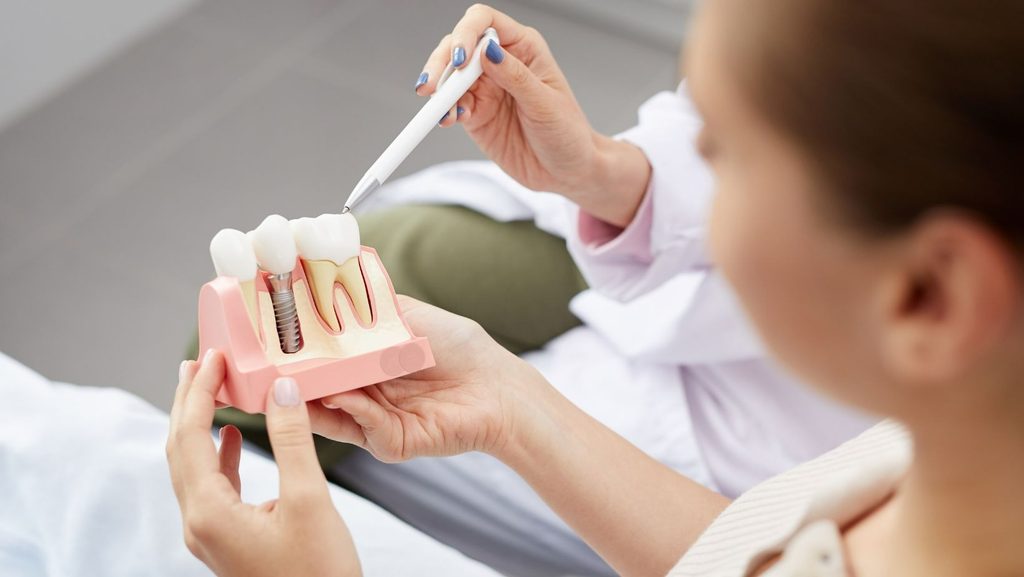
Reduced bone density around the teeth can affect how well the jaw supports dental implants or responds to periodontal treatment. Patients considering implants or already managing bone loss should mention their hormone regimen before treatment planning begins, since it may influence healing timelines and implant success rates.
Oral Tissue Changes Linked to Estrogen and Testosterone
Soft tissue inside the mouth responds directly to circulating hormone levels. Estrogen receptors exist in gum tissue, and transfeminine patients sometimes notice gums that look redder or more swollen even with consistent oral hygiene.
Transmasculine patients on testosterone have reported different tissue responses, including changes in tissue thickness and healing speed after dental procedures. None of this means hormone therapy causes irreversible oral damage. It means the tissue in your mouth is responding to a hormonal shift the same way it responds anywhere else in the body, and a dentist who understands that context can tell the difference between an expected change and a sign of disease.
Clinical Planning and Preventive Dental Care
A dental team that has accurate information about your hormone therapy can plan smarter, catch problems earlier, and avoid unnecessary alarm over expected tissue changes. Preventive care built around your actual medical history works better than a generic recall schedule.
Why an Accurate Medication History Matters
Your dentist needs your full hormone therapy details to interpret what they see in your mouth correctly. That includes which hormones you take, dosage, how long you’ve been on therapy, and any anti-androgens or other medications in your regimen.
Without this information, a dentist might mistake hormone-related gum changes for poor oral hygiene, or miss a connection between a new medication and a symptom like dry mouth. Bring a current medication list to every appointment, including recent dosage adjustments.
Some patients hesitate to disclose hormone therapy out of fear of judgment. A dental practice that asks these questions as a routine part of intake, the same way it asks about blood thinners or diabetes, signals that the information will be used clinically and treated as confidential.
Tailoring Periodontal Exams and Recall Visits
Patients in the first one to two years of hormone therapy benefit from more frequent periodontal checks. Gum tissue tends to show the most noticeable changes during this window, when hormone levels are shifting most dramatically.
A three-month recall instead of the standard six-month schedule allows a hygienist to catch inflammation before it progresses to periodontitis. Once hormone levels stabilize, many patients can return to a standard recall interval, though this should be a decision made with your dental provider based on what your gum tissue shows.
Patients with a family history of periodontal disease or existing risk factors like smoking should discuss whether an even shorter interval makes sense.
Managing Xerostomia and Preventing Tooth Decay
Dry mouth management should start as soon as symptoms appear, not after cavities show up. Practical steps include:
- Sipping water throughout the day rather than in large amounts at once
- Using alcohol-free mouth rinses designed for dry mouth
- Chewing xylitol gum to stimulate saliva flow
- Applying prescription-strength fluoride toothpaste at night
- Limiting caffeine and alcohol, both of which worsen dryness
A saliva substitute product can help patients with more severe xerostomia, particularly those also managing anxiety medications that compound dry mouth as a side effect. Ask your dentist about in-office fluoride varnish treatments if you’re seeing early signs of decay.
Coordinating Care With Medical Providers
Your dentist and your endocrinologist or primary care provider should have a clear line of communication about your hormone regimen. This coordination matters most when planning invasive procedures like extractions, implants, or periodontal surgery, where bone density and healing capacity come into play.
A brief medical consultation before major dental work can confirm whether your bone density or blood clotting factors need special consideration. Patients who see multiple providers across different health systems should ask each one to request records from the others, since fragmented care is a common reason details get missed.
Creating Respectful, Patient-Centered Dental Experiences
A dental practice that gets the clinical side right still falls short if patients don’t feel safe walking through the door. Respectful communication and inclusive intake forms directly affect whether transgender patients seek preventive care at all or delay visits until a problem becomes urgent.
Using Inclusive Communication and Intake Practices
Intake forms that ask for chosen name, pronouns, and gender identity in a straightforward way set the tone before a patient sees a clinician. Staff who use a patient’s correct name and pronouns consistently, including in front-desk conversations and insurance calls, build trust quickly.
Training front-desk staff and hygienists on basic terminology reduces awkward moments that make patients feel like an inconvenience. A practice that lists its intake and privacy practices on its website before a patient books an appointment removes some of the guesswork about whether the office is a safe choice.
Reducing Barriers Caused by Dental Anxiety and Discrimination
Transgender patients report avoiding dental care at higher rates due to past discrimination, and that avoidance leads to worse outcomes over time. Delayed cleanings mean more advanced decay and gum disease by the time a patient does come in, which then requires more invasive and costly treatment.
Stress and anxiety, common among transgender patients navigating discrimination in daily life, also contribute to teeth grinding and jaw clenching. Both conditions wear down enamel and strain the jaw joint. A dentist who screens for grinding and offers a night guard addresses a problem that’s easy to overlook during a routine exam.
Practices that display visible nondiscrimination policies and train staff on cultural competence see patients return for regular checkups instead of waiting until something hurts.
Discussing Gender-Affirming Surgery and Bite Changes
Facial feminization or masculinization surgery can shift jaw alignment and bite mechanics, and your dentist should be part of that planning conversation. Procedures involving the jaw or chin sometimes change how upper and lower teeth meet, which can lead to uneven wear or jaw joint discomfort if not monitored.
Patients planning facial surgery should schedule a dental evaluation beforehand to document their existing bite as a baseline. After surgery, a follow-up exam can catch any shifts early, before they turn into a bigger orthodontic issue.
Ongoing Prevention Supports Oral Health During Hormone Therapy
Hormone therapy changes how your mouth responds to everyday wear, from saliva production to gum tissue sensitivity, but none of it is unmanageable with the right dental partnership. Consistent preventive care, an accurate medication history on file, and a dentist who treats your hormone regimen as clinically relevant information make the biggest difference in long-term outcomes.
Bring your full medication list to every visit, ask about adjusting your recall schedule during the early stages of transition, and address dry mouth symptoms as soon as they appear rather than waiting for a cavity to force the conversation. A dental practice that combines clinical attentiveness with respectful, inclusive care gives you both the safety and the accuracy your health deserves.