Table of Contents
ToggleRising progesterone and estrogen change the way your gum tissue reacts to plaque, and that shift, not a lapse in brushing, is the reason so many pregnant women notice bleeding for the first time. Somewhere between 60% and 75% of pregnant women develop some degree of pregnancy gingivitis, most commonly by the second trimester.
Pregnancy gingivitis happens because hormonal surges increase blood flow to gum tissue and amplify its inflammatory response to the same bacteria your mouth has always managed. Your gums may look redder, feel puffier, and bleed with gentle brushing even if your oral care routine hasn’t changed at all.
The condition is common and manageable with a few targeted adjustments and regular checkups at a practice like Chattanooga Dental Studio. Here’s what drives it, how to spot it early, and what keeps it from progressing into something more serious.
Why Do Gums Bleed More Easily During Pregnancy?
Bleeding gums during pregnancy come down to a combination of hormone-driven blood flow changes and an exaggerated immune reaction to plaque. Your gum tissue becomes more vascular and more reactive, so bacteria that once caused no visible irritation now trigger swelling, redness, and easy bleeding.
How Estrogen and Progesterone Alter Gum Tissue
Progesterone and estrogen can rise 10 to 30 times above normal levels by the third trimester. That surge increases blood flow to your mucous membranes, including the tissue surrounding your teeth.
More blood flow means gum tissue becomes softer, more sensitive, and prone to swelling. The tissue also becomes more permeable, which allows irritants from plaque to penetrate more easily and provoke a reaction.
Why Plaque Triggers a Stronger Inflammatory Response
Plaque itself hasn’t changed. What changes is your body’s tolerance for it.
The same bacterial film your immune system once handled without visible symptoms now produces a magnified inflammatory reaction. Gums that could previously handle a day or two of light plaque buildup will swell and bleed under the same conditions during pregnancy. This is why gingivitis can appear even when your brushing and flossing habits stay consistent.
When Symptoms Commonly Begin and Peak
Pregnancy gingivitis typically starts around the second month and intensifies through the second and third trimesters. Symptoms often peak in the third trimester, when hormone levels reach their highest point.
Some women notice mild tenderness early on that gradually worsens as pregnancy progresses. Others see little change until later, when swelling and bleeding become more noticeable during brushing or flossing.
How to Recognize and Manage Pregnancy-Related Gum Changes
Pregnancy gingivitis shows up as swelling, redness, tenderness, and bleeding, and it responds well to consistent home care paired with professional cleanings. Catching the signs early and adjusting your routine keeps mild inflammation from advancing toward more serious gum disease.
Signs of Gingivitis That Need Attention
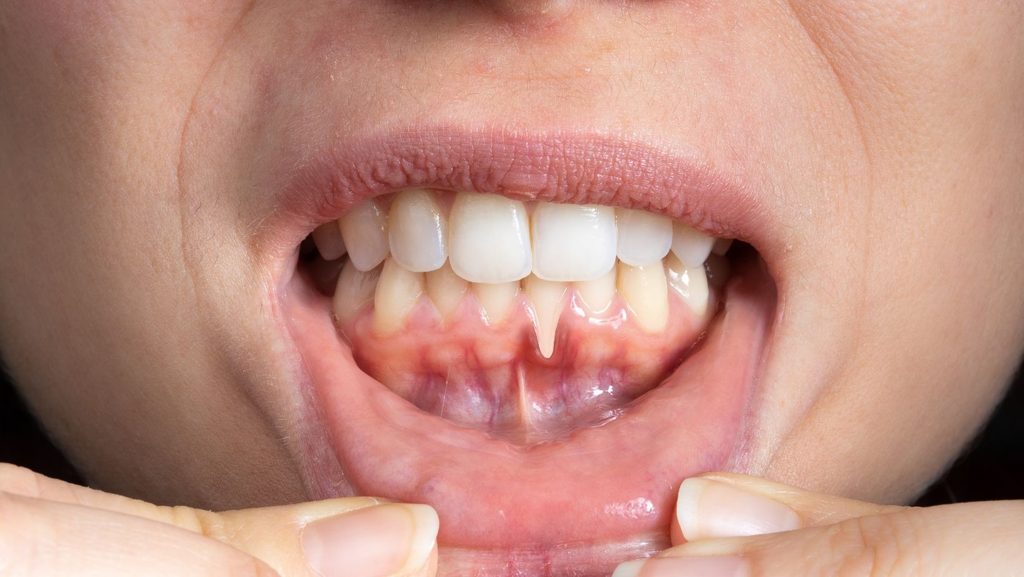
Watch for gums that look puffy or dark red instead of their usual pink, especially along the gumline. Bleeding during brushing or flossing is the most common early sign.
Tenderness, a receding gumline, or gums that feel warm to the touch also signal inflammation worth addressing. Persistent bad breath can accompany these changes too. None of these symptoms mean you’re doing something wrong; they mean your gum tissue is reacting to normal pregnancy hormones.
Daily Oral Care That Helps Reduce Bleeding
Gentle, consistent care matters more than aggressive brushing. Use a soft-bristled toothbrush and brush twice daily for two minutes, angling the bristles toward the gumline where plaque accumulates.
Flossing once a day removes plaque between teeth that brushing alone misses. If your gums bleed, keep flossing rather than skipping it; consistent removal of plaque is what calms the inflammation over time. An alcohol-free antimicrobial mouthwash can add another layer of plaque control without irritating already-sensitive tissue.
How Morning Sickness and Food Cravings Affect Oral Health
Frequent vomiting and shifting food cravings both increase your exposure to acids and sugars that feed plaque bacteria. Stomach acid from morning sickness can erode enamel and irritate gum tissue, so rinsing with water or a fluoride mouthwash afterward helps neutralize the acid before it does damage.
Craving sweeter or more frequent snacks is common during pregnancy. Rinsing your mouth with water after eating and waiting about 30 minutes before brushing (to avoid brushing softened enamel) helps limit the impact on your gums and teeth.
When to See a Dentist During Pregnancy
See a dentist as soon as you notice persistent bleeding, swelling, or gum tenderness, and plan on a routine cleaning during your second trimester if possible. Dental cleanings and most routine procedures are safe throughout pregnancy, and treating gingivitis early prevents it from progressing into periodontitis, a more severe form of gum disease linked to broader health risks.
Tell your dentist you’re pregnant and how far along you are, since this shapes decisions around X-rays, medications, and scheduling. Waiting until after delivery to address bleeding gums allows inflammation to build unnecessarily.
Protecting Your Gums Throughout Pregnancy
Consistent oral hygiene, a dental checkup during pregnancy, and quick attention to new symptoms are what keep pregnancy gingivitis from progressing. Brushing twice daily with a soft-bristled brush, flossing every day, and rinsing after vomiting or sugary snacks address the daily plaque buildup that hormones make your gums more reactive to.
Scheduling a cleaning, ideally in the second trimester, gives your dentist a chance to remove plaque and tartar you can’t reach at home and catch early warning signs before they progress. Gum changes during pregnancy are common, and they respond well to attentive, gentle care applied consistently across all three trimesters.