Table of Contents
ToggleA tooth that already had a root canal is not supposed to hurt again. When it does, the most common fix is root canal retreatment: an endodontist reopens the tooth, removes the old filling material, cleans out the reinfected canal space, and reseals it.
Retreatment succeeds in the majority of cases and lets you keep your natural tooth, though an apicoectomy or extraction becomes the better path when the root structure or the canal anatomy no longer supports a second attempt.
Failed root canals happen for identifiable reasons: missed canal branches, new decay, a cracked crown, or a restoration that let bacteria back in. Knowing which one applies to your tooth, with help from a dental team like Laurel Dentist, shapes whether retreatment, surgery, or extraction makes sense.
Why a Treated Tooth Can Become Infected Again
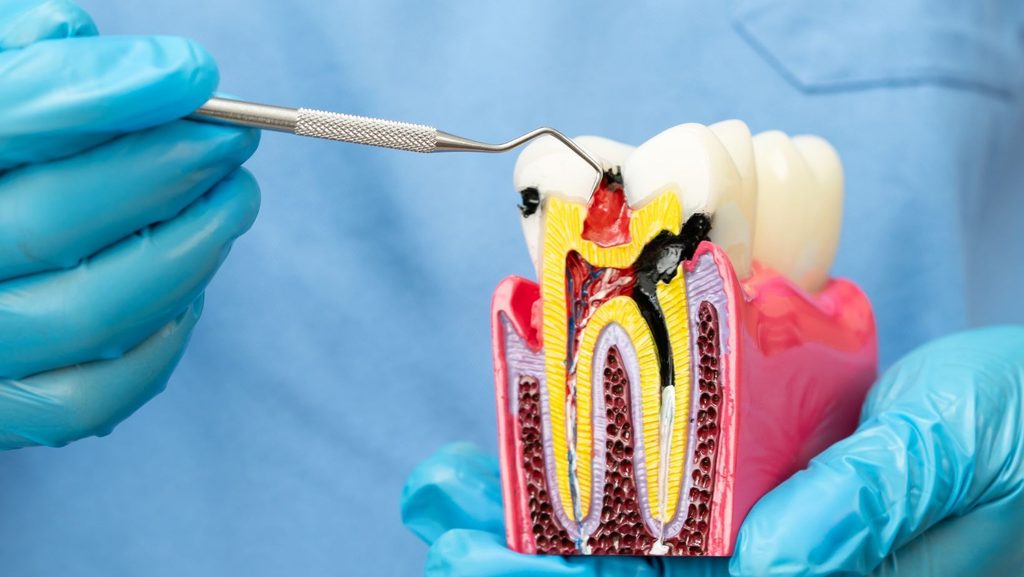
A root-canal-treated tooth has no living pulp, so it cannot mount its own immune response against new bacteria. Once microbes find a way back in, they multiply quietly until they cause pain, swelling, or a visible dark spot on an X-ray.
Incomplete Healing and Hidden Canal Anatomy
Some tooth roots contain extra canals or curved branches that are difficult to detect during the original procedure. If one of these hidden passages is left untreated, bacteria can persist inside it and cause infection to resurface, sometimes years after the original treatment felt completely successful.
New Decay, Leaking Restorations, and Tooth Cracks
A new cavity can form around or beneath an old crown, giving bacteria a fresh entry point into the tooth. A crown or filling that no longer seals tightly against the tooth structure allows saliva and bacteria to seep down toward the root. Cracks in the tooth itself, sometimes too small to see without magnification, create another pathway for reinfection.
Symptoms and X-Ray Findings That Signal a Problem
Watch for a lingering toothache, sensitivity to hot or cold, swelling in the gum near the treated tooth, or a small bump that resembles a pimple. On an X-ray, your dentist looks for a dark area at the root tip, which indicates ongoing inflammation or infection in the surrounding bone. Some teeth show no symptoms at all until a routine X-ray catches the problem, which is one reason regular checkups matter for any tooth that has already had endodontic work.
How Does Root Canal Retreatment Work?
Root canal retreatment reopens the tooth, clears out the material from the first procedure, disinfects the canal system again, and seals the tooth with fresh filling material. The process typically spans one or two appointments, depending on how complex the canal anatomy turns out to be and whether the tooth has a crown that needs to be worked through or removed.
Examining the Tooth and Confirming Candidacy
Your endodontist starts with a clinical exam and imaging, often including a 3D cone-beam scan, to map the canal system and look for cracks, resorption, or bone loss around the root. This step determines whether the tooth has enough healthy structure left to justify another attempt, or whether an alternative treatment would serve you better.
Removing Old Filling Material and Disinfecting the Canals
The endodontist reopens the tooth, either through the existing crown or by making a new access point, and removes the old root canal filling material. Specialized instruments and irrigating solutions clean out bacteria and debris from the canal walls, including any branches or curves that were missed the first time. Magnification tools help locate canals that standard equipment might overlook.
Resealing and Restoring the Tooth
Once the canals are clean and dry, the endodontist fills them with new material and seals the access opening. Your general dentist then places a new crown or restoration to protect the tooth from fracture and reinfection. Getting that permanent restoration placed promptly matters, since a delay leaves the tooth vulnerable to bacteria again.
What Are the Alternatives to Retreatment?
Apicoectomy and extraction are the two main alternatives when retreatment is not the right fit, and the choice between them depends on where the infection sits and how much healthy tooth structure remains. Both options carry different recovery timelines, success rates, and long-term costs worth weighing before you decide.
When Apicoectomy May Be Recommended
An apicoectomy is a minor surgical procedure that removes the very tip of the tooth root along with the infected tissue around it, then seals the root end from the bottom. Endodontists recommend this route when the infection is confined to the root tip, when a canal is blocked by a post or calcification that blocks a second nonsurgical attempt, or when retreatment already failed once before. It preserves the crown and the visible tooth structure while addressing infection surgically from below.
When Extraction Is the Better Choice
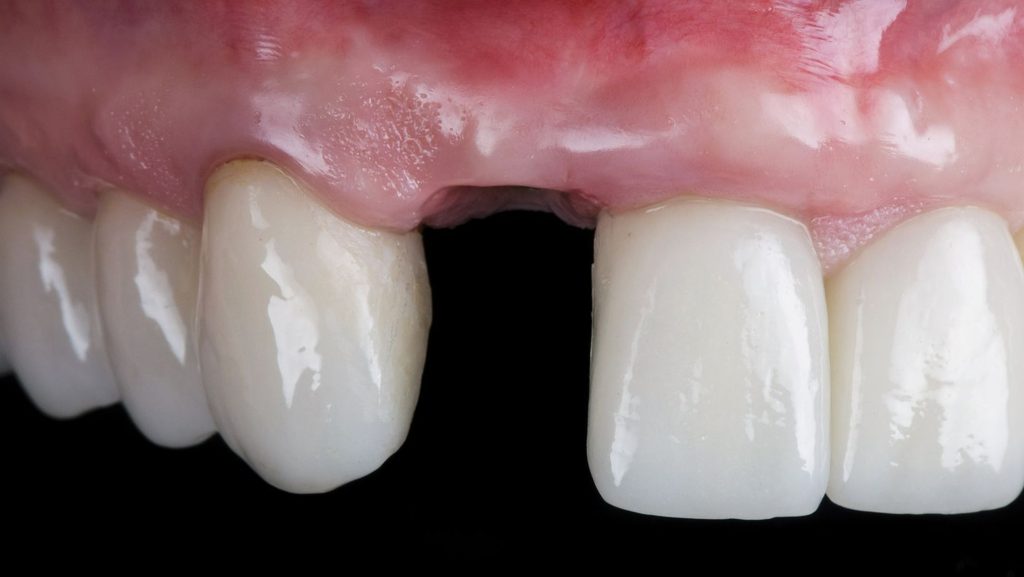
Extraction becomes the more sensible option when the tooth has a vertical crack extending into the root, extensive bone loss around it, or so little remaining structure that no restoration could support it long term. Once a tooth is removed, you would typically replace it with an implant, bridge, or partial denture to restore chewing function and prevent neighboring teeth from shifting.
Recovery, Prognosis, and Cost Considerations
Retreatment recovery generally involves mild soreness for a few days, similar to the original procedure. Apicoectomy recovery takes a bit longer, often a week or so, since it involves a small incision in the gum. Extraction followed by an implant is the most drawn-out path, frequently stretching across several months once healing and restoration are factored in.
| Factor | Retreatment | Apicoectomy | Extraction + Implant |
| Invasiveness | Nonsurgical | Minor surgery | Surgical removal |
| Typical recovery | Few days | About a week | Several months (staged) |
| Saves natural tooth | Yes | Yes | No |
| Relative cost | Moderate | Moderate to higher | Highest (with implant) |
| Best suited for | Missed canals, new decay, leaking seal | Root-tip infection, blocked canal | Cracked root, severe bone loss |
Cost varies by region and by which tooth is involved, since molars with multiple canals cost more to treat than front teeth. Ask your endodontist for a written estimate that accounts for the follow-up crown or implant restoration, since that final piece often carries a significant part of the total cost.
Saving a Natural Tooth When It Is Still Possible
Retreatment remains the first option worth exploring whenever a previously treated tooth shows signs of reinfection, since it addresses the problem directly and keeps your natural tooth in place. Success rates for retreatment are strong when the tooth’s structure is sound and the infection is caught before it causes major bone loss.
Acting on symptoms early, whether that’s lingering sensitivity, swelling, or a spot flagged on a routine X-ray, gives your endodontist more options and a better shot at preserving the tooth. Waiting allows infection to spread further into the surrounding bone, which can shift the recommendation toward apicoectomy or extraction. A conversation with an endodontist, backed by current imaging, is the clearest way to find out which path fits your specific tooth.