Table of Contents
ToggleSame-day crowns are milled from a solid block of ceramic while you wait, which means your dentist can check the fit and make corrections before you ever leave the chair. If a same-day crown feels too high, too tight, or slightly off, your dentist can adjust it on the spot by reshaping the ceramic with fine diamond tools, checking your bite, and polishing the surface, all within the same appointment. This is one of the main practical advantages of the technology over a lab-made crown that arrives days or weeks later.
That doesn’t mean every crown is perfect on the first try. Minor high spots and bite discrepancies are common enough that most dentists expect to make at least small tweaks before cementing.
If you’re getting same day crowns in Raleigh, NC, knowing what counts as a normal adjustment, what signals a bigger problem, and what happens if something feels wrong after you’ve already left the office can save you an unnecessary trip back, or prompt you to make one when it’s actually needed.
How Same-Day Crown Adjustments Work
Same-day crowns come out of the milling unit slightly oversized on purpose, giving your dentist room to fine-tune the shape before it’s permanently placed. The adjustment process happens in stages: checking the crown against your natural bite, identifying contact points, and shaving down ceramic in small increments until the fit feels right.
What Dentists Check Before Cementing the Crown
Before permanent cementation, your dentist verifies three things: how the crown seats on the prepared tooth, how it contacts neighboring teeth, and how your bite comes together when you close your mouth. A digital scan and design process makes major fit problems uncommon, but the physical try-in still matters. Your dentist typically has you bite on marking paper (often colored red or blue) to spot exactly where the crown contacts too hard or too early. Margins, the edges where the crown meets your natural tooth, get checked closely too, since a poorly seated margin can trap bacteria or feel rough to your tongue.
Which Fit and Bite Issues Can Be Corrected Immediately
Most everyday fit problems can be resolved chairside. This includes:
- High spots that make the crown feel taller than surrounding teeth
- Tight contacts between the crown and adjacent teeth
- Uneven pressure when biting down
- Rough edges or sharp corners on the ceramic surface
Your dentist grinds away small amounts of ceramic using diamond burs, then re-checks the bite. This cycle repeats until the fit feels natural. For harder materials like zirconia, adjustments require fine-grit diamond burs and water cooling to avoid overheating the material or your tooth.
When a Same-Day Crown Needs to Be Remade Instead
A crown gets remade rather than adjusted when the problem goes beyond the ceramic surface. If the shade doesn’t match, the shape doesn’t suit your tooth anatomy, or the fit is off enough that grinding would compromise the crown’s strength, your dentist mills a new one from the same digital scan. Because the design file already exists, remaking a same-day crown still happens within the same visit in most cases, without needing new impressions.
What to Expect During an On-the-Spot Adjustment
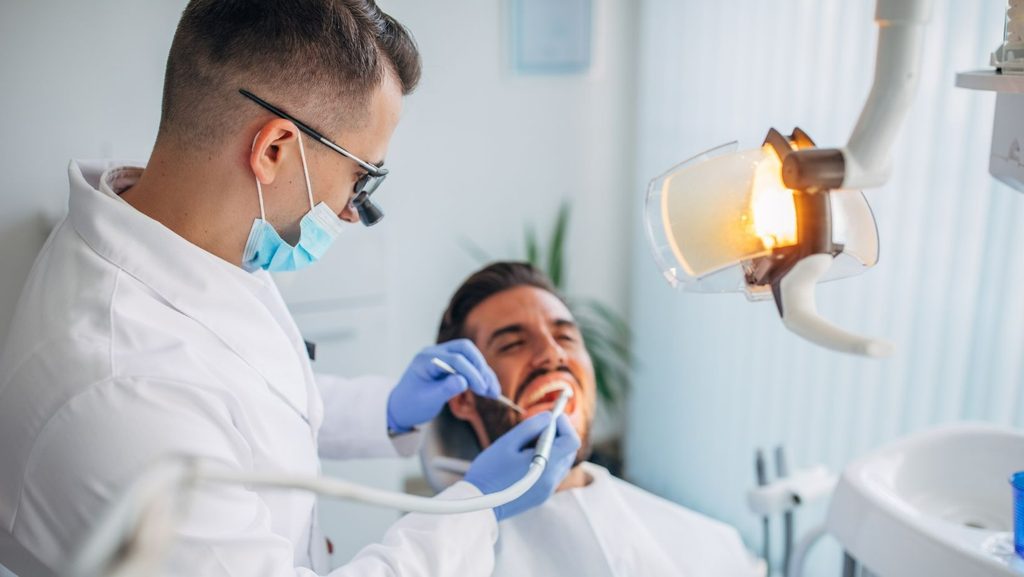
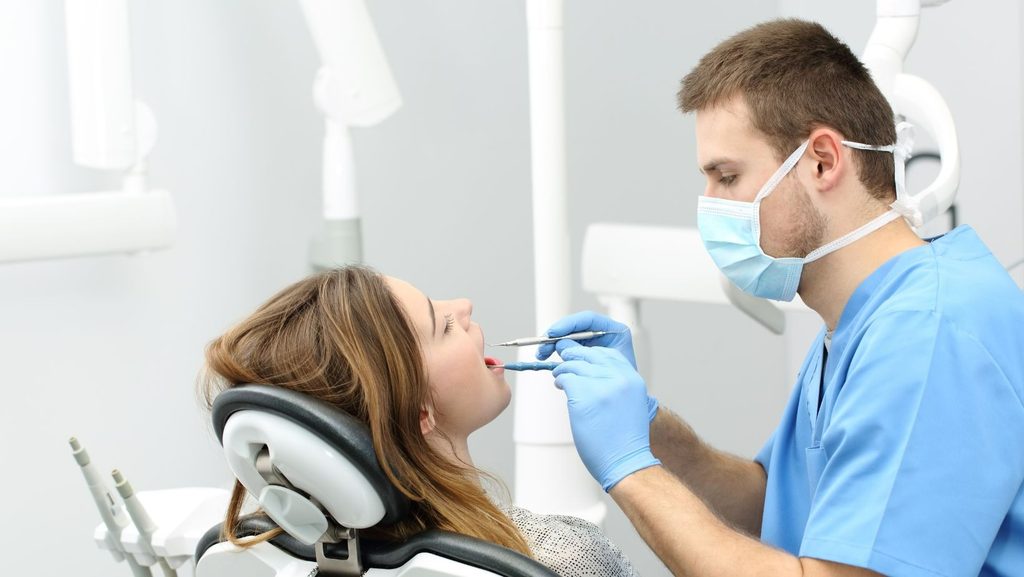
An on-the-spot adjustment is a short, hands-on process where your dentist identifies exactly where the crown needs reshaping and corrects it in small, controlled increments. You stay in the chair through the entire process, and most patients feel only mild pressure or vibration, not pain, since the adjustment happens on the crown itself rather than your tooth.
Checking High Spots and Bite Alignment
Your dentist uses articulating paper (thin colored film) to mark where your teeth make contact when you bite down. Dark or heavy marks on the crown indicate spots hitting too hard. You’ll be asked to bite normally, then side to side, since a crown can feel fine straight on but still interfere with lateral jaw movement. This step gets repeated after each round of adjustment.
Reshaping, Smoothing, and Polishing the Ceramic
Once high spots are identified, your dentist removes small amounts of ceramic with a diamond bur under water spray to prevent overheating. After reshaping, the crown gets smoothed and re-polished to restore a glassy finish, since a rough or dull surface can attract plaque and feel uncomfortable against your tongue and cheek. Polishing matters as much as the reshaping itself for long-term comfort.
How Long Adjustments Usually Take
Most chairside adjustments add 10 to 20 minutes to your appointment. Simple bite corrections can take less than five minutes, while a crown needing multiple rounds of grinding and polishing takes longer. This is still faster than the process for a traditional lab crown, which would require a separate follow-up visit for any bite correction.
When to Contact Your Dentist After the Appointment
Contact your dentist if discomfort from your new crown persists beyond a few days or worsens instead of improving. Some sensitivity right after the appointment is normal, but ongoing pain, a bite that still feels wrong, or visible damage are signs that warrant a call.
Normal Adjustment Sensations vs. Signs of a Problem
Mild sensitivity to hot or cold, slight tenderness when chewing, and a brief adjustment period as your bite settles are typical after a crown is placed. These usually fade within a few days. Contact your dentist if you notice:
- Sharp pain when biting down that doesn’t improve
- A crown that feels distinctly higher than surrounding teeth after a day or two
- Persistent gum irritation or swelling near the crown
- A visible gap, rocking sensation, or looseness
A crown bite that still feels off after one adjustment doesn’t mean something went wrong at your appointment. Second adjustments are common, since your bite can feel different once numbness wears off completely.
Can a Cemented Same-Day Crown Still Be Adjusted?
A cemented crown can still be adjusted, even after permanent placement. Your dentist grinds away small amounts of porcelain or ceramic with a diamond bur, following the same bite-check process used before cementation. What changes is that the crown can no longer be removed and re-milled easily, so adjustments happen through polishing and shaping the existing crown rather than making a new one. A high bite left uncorrected can cause jaw discomfort, tooth sensitivity, or strain on surrounding teeth, so it’s worth having it checked promptly rather than waiting to see if it resolves on its own.
Why You Should Not Try to Adjust a Crown at Home
Home adjustments risk permanent damage to the crown and your tooth. Filing down ceramic yourself can create rough edges, weaken the crown’s structure, or throw off your bite in ways that are harder to correct later. If a crown feels wrong, call your dentist rather than reaching for a nail file or sandpaper. If a crown falls off entirely, save it, avoid chewing on that side, and contact your dentist. Do not attempt to re-cement it with household adhesive.
A Precise Fit Supports a Comfortable, Lasting Crown
A same-day crown’s biggest advantage is the ability to fix fit issues before you leave the chair, sparing you a second appointment and days of discomfort. Most bite and contact problems get resolved through simple chairside grinding and polishing, guided by bite marking paper and careful rechecking.
Occasionally a crown needs to be remade rather than adjusted, and that’s a normal part of the process rather than a sign of error. Once cemented, a crown can still be reshaped if needed, though catching fit issues early makes for a smoother, more predictable outcome.
Paying attention to how your bite feels in the days after your appointment, and speaking up if something seems off, helps ensure your crown settles comfortably for the long term.