Table of Contents
ToggleA dental bridge relies entirely on the health of the teeth anchoring it in place, and when one of those anchor teeth fails years after the bridge was placed, the bridge itself is compromised. In most cases, a failed anchor tooth means the entire bridge has to come out, because the remaining structure no longer has stable support on both sides of the gap. This can happen five, ten, or even fifteen years after the original work, often triggered by decay that formed quietly underneath the crown.
The good news is that a failed abutment tooth doesn’t have to mean starting from scratch with limited choices. Depending on how much of the tooth remains and the condition of the bone underneath it, your dentist may be able to save the tooth, rebuild the bridge, or move you toward an implant-supported solution that outlasts the original setup.
Whether you already have a bridge or are exploring dental crowns and bridges in White House, TN, knowing what triggers this failure and what your realistic options are can save you from a dental emergency turning into a rushed decision.
When an Anchor Tooth Fails, Can the Bridge Be Saved?
Whether a bridge can be saved comes down to how much healthy tooth structure and bone remain around the failing abutment. A cracked root or advanced bone loss usually rules out simple repair, while early decay caught before it reaches the nerve sometimes allows the existing bridge to stay in place.
How Dentists Assess Decay, Fractures, Bone Loss, and Gum Disease
Your dentist will start with X-rays to see what’s happening beneath the crown, since decay under a bridge is invisible to the eye until it’s advanced. They’re checking for four specific problems: cavities forming at the margin where the crown meets the tooth, hairline fractures in the root, bone loss around the tooth from years of extra chewing load, and gum recession that exposes the root surface.
Each of these tells a different story. A small cavity might mean a root canal and a new crown. A vertical root fracture usually means extraction, because a cracked root can’t support a crown no matter how it’s treated.
Bone loss is measured against a threshold. If too much support has disappeared, the tooth may be structurally present but functionally unable to carry a bridge.
Why a Single Compromised Abutment Can Affect the Entire Restoration
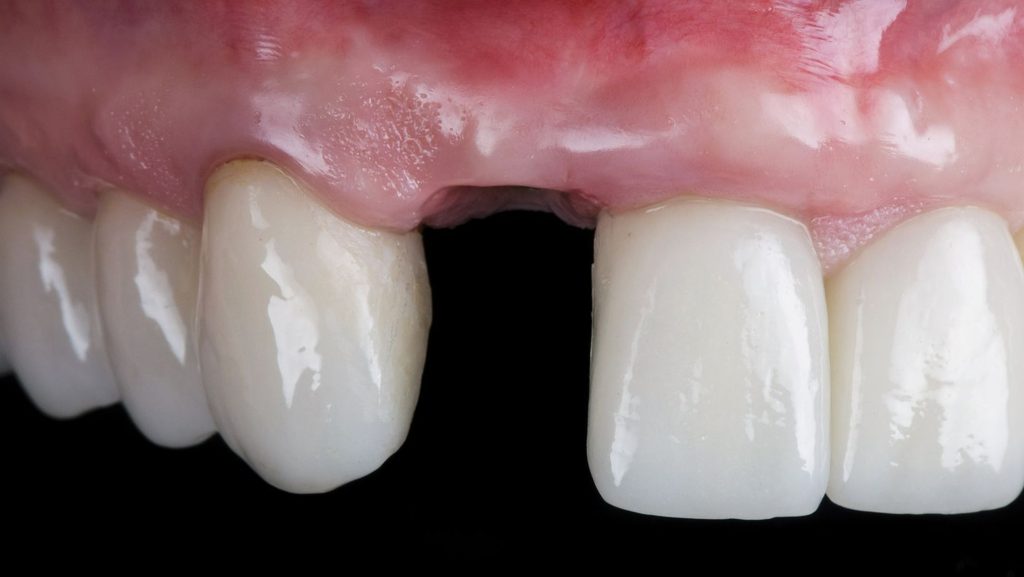
A bridge is one connected unit, so damage to a single anchor doesn’t stay isolated. The bridge is fused as one piece of dental work, spanning from one abutment crown to the other with the false tooth (or teeth) suspended between them.
When one anchor fails, there’s no way to detach just that segment and leave the rest intact. The whole structure typically needs to come off so the dentist can address the problem underneath, even if the opposite anchor tooth is perfectly healthy.
That’s part of why dentists watch abutment teeth closely at every checkup. One weak link puts years of otherwise solid restorative work at risk.
What Treatment Options Are Available?
Your options after an anchor tooth fails range from saving the natural tooth to upgrading to an implant, and the right path depends on how much of the tooth and surrounding bone are still viable. Cost, timeline, and long-term durability vary significantly between these approaches.
Treating and Retaining the Supporting Tooth
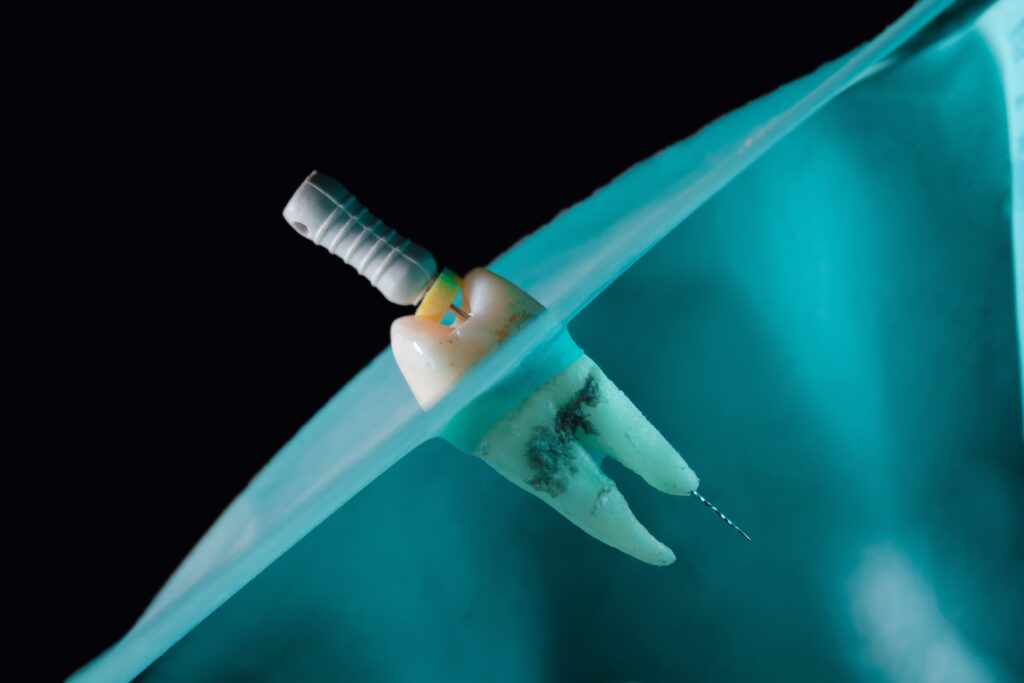
Saving the natural abutment is the fastest and often least expensive fix when the damage is limited to the tooth’s crown or a section of the root. A root canal treats infection or decay that has reached the nerve, after which the tooth is sealed and can go back to supporting the same bridge or a rebuilt one.
This works best when the tooth has enough remaining structure to hold a new crown securely. If gum disease is present, treating it first is necessary before any bridge work goes back in, since inflamed tissue won’t hold a restoration reliably.
Replacing the Existing Bridge
A new bridge becomes necessary when the old one is too worn, ill-fitting, or built around a tooth that’s been treated and needs a fresh crown. This keeps the original tooth-supported design rather than switching to an implant.
Replacement means new impressions, a new custom restoration, and typically two or more appointments while the lab fabricates the piece. It’s a reasonable choice when both abutment teeth are otherwise healthy and just need updated crowns.
Using an Implant to Replace a Lost Anchor Tooth
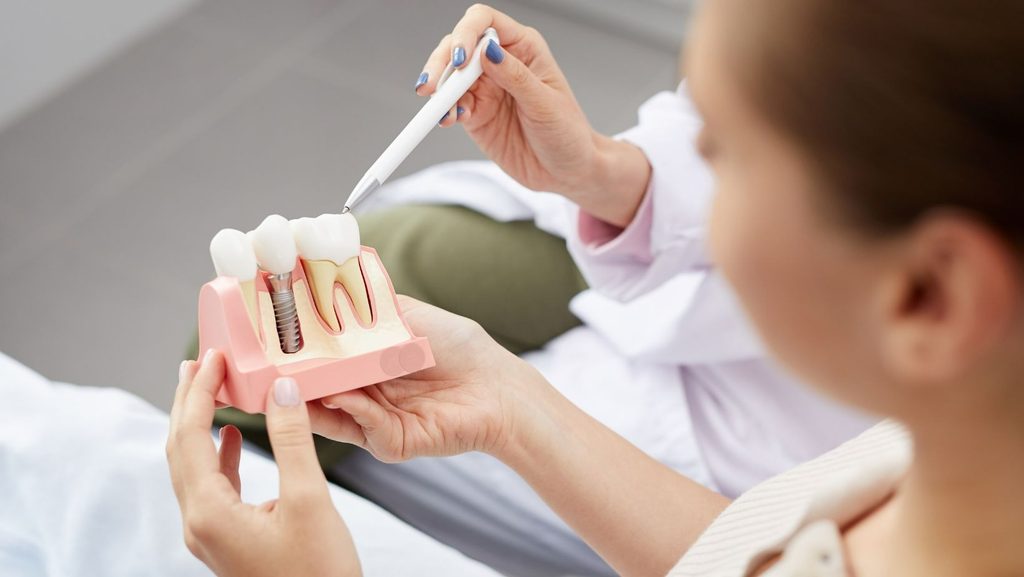
An implant is the strongest replacement for a failed anchor tooth that can’t be saved, because it replaces the missing root directly instead of asking a neighboring tooth to carry extra load. Once an abutment tooth needs extraction, a titanium implant post can be placed in the jawbone and topped with a crown, either standing alone or anchoring a smaller bridge.
This approach avoids grinding down additional healthy teeth just to create new anchor points. It also stops the bone loss that naturally follows tooth extraction, since the implant post preserves bone density in a way a missing tooth cannot.
When Another Tooth-Replacement Approach Makes Sense
A removable partial denture or an implant-supported bridge spanning multiple teeth makes sense when several teeth in the same area need replacement, not just the one failed anchor. If bone volume is too low for an implant without grafting, your dentist may recommend a traditional tooth-supported bridge using different neighboring teeth as anchors instead.
| Option | Best For | Anchor Teeth Involved | Typical Longevity |
| Root canal + retained tooth | Localized decay, structurally sound root | Same original tooth | 10-15 years with the new crown |
| New traditional bridge | Both abutments still healthy | Two natural teeth | 10-15 years |
| Single implant | One failed abutment needing extraction | None; implant post only | 20+ years, often permanent |
| Implant-supported bridge | Multiple missing/failing teeth in one area | None; implant posts | 20+ years |
Warning Signs and Steps to Take Now
Catching a failing anchor tooth early gives you more treatment options and lower costs, while waiting until the bridge falls out limits you to emergency repair. Pay attention to changes around the bridge, not just pain, since decay under a crown often develops without obvious discomfort until it’s advanced.
Symptoms That Need a Prompt Dental Appointment
Sensitivity to hot or cold near the bridge, a lingering bad taste, gum swelling, or a dull ache when chewing are early signals worth acting on. These often point to decay or infection forming under one of the crowns before you’d notice any visible damage.
A throbbing pain or visible pus around the gumline signals an active infection that needs same-week attention. Waiting on these symptoms risks the infection spreading to the bone and reducing your options for saving the tooth.
What to Do if the Bridge Feels Loose or Falls Out
Call your dentist right away and keep the bridge if it comes out completely, since it sometimes can be recemented if the underlying tooth is still sound. Avoid chewing on that side of your mouth in the meantime.
Don’t attempt to glue it back in yourself with over-the-counter adhesive. That can trap bacteria against the tooth and make the eventual repair more complicated.
How Daily Care Helps Protect Remaining Support Teeth
Cleaning under and around the bridge daily is the single most effective habit for preventing anchor tooth failure. A floss threader, superfloss, or a water flosser reaches the space beneath the pontic where a regular string can’t go, and that’s exactly where trapped food and bacteria cause the most damage.
Twice-yearly dental visits let your dentist catch early decay at the crown margins with X-rays, long before you’d feel any symptoms.
Preserving Healthy Teeth Gives You the Most Options
A failed anchor tooth years after your bridge was placed almost always means removing and addressing the whole restoration, but the specific path forward depends on how early the problem is caught. Root canals and new crowns can save a tooth with limited damage, while extraction and an implant offer a durable long-term fix when the tooth can’t be salvaged.
Regular checkups, daily cleaning under the bridge, and quick action at the first sign of looseness or sensitivity are what keep a small problem from becoming a full replacement. The sooner a failing abutment is identified, the more of these choices stay open to you.