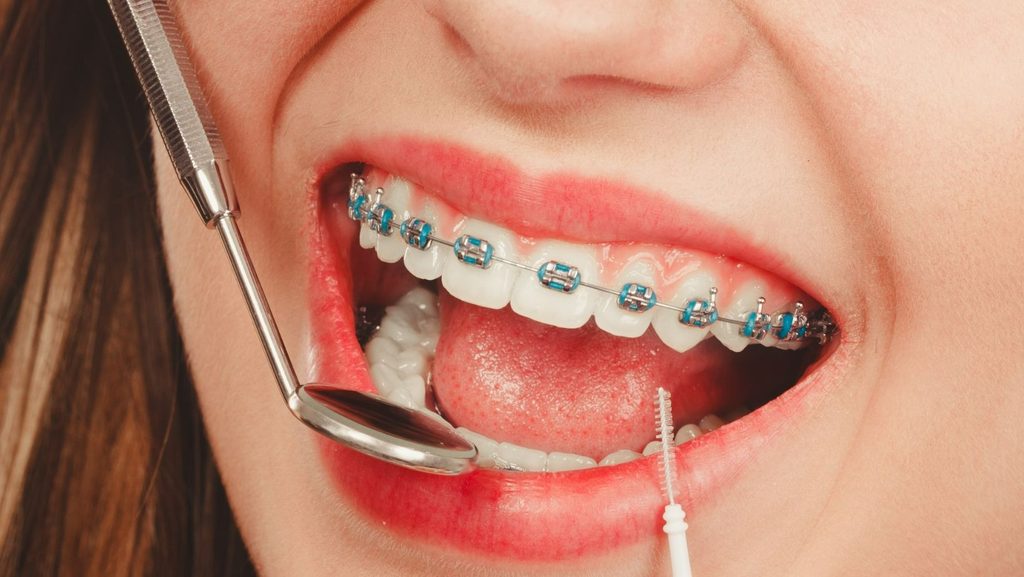
Adults considering orthodontic treatment usually have one question that outweighs all the others: how will this look while it’s happening? Straightening your teeth as a working professional or parent comes with a different set of concerns than it does at age 14. You’re weighing conference calls, wedding photos, and first dates against the reality of wearing hardware in your mouth for months or years.
Invisalign aligners sit closer to invisible in everyday interactions, while traditional braces remain visible but offer more predictable control over complex tooth movement. Neither answer settles the debate on its own, since the right pick depends on how crowded or misaligned your teeth are, how much visibility you’re willing to tolerate, and what your budget allows.
For anyone exploring cosmetic dentistry in Wilmington, NC, this comparison breaks down the cosmetic side of that decision, from how each option looks across different settings to how they affect your smile once treatment wraps up.
Which Option Creates a More Discreet Look?
Invisalign aligners are far less noticeable than metal braces in almost every setting, though “invisible” oversells it once attachments and wear time enter the picture. Traditional braces have narrowed the visibility gap with ceramic and lingual versions, but metal brackets remain the most visible choice on the market.
Visibility in Professional and Social Settings
Clear aligners hold up well under office lighting and in close conversation. Most people won’t spot them unless they’re looking directly at your teeth from a few inches away.
Metal braces are noticeable from across a room, which matters for adults in client-facing roles or frequent public speaking situations. Ceramic braces close some of that gap, but the wires and brackets still catch light.
Clear Aligners, Attachments, and Their Real-World Appearance
Invisalign trays are made of clear plastic, but many cases require small tooth-colored attachments (sometimes called buttons) bonded to specific teeth to help the aligners grip and apply force. These attachments create subtle bumps visible on close inspection.
Aligners also pick up slight discoloration over each one to two week wear cycle, particularly with coffee or red wine consumption. Swapping to a fresh tray keeps the tint minimal, but the “invisible” look degrades a bit by the end of each cycle.
Metal, Ceramic, and Lingual Braces Compared
Metal braces use stainless steel brackets and wires, the most visible option and generally the least expensive fixed appliance. Ceramic braces use tooth-colored or clear brackets that blend into enamel better, though the wire still stands out against the material.
Lingual braces attach to the back of the teeth, making them invisible from the front. They come with a higher price tag and a longer adjustment period for speech and comfort.
| Feature | Invisalign | Metal Braces | Ceramic Braces | Lingual Braces |
| Visibility | Very low | High | Moderate | Very low |
| Removable | Yes | No | No | No |
| Attachments needed | Often | No | No | No |
| Relative cost | $$-$$$ | $ | $$ | $$$$ |
How Do They Affect Your Smile During and After Treatment?
Both options can produce comparable final results for mild-to-moderate cases, but traditional braces generally handle complex tooth movement and bite correction more reliably. The cosmetic outcome depends less on which appliance you choose and more on how well the treatment plan matches your specific misalignment.
Treatment Control for Crowding, Gaps, and Tooth Position
Traditional braces apply continuous force through wires and brackets, giving orthodontists precise control over rotation, extrusion, and vertical tooth movement. This makes them the stronger choice for severe crowding, large gaps, or teeth that need significant repositioning.
Invisalign performs well with mild-to-moderate crowding and spacing. Complex rotations, especially on teeth with rounded shapes like canines, remain a persistent challenge for aligner-based systems.
Bite Correction and Its Role in Facial Aesthetics
Correcting an overbite, underbite, or crossbite changes more than tooth alignment; it affects jaw position and lower facial profile. Traditional braces, sometimes paired with rubber bands or other appliances, address moderate-to-severe bite issues with more consistency.
Invisalign has expanded its capability for bite correction with features like precision cuts and mandibular advancement attachments. Severe bite discrepancies still tend to respond better to fixed appliances.
Why Consistent Aligner Wear Matters for Cosmetic Results
Invisalign trays need 20 to 22 hours of daily wear to stay on schedule. Falling short on wear time delays tooth movement and can leave the current tray fitting loosely, which stalls progress toward the planned final result.
Traditional braces work around the clock regardless of the patient’s daily habits, since they’re bonded to the teeth. This gives braces an edge for adults who know they won’t reliably keep aligners in during meals, meetings, or social events.
What Cosmetic Trade-Offs Matter in Daily Life?
Invisalign removes the food restrictions and brushing complications that come with fixed brackets, but it introduces its own discipline around wear time and tray care. Traditional braces demand more attention to hygiene and diet but stay in place without daily decision-making.
Eating, Photos, and Special Occasions
Aligners come out for meals, so there’s no risk of food staining or catching between wires before a dinner or presentation. For photos, aligners can be removed for the shot itself, which appeals to adults with weddings, headshots, or events on the calendar during treatment.
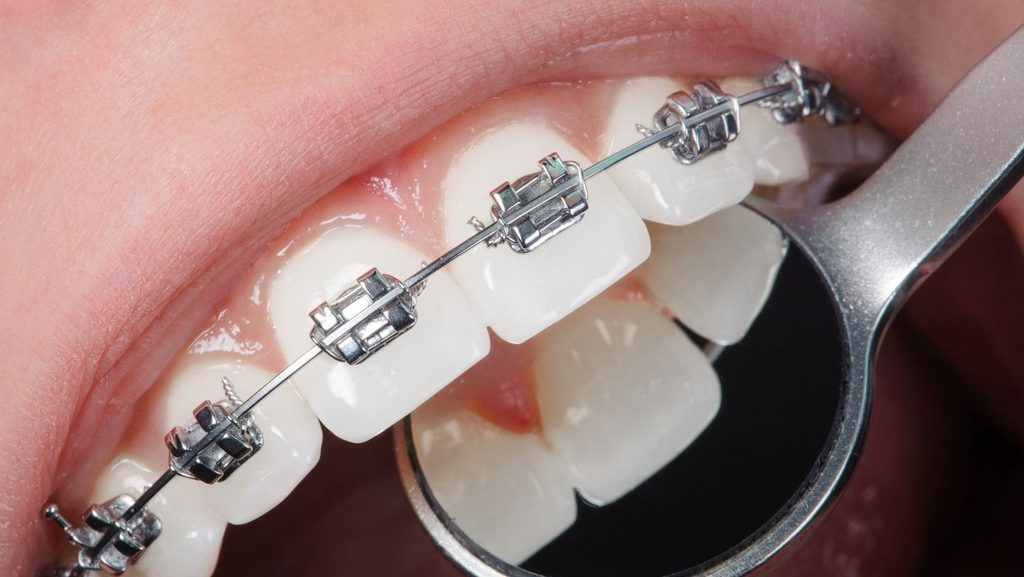
Braces stay on through every meal and every photo. Adults who choose braces often adjust their diet to avoid staining foods and hard or sticky items that risk breaking a bracket.
Oral Hygiene, Staining, and Visible Plaque
Aligners allow normal brushing and flossing since they come out completely, which helps prevent the white spot lesions and visible plaque buildup that can form around brackets. Braces trap food particles around brackets and under wires, making thorough cleaning harder and increasing the risk of visible staining around each bracket once they come off.
Adults with braces benefit from interdental brushes and water flossers to manage the areas standard brushing misses.
Cost Considerations for Appearance-Focused Adult Treatment
Invisalign typically costs between $3,000 and $8,000, while traditional metal braces run $3,000 to $7,000, putting the two close enough that cost rarely decides the choice on its own. Ceramic and lingual braces cost more than either standard option, with lingual braces often reaching $8,000 to $10,000 for the added discretion.
Many dental insurance plans cover a portion of either treatment, and financing plans through orthodontic offices spread payments over the treatment period. Getting a quote from a local orthodontist gives a more accurate number than any general price range.
Choosing the Orthodontic Option That Fits Your Smile Goals
Invisalign suits adults who prioritize a low-visibility appearance and have mild-to-moderate alignment issues. Traditional braces suit cases involving significant crowding, bite correction, or a need for guaranteed daily wear without relying on personal discipline.
A consultation with an orthodontist remains the most reliable way to match your specific bite and alignment needs to the right appliance. Bring your cosmetic priorities into that conversation, since visibility, lifestyle habits, and budget all factor into a recommendation that fits your daily life.