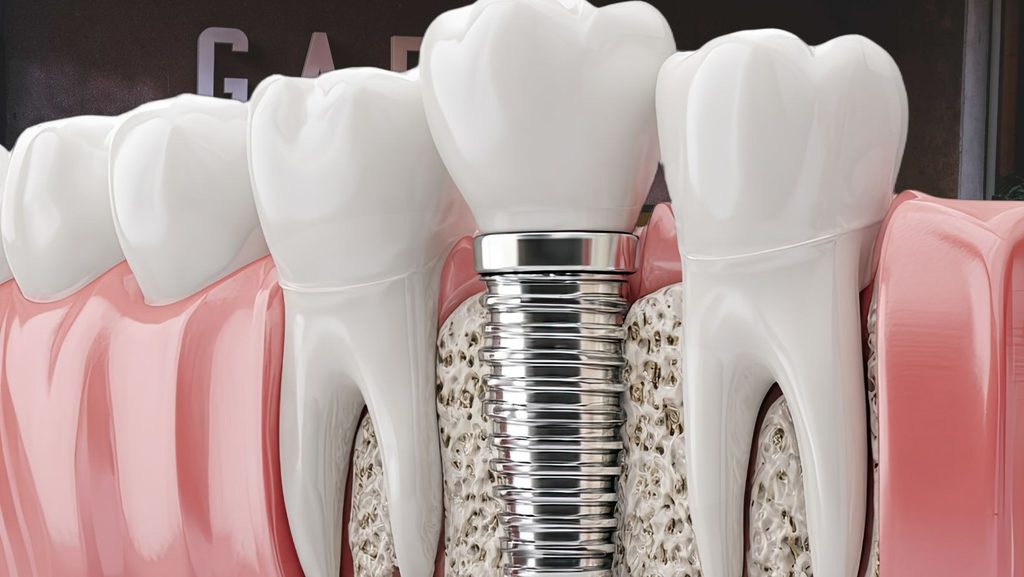
Getting dental implants in Evansville, IN is only the beginning of the process. Most patients leave their final restoration appointment assuming the work is done, only to discover months or years later that ongoing care was expected all along. The maintenance visits no one mentions after getting implants locally often make the difference between an implant that lasts decades and one that fails within a few years.
Local implant offices rarely walk patients through the full maintenance schedule during the excitement of getting a new smile. Recall appointments, home care routines, and warning signs tend to get mentioned in passing, if at all.
Implants cannot decay the way natural teeth do, but the gum and bone tissue supporting them can still break down without regular monitoring. Knowing what these visits involve, how often to schedule them, and what happens if you skip them puts you in a far stronger position to protect your investment.
What Implant Maintenance Visits Protect Against
Implant maintenance visits exist to catch tissue breakdown around the implant before it threatens the bone holding it in place. Implants themselves are immune to cavities, but the gum and bone tissue surrounding them face risks that natural teeth do not encounter in the same way.
Why Implants Need Care Even Though They Cannot Decay
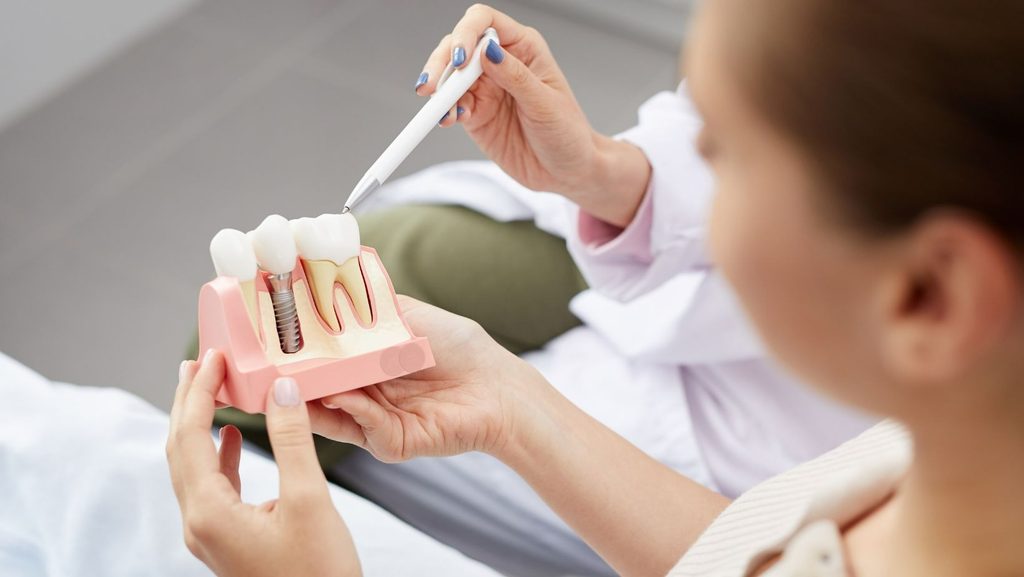
Titanium and zirconia implant posts cannot develop cavities, but plaque and bacteria still accumulate on and around them. That buildup irritates the surrounding gum tissue in the same way it affects natural teeth. Without professional removal, that irritation progresses into something far more serious than a cosmetic concern.
How Peri-Implant Mucositis Can Progress to Bone Loss
Peri-implant mucositis starts as inflammation in the soft tissue around an implant, similar to gingivitis around a natural tooth. Left untreated, it can advance into peri-implantitis, a condition where bacteria attack the bone anchoring the implant. Bone loss at this stage is difficult to reverse and is a leading cause of implant failure after the initial healing period.
Why Implant Problems Can Develop Without Pain
Implants lack the nerve sensitivity of natural teeth, so inflammation and early bone loss frequently develop without any discomfort. A patient can have active peri-implant disease and feel completely normal. This is precisely why symptom-based self-monitoring falls short and professional evaluation carries real weight.
What Dentists Check During a Maintenance Appointment
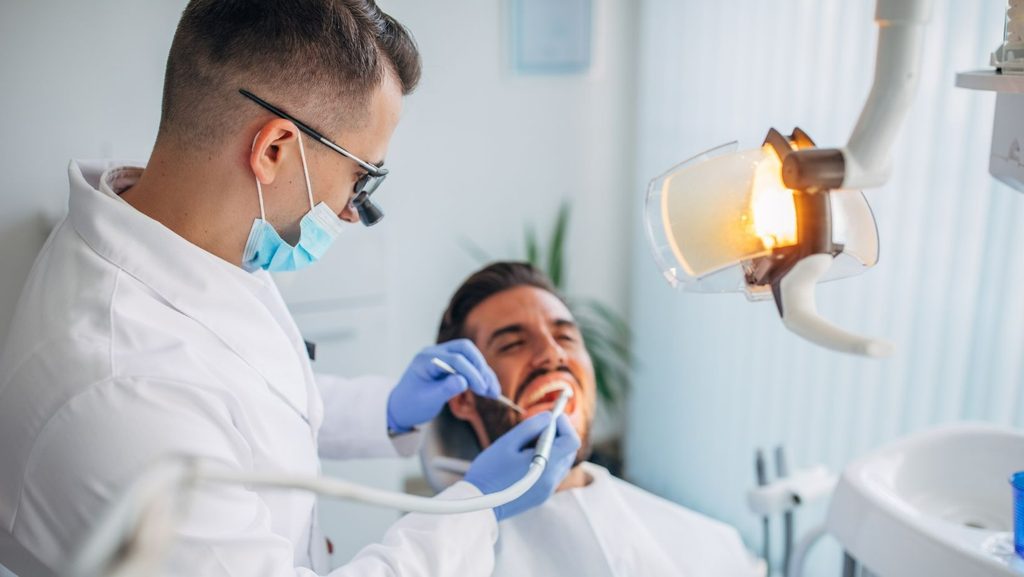
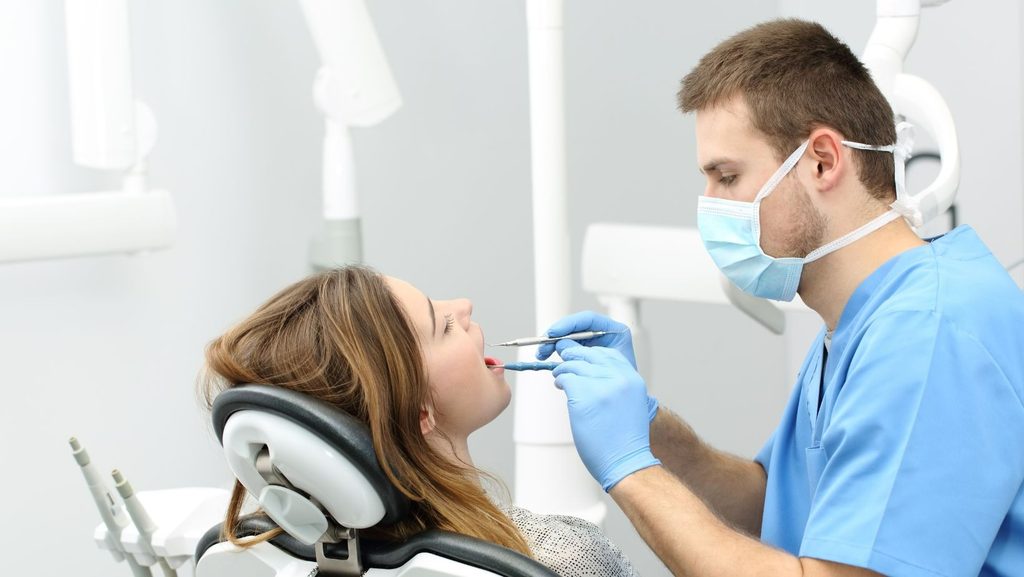
A maintenance visit typically includes an update to your medical and dental history, a review of your home hygiene routine, and a clinical exam of the implant and surrounding tissue. Dentists measure pocket depths around the implant, check for bleeding or suppuration, and assess implant stability. Radiographs compare current bone levels against your baseline images taken after the final restoration was placed.
When Should You Schedule Local Implant Follow-Ups?
Most implant patients need a follow-up within the first two weeks after surgery, another check around the three-to-four month mark to confirm osseointegration, and recall visits every six months once the restoration is complete. That schedule shifts based on your individual healing pattern and risk factors, but this is the baseline nearly every dental practice works from.
The First Year After Implant Placement
The first follow-up happens within one to two weeks after surgery, checking for swelling, infection, or healing complications. A second visit around three to four months confirms that osseointegration, the fusion of bone to the implant post, has occurred successfully. Once your permanent crown or restoration is placed, your dentist establishes baseline measurements and images used to track changes at every future visit.
How Often Ongoing Recall Visits Are Needed
Once healing is complete, most patients return every six months for a combined checkup and cleaning. Studies on implant survival show that implants surviving the first two years after placement reach success rates around 98%, but that figure assumes consistent maintenance continues afterward. Skipping the recall schedule erodes those odds over time.
Which Factors Call for More Frequent Monitoring
Smoking, a history of gum disease, diabetes, and poor home hygiene all raise the risk of peri-implant complications. Patients with these risk factors sometimes need visits every three to four months instead of the standard six. Your dentist adjusts this frequency based on findings at each appointment, not a fixed calendar.
Why Local Access Makes Long-Term Care Easier
Choosing a nearby dental practice for implant placement simplifies decades of follow-up care. Short travel times make it easier to keep every six-month visit instead of skipping appointments due to inconvenience. A local provider also builds a continuous record of your baseline measurements, making subtle changes easier to catch year over year.
What You Need to Do Between Professional Cleanings
Daily home care around your implant crown, abutment, and gumline determines how much plaque accumulates between professional visits. Consistent cleaning habits, the right tools, and attention to early warning signs all reduce the workload your dentist faces at each recall appointment.
Cleaning Around the Crown, Abutment, and Gumline
Plaque collects at the junction where the crown meets the gum just as it does around natural teeth. Brushing twice daily with a soft-bristled brush, combined with daily interdental cleaning, removes buildup before it hardens into tartar. The abutment area beneath the gumline needs particular attention since it is harder to reach and more prone to bacterial accumulation.
Tools Your Dentist May Recommend for Home Care
Many dentists recommend implant-specific floss designed to wrap around the abutment shape, along with interdental brushes sized for the gap between the crown and gum. Water flossers help dislodge debris in areas standard floss cannot reach. Some practices also suggest antimicrobial rinses for patients with a history of peri-implant inflammation.
Signs That Merit an Earlier Appointment
Bleeding during brushing, persistent bad breath, gum swelling, or a crown that feels loose all warrant a call to your dentist before your next scheduled visit.
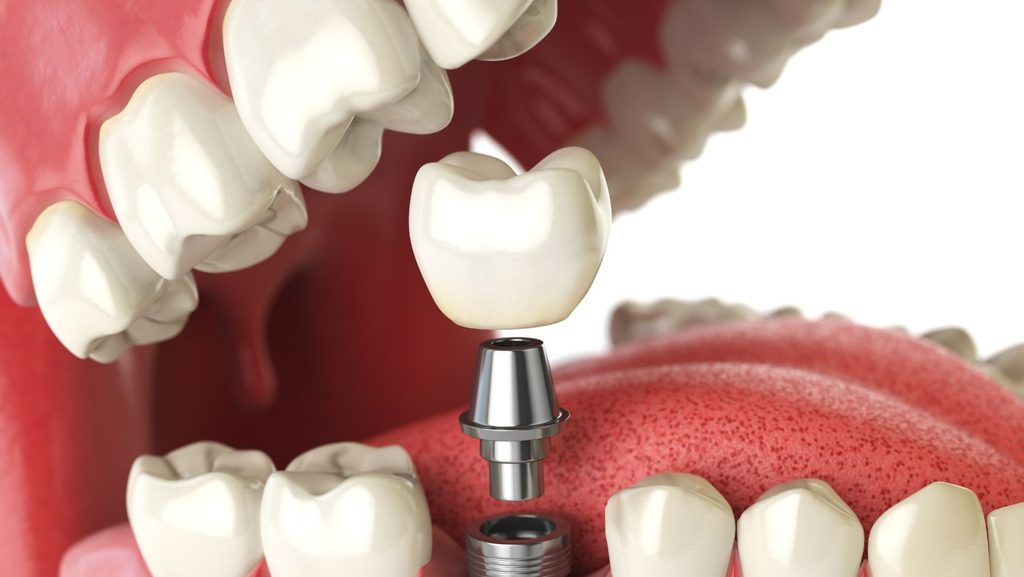
Discomfort while chewing, though less common given reduced implant sensitivity, also deserves prompt attention. None of these signs should wait for a six-month recall to be addressed.
Why Skipping Visits Can Turn Small Repairs Into Larger Treatment
A missed recall visit allows early inflammation to progress undetected toward bone loss. What could have been resolved with a professional cleaning and adjusted home care routine can turn into surgical intervention or implant removal. The cost and complexity of treating advanced peri-implantitis far exceeds the time and expense of staying on schedule.
Protecting Your Implant Investment for the Long Term
Implant longevity depends on the combination of consistent home care and scheduled professional visits, not on the surgery itself. Bone naturally remodels around a healthy implant over time, with stable patients typically losing no more than 0.2mm of crestal bone annually when maintenance stays on track.
Sticking to your six-month recall schedule, adjusting for personal risk factors, and cleaning around the crown and abutment daily keeps that stability intact. Reporting bleeding, swelling, or looseness as soon as it appears prevents minor issues from becoming major treatment. An implant placed with skill still depends on the years of care that follow it.