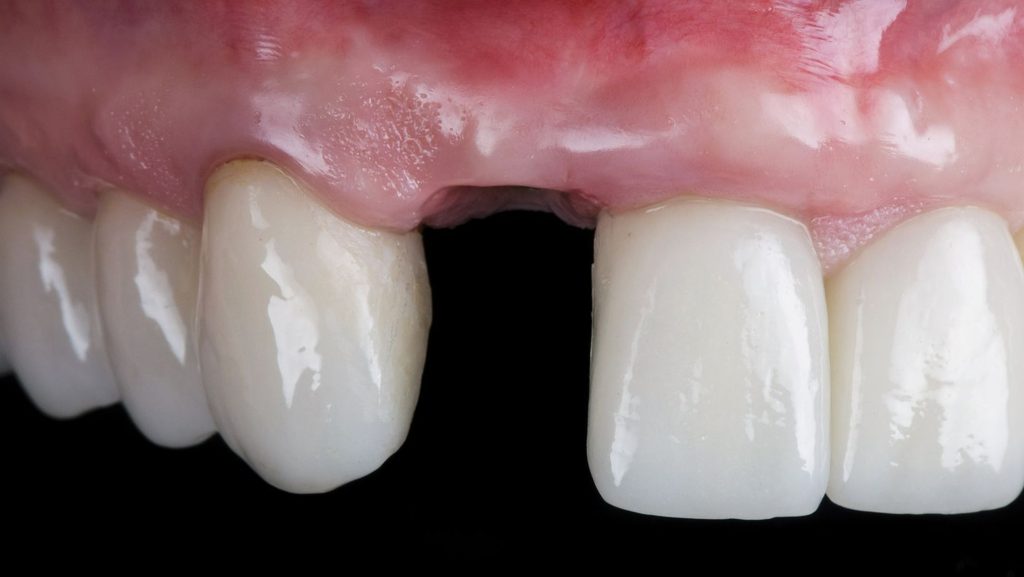

Losing a tooth changes more than your smile. Your bite shifts, nearby teeth start to drift, and everyday tasks like chewing steak or pronouncing certain words become harder than they used to be. A prosthodontist in Woodbury, MN brings advanced, specialty-level training to rebuilding what tooth loss takes away, using implants, bridges, dentures, or full-mouth reconstruction tailored to your mouth.
Woodbury has several prosthodontists and restorative specialists working alongside general dentists, giving residents access to the kind of complex care that goes beyond a routine dental visit. Knowing what these specialists do, and which replacement option fits your situation, helps you make a confident decision instead of guessing at solutions.
The right restoration depends on how many teeth are missing, the condition of your jawbone, and how much you want the result to look and feel like your natural smile.
What a Prosthodontist Can Do After Tooth Loss
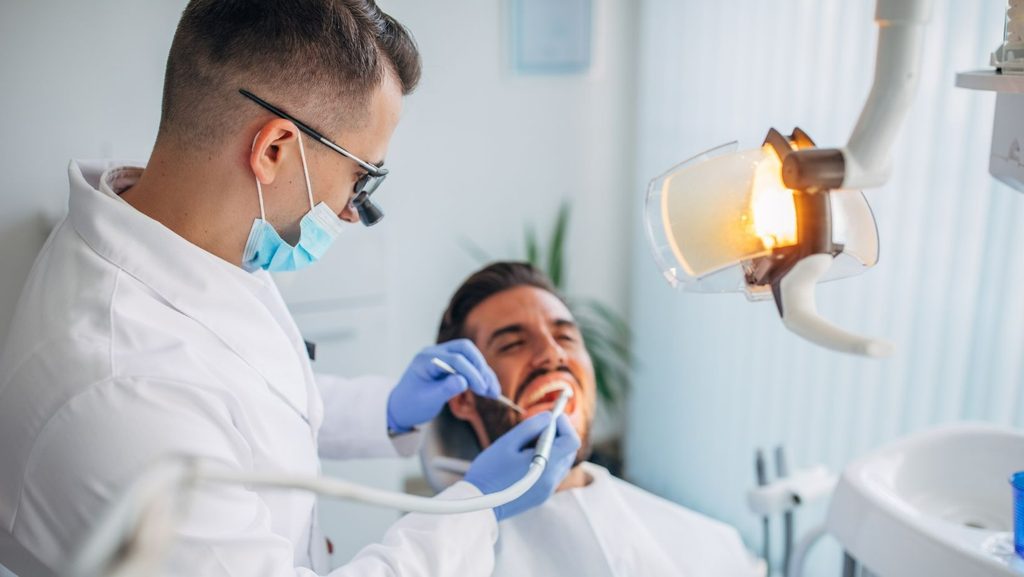
A prosthodontist rebuilds and replaces teeth using training that goes three years beyond dental school, focused entirely on restoration and replacement. That extra education covers implant restorations, complex bridgework, full and partial dentures, and the bite mechanics that keep a rebuilt smile functioning for years.
Why Specialized Restorative Care Matters
Prosthodontists complete residency training centered on how teeth, gums, and jaw joints work together. General dentists handle checkups, fillings, and preventive care well, but multi-tooth restorations or a full-mouth rebuild call for someone who has trained specifically in that work.
Many Woodbury patients see both providers: a general dentist for cleanings and exams, and a prosthodontist for the restoration itself. Once treatment finishes, you typically return to your regular dentist for ongoing maintenance, similar to how a primary care physician refers you to a specialist and then resumes your routine care afterward.
How Tooth Loss Affects Chewing, Speech, and Facial Support
Missing teeth reduce chewing efficiency almost immediately, forcing you to favor one side of your mouth or avoid certain foods altogether. Speech changes too, particularly with front teeth loss, since your tongue and lips rely on teeth to form certain sounds clearly.
Facial support suffers over time as well. Teeth and their roots help maintain the shape of your jawbone and cheeks; without them, the bone gradually resorbs, which can make your face look sunken near the missing tooth. A prosthodontist addresses both the visible gap and these underlying functional changes.
Which Tooth-Replacement Option Fits Your Smile?
The best replacement option matches the number of missing teeth, your bone density, and how you want the final result to feel when you eat or speak. Dental implants, bridges, dentures, and full-mouth reconstruction each solve different versions of tooth loss, and a prosthodontist evaluates which one aligns with your oral health and daily habits.
| Option | Best For | Bone Requirement | Typical Longevity |
| Dental Implant | Single or multiple missing teeth | Adequate jawbone density | 15+ years, often decades |
| Dental Bridge | Small gaps with healthy neighboring teeth | Minimal | 10-15 years |
| Full/Partial Denture | Several to all teeth missing | Minimal | 5-10 years before relining/replacement |
| Full-Mouth Reconstruction | Extensive damage or loss across the mouth | Varies by case | Long-term, case-dependent |
Dental Implants for Single or Multiple Missing Teeth
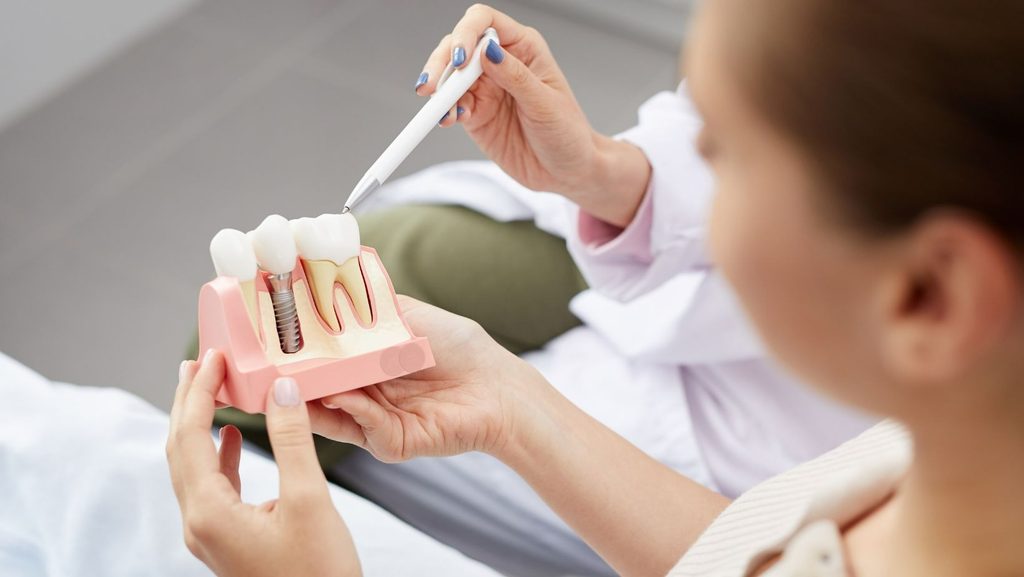
Dental implants replace a tooth root with a titanium post, topped with a custom crown that matches your surrounding teeth. Because the implant fuses with your jawbone, it stops the bone loss that follows tooth extraction and gives you a replacement that chews like a natural tooth.
Multiple implants can support individual crowns or anchor a larger bridge, depending on how many teeth are missing in a row. A prosthodontist’s advanced training in implant restoration matters here, since the crown placement affects your bite alignment and long-term jaw health.
Bridges for Closing Tooth Gaps
A dental bridge fills a gap by anchoring a replacement tooth to the natural teeth on either side. It works well when you’re missing one or two teeth in a row and the neighboring teeth are strong enough to support crowns.
Bridges cost less upfront than implants and require no surgery, though they do involve reshaping the adjacent teeth. They typically last 10 to 15 years before needing replacement or repair.
Full and Partial Dentures for Broader Tooth Loss
Dentures restore function and appearance when several teeth, or a full arch, are missing. Complete dentures replace an entire row of teeth and rest on the gums, while partial dentures fill in gaps around remaining natural teeth using a removable framework.
Both options improve chewing and speech significantly compared to living with multiple gaps. Modern dentures fit more precisely than older versions, thanks to digital impressions and better materials, though they still require periodic adjustments as your gum tissue changes shape.
Full-Mouth Reconstruction for Complex Needs
Full-mouth reconstruction combines multiple treatments, such as implants, crowns, and bite correction, to rebuild a mouth affected by extensive tooth loss, wear, or trauma. It suits patients dealing with several dental problems at once rather than a single missing tooth.
This approach requires careful planning across multiple visits, since the prosthodontist has to coordinate how each restoration interacts with your bite, jaw joints, and facial structure. The result addresses both function and appearance in one coordinated treatment plan.
Getting Personalized Restorative Care in Woodbury
A prosthodontic consultation in Woodbury starts with a full evaluation of your teeth, gums, jawbone, and bite before any treatment plan takes shape. That assessment determines which replacement options are realistic for your mouth and which ones aren’t.
What to Expect During a Prosthodontic Consultation
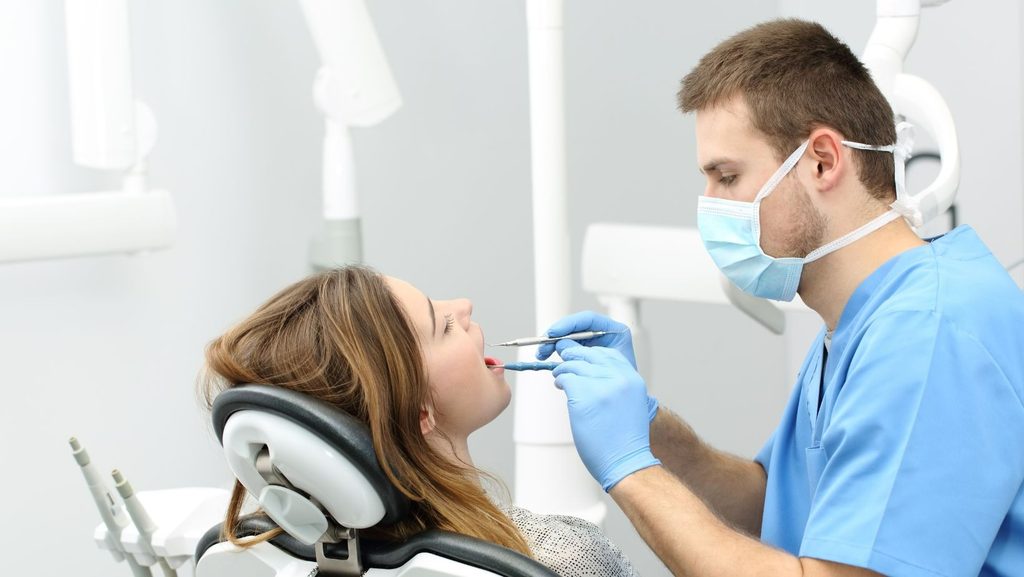
Your first visit includes a clinical exam, X-rays or 3D imaging, and a conversation about your goals and any symptoms you’ve noticed, like difficulty chewing or shifting teeth. The prosthodontist checks bone density in areas being considered for implants, since insufficient bone changes which options are viable.
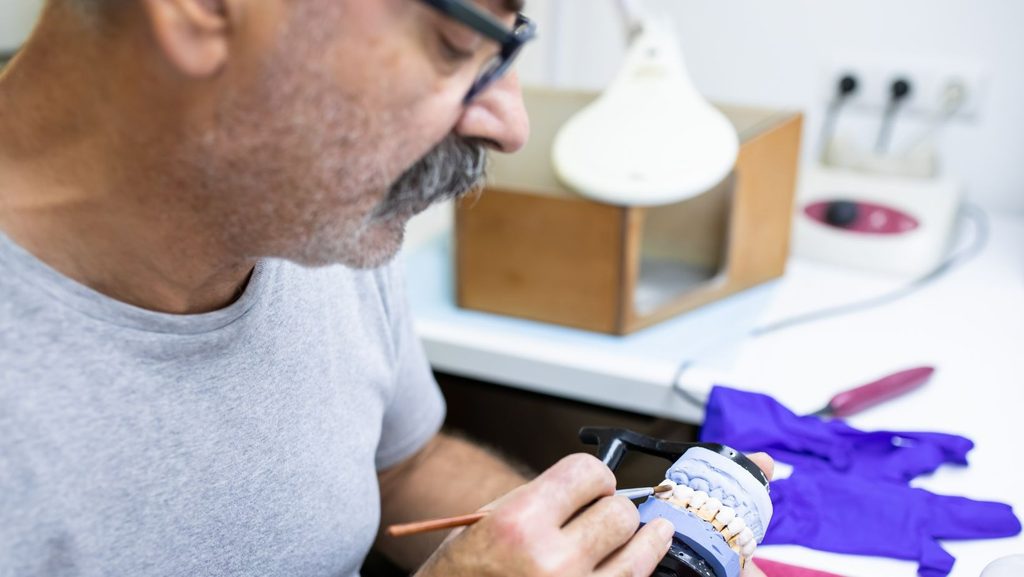
Expect a discussion of timeline and steps involved, particularly if your case calls for multiple phases such as extractions, bone grafting, or a temporary restoration while permanent ones are fabricated. You’ll leave with a specific plan rather than a general recommendation, along with a clear picture of what each stage involves.
How Custom Planning Supports Lasting Function and Esthetics
Custom planning accounts for your bite alignment, facial proportions, and how your remaining teeth will interact with any new restoration. A crown or denture built without that context can feel bulky, wear unevenly, or affect how you speak.
Digital scanning and detailed impressions let a prosthodontist design restorations that match your natural tooth shade and shape closely. That level of detail is what separates a replacement that functions for one or two years from one built to hold up for well over a decade.
A Restored Smile Starts With the Right Care Plan
Tooth loss affects chewing, speech, and facial structure in ways that extend beyond appearance, and addressing it calls for more than a one-size-fits-all fix. Implants, bridges, dentures, and full-mouth reconstruction each serve a distinct purpose depending on how many teeth are missing and the condition of your jawbone.
A prosthodontist’s specialized training allows for a treatment plan built around your specific bite, bone structure, and long-term goals. Scheduling a consultation with a Woodbury prosthodontist gives you a clear, personalized path toward a smile that chews, speaks, and looks the way it should.