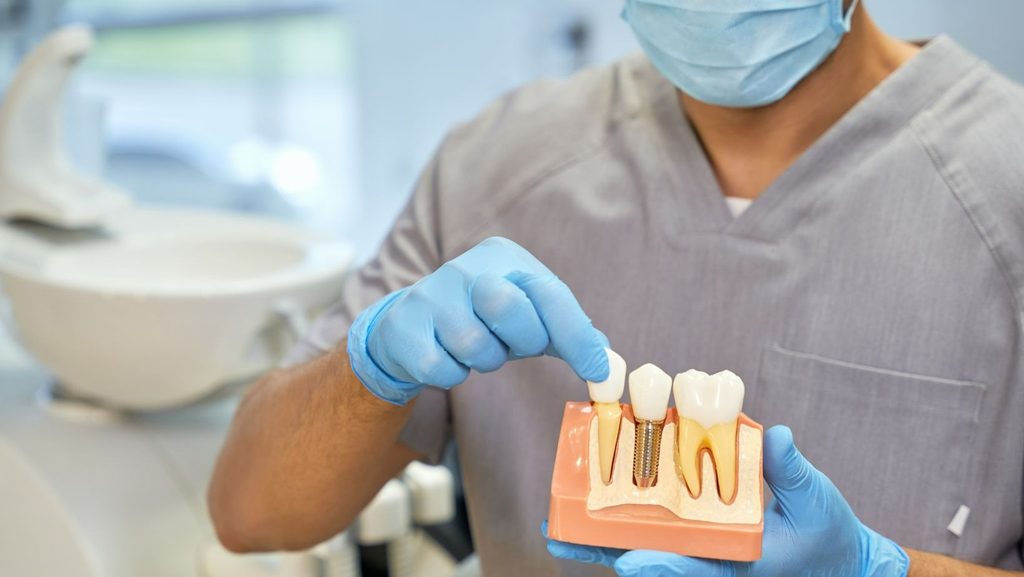
A same day implant that fails to integrate gets removed, the site gets cleaned and given time to heal, and a new implant goes in once the bone is ready. Failure of this kind means the titanium post never fused to the jawbone, not that your treatment is finished. It happens in a small share of immediate-load cases, and dentists have a well-established process for diagnosing it and starting over correctly.
Same day implants ask a lot of bone that hasn’t had time to prove itself. Traditional protocols let the jaw heal for three to six months before any weight touches the implant. Same-day cases skip that waiting period, placing a temporary crown within hours of surgery. When the bone and implant don’t fuse, you’ll typically notice looseness, discomfort, or gum irritation in the weeks that follow.
Whether you’ve already had same day dental implants in Salt Lake City, UT or are still considering them, what matters most if integration fails is how quickly the issue gets caught and treated. A failed integration diagnosed early is far easier to resolve than one left to cause bone loss or infection.
The Immediate Clinical Response
The moment integration failure is suspected, the priority shifts to confirming it, protecting the crown or removing it if needed, and clearing the implant site so healing can restart cleanly. Each step follows a set order.
How Dentists Confirm That the Implant Has Not Integrated
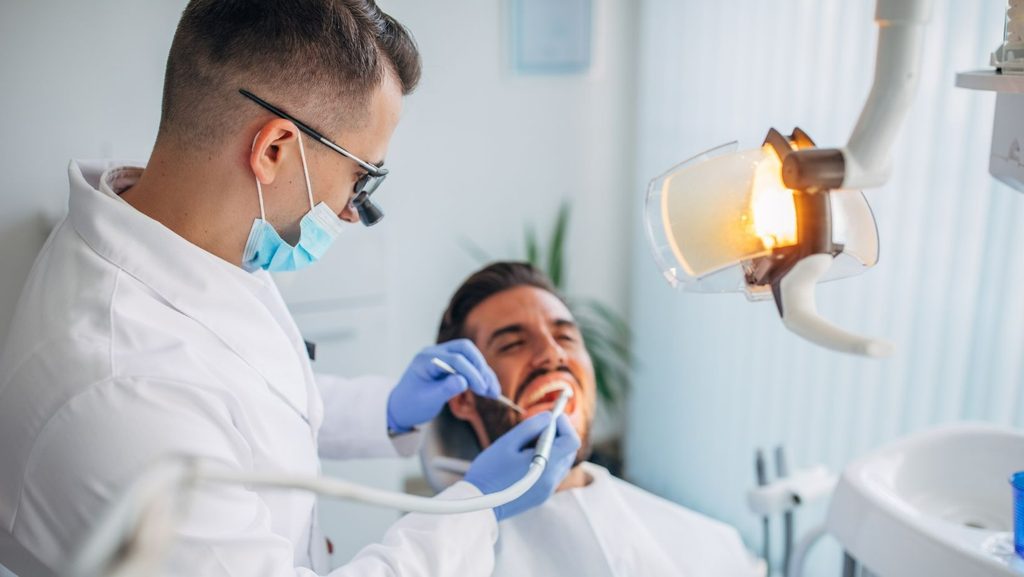
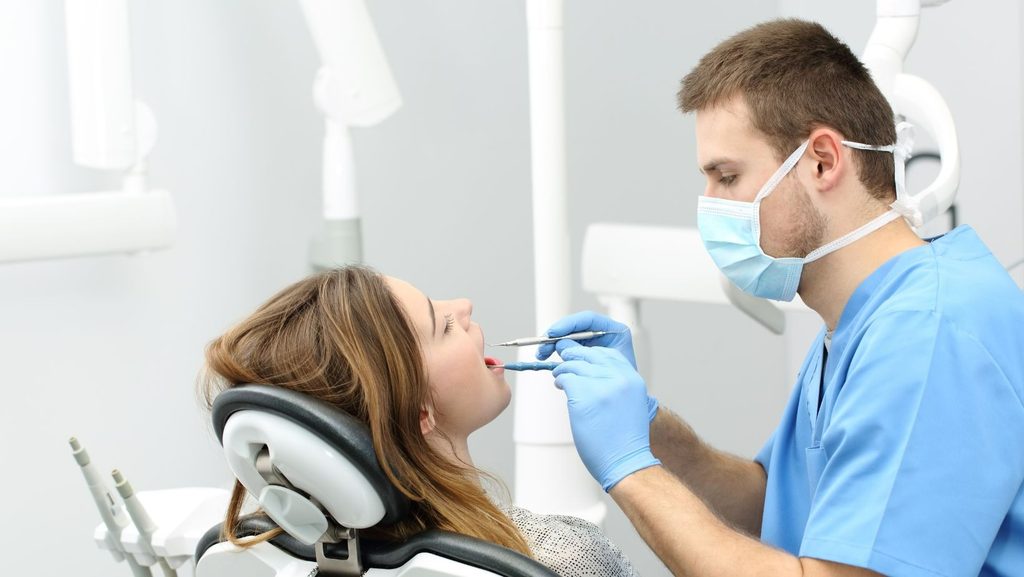
Dentists confirm non-integration through a combination of physical testing and imaging. They check for mobility by applying gentle pressure to the implant post, since a properly fused implant should not move at all.
X-rays or a cone-beam CT scan show whether bone has formed a tight connection around the implant surface or whether a gap or dark halo has developed. Persistent pain, swelling, or a sensation of movement when biting are also reviewed alongside the imaging. Tapping the implant sometimes produces a dull sound instead of the sharp, solid tone of a well-integrated post, which is another clue dentists rely on during the exam.
Whether the Temporary Crown Must Be Removed or Adjusted
In most non-integration cases, the temporary crown comes off. Leaving a crown in place on an implant that hasn’t bonded to bone puts ongoing pressure on a post that has no structural support, which speeds up further loosening.
Sometimes a dentist will first reduce the crown’s contact with opposing teeth to lower biting force while running diagnostic tests. If mobility or infection is confirmed, though, the crown is removed entirely so the implant itself can be addressed.
Implant Removal, Site Cleaning, and Early Healing
Removing a non-integrated implant is a straightforward procedure, comparable in complexity to a tooth extraction. Because the implant never fused to bone, it typically lifts out without the cutting or sectioning sometimes needed for a well-integrated implant that fails years later.
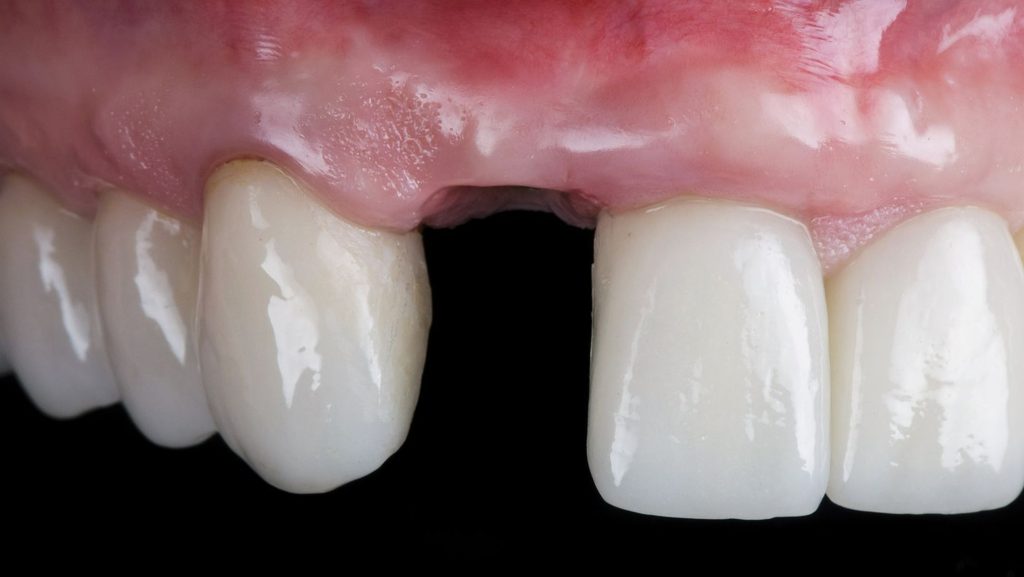
Once removed, the dentist cleans the socket of any infected or inflamed tissue and checks for bone loss at the site. The area is left to heal for a period before any further treatment, giving the gum and bone a chance to settle before decisions get made about grafting or replacement.
Why Immediate-Load Implants May Not Bond With Bone
Same day implants fail to integrate for a handful of well-documented reasons, most tracing back to movement, infection, insufficient bone, or a health condition that slows healing. Same-day protocols narrow the margin for error on all four fronts, since the crown is loaded before bone has had time to stabilize the post.
Movement During the Healing Phase
Micromovement is the leading cause of early implant failure in immediate-load cases. Osseointegration requires the implant to stay still while bone cells grow around its surface; even small amounts of rocking or shifting during those first weeks can prevent that bond from forming.
This is why case selection matters so much for same-day treatment. Implants placed with high primary stability, and often splinted to neighboring teeth or implants, tolerate the immediate load far better than a single post placed in soft or thin bone.
Infection, Bone Quality, and Surgical Stability
Infection at the surgical site interferes directly with the biological process of bone attaching to titanium. Bacteria introduced during surgery, or bacteria that reach the site afterward through poor oral hygiene, can trigger inflammation that blocks integration before it starts.
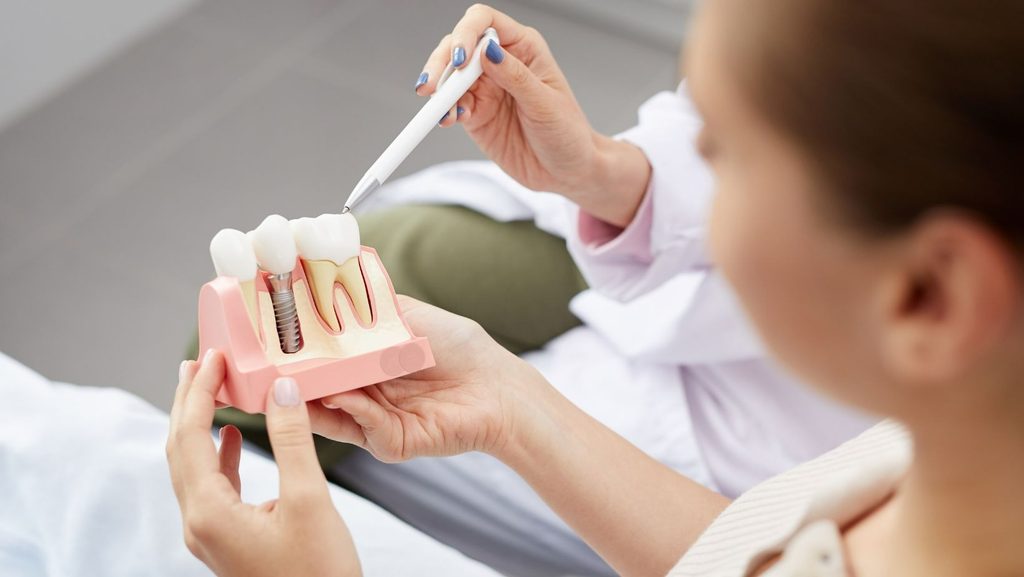
Bone quality plays an equally large role. Dense, healthy bone grips an implant securely from the moment it’s placed, while soft or thin bone offers less initial stability, called primary stability, that same-day protocols depend on. Surgical technique, including how the implant site is prepared and how precisely the implant is torqued into place, affects this stability directly.
Health Factors That Can Affect Bone Healing
Several health conditions slow or disrupt bone healing regardless of surgical technique. Uncontrolled diabetes, smoking, osteoporosis treated with certain medications, and autoimmune conditions all reduce the body’s ability to form new bone efficiently.
Dentists screen for these factors before recommending immediate loading, but not every risk is known or disclosed at the time of surgery. A patient who develops a health complication, or who continues smoking after surgery, faces a higher chance of integration failure even with a technically sound procedure.
Planning a Safe Replacement Treatment
A second implant attempt succeeds far more often once the cause of the first failure has been identified and corrected. That process usually involves a healing period, sometimes a bone graft, and adjustments to the treatment plan itself.
When Bone Grafting or Additional Healing Is Needed
Bone grafting becomes necessary when the failed implant site has lost volume or density needed to support a new post. A graft rebuilds that structure using bone material that integrates with the jaw over several months, creating a stable base for the next implant.
Not every case needs a graft. If the socket healed without significant bone loss, a dentist may only need a standard healing window, often cited around two to three months, before placing a new implant.
When a Replacement Implant Can Be Placed
A replacement implant goes in once imaging confirms the site has healed and, if grafting was performed, that the graft has matured into solid bone. Some cases allow same-day revision surgery when no graft is required, since the socket is already clean and stable.
Cases involving a graft take longer. The graft itself needs months to fuse with the existing jawbone before it can reliably hold a new implant under load.
How to Reduce the Risk of Another Failure
Reducing risk the second time starts with switching away from an immediate-load protocol if that contributed to the original failure. A delayed-load approach, giving the new implant three to six months to integrate before any crown is attached, removes the movement risk that undermined the first attempt.
Addressing health factors matters too: quitting smoking, stabilizing blood sugar, or adjusting medications that affect bone density all improve the odds of success. Dentists may also recommend a wider or longer implant, additional splinting, or a different implant surface designed for better bone contact.
A Failed Implant Can Often Be Treated Successfully
Non-integration is a setback with a clear, well-understood path forward. Removal, healing, and replacement follow a predictable sequence that dentists have refined across thousands of cases.
Clinical success rates for dental implants sit above 95%, and second attempts after a corrected failure carry good odds when the underlying cause, whether movement, infection, or bone quality, gets addressed before the new implant goes in. Catching the signs early and following through on the healing and grafting timeline gives the second implant the stable foundation the first one didn’t have.