A patient on Molokaʻi with a suspicious mammogram, a Chuukese grandmother with kidney failure, a Guam veteran needing specialized surgery: each ends up on a flight to Honolulu because the care they need does not exist closer to home.
Honolulu draws patients from across the Pacific because it holds the region’s only comprehensive concentration of specialists, advanced diagnostics, and referral hospitals, including the sole NCI-designated cancer center in the Pacific. For residents of Guam, American Samoa, the Federated States of Micronesia, and Hawaii’s own neighbor islands, that concentration of care makes Honolulu less a destination of choice than the only real option for many diagnoses.
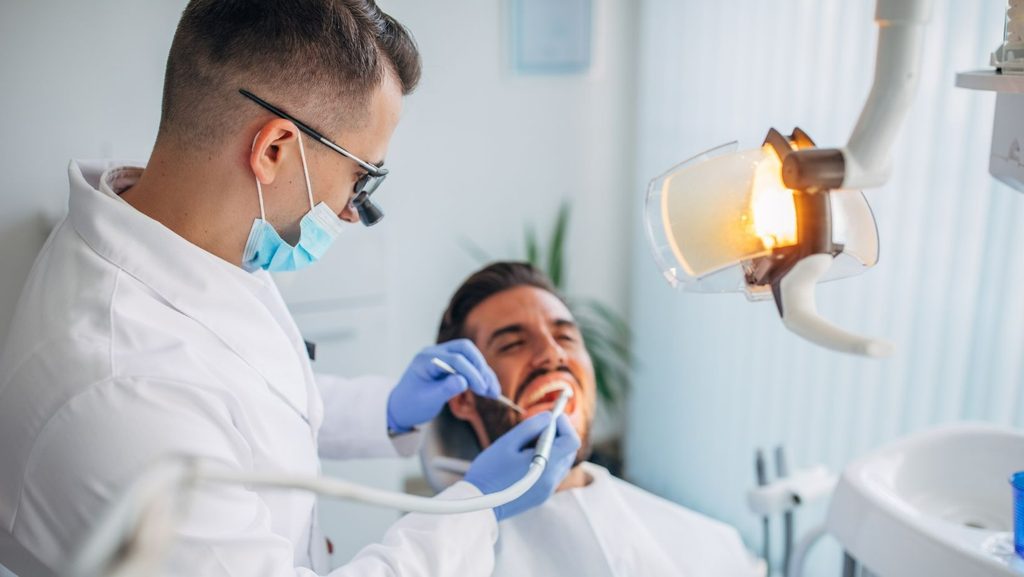
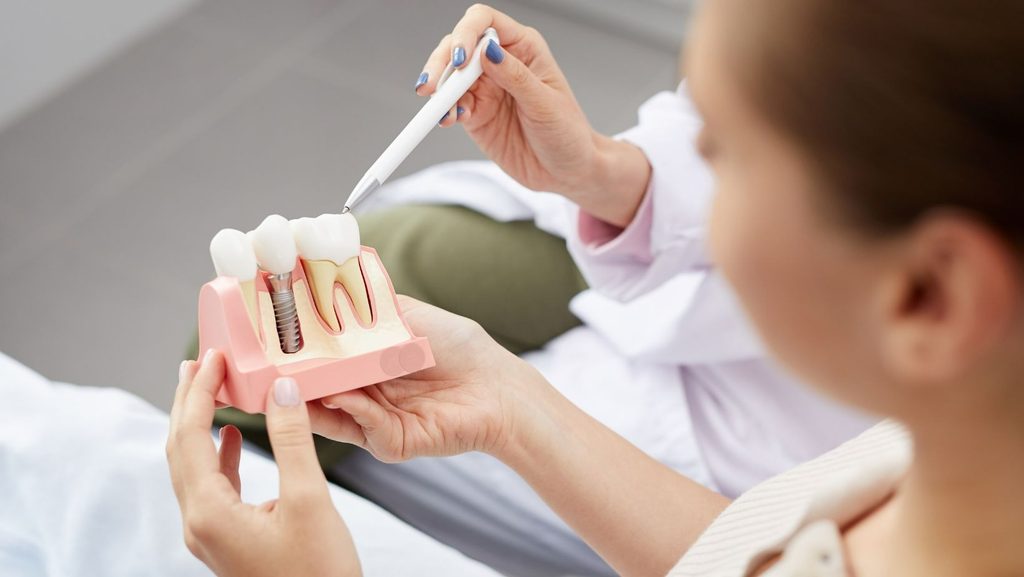
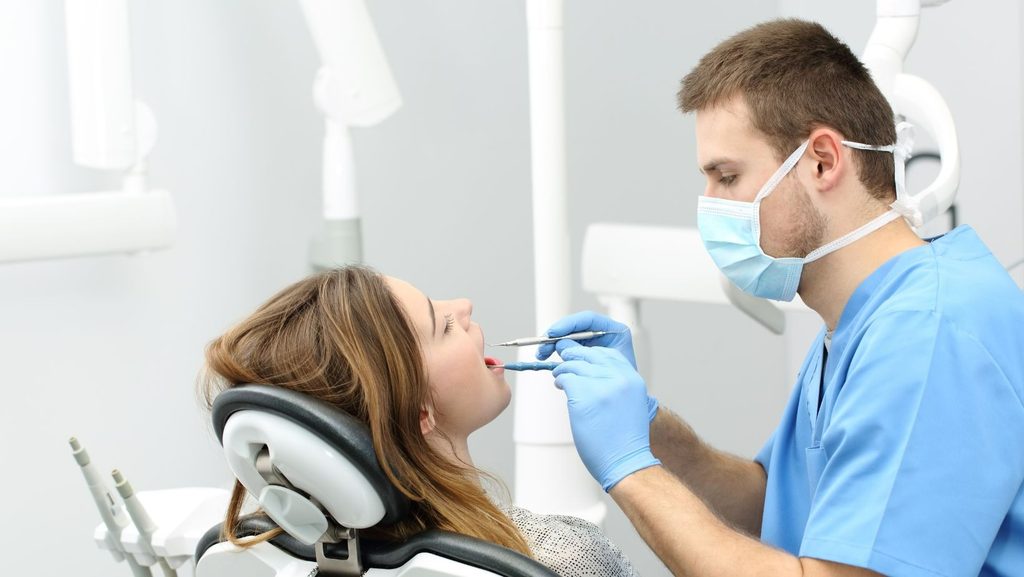
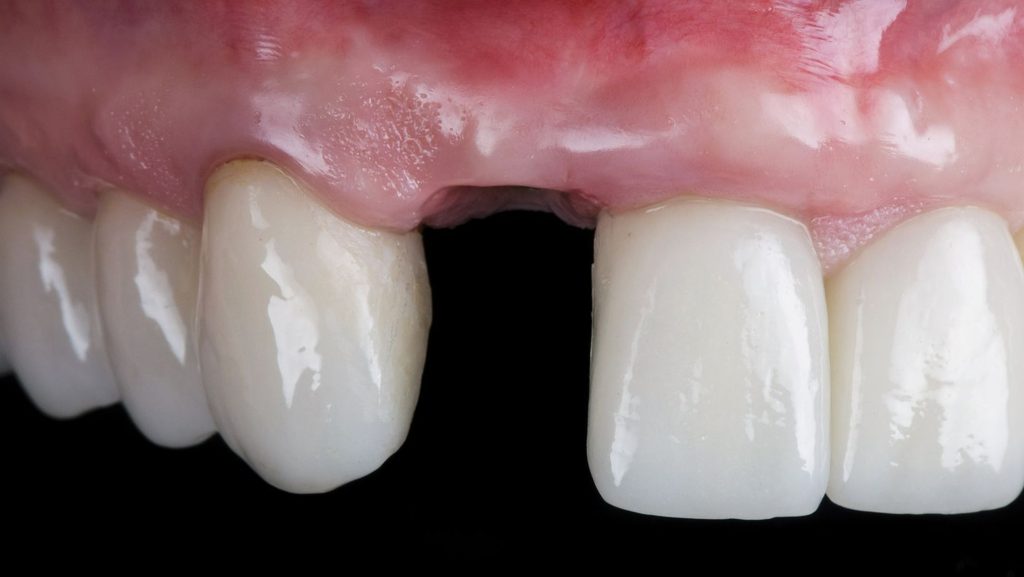
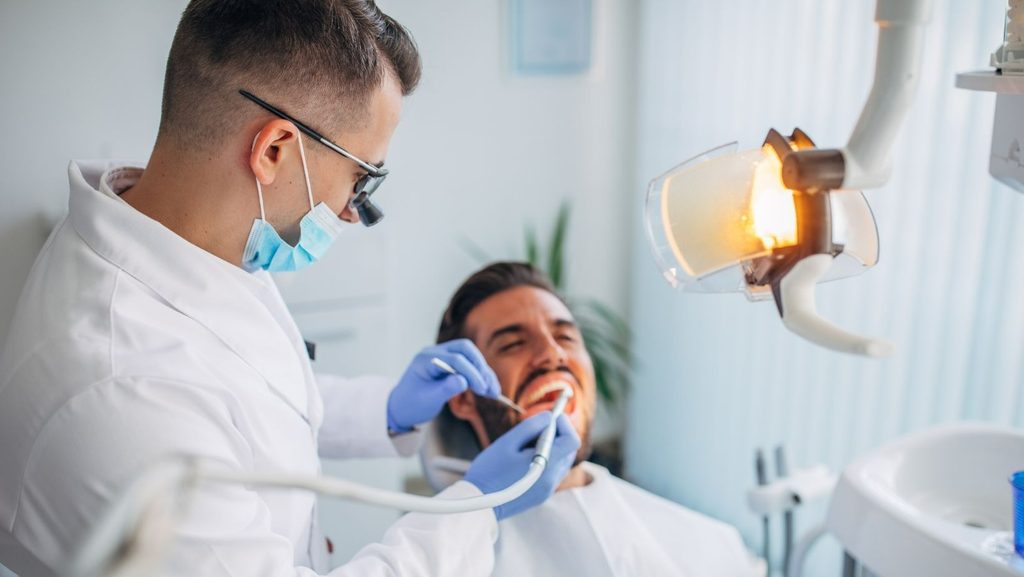
The trade-off is steep. Getting to that care means airfare, missed work, and time away from family, often for follow-up visits that stretch over months, whether for cancer treatment or multi-stage procedures like dental implants in Honolulu. Some patients delay treatment rather than face the logistics.
This pattern shows up in state funding decisions, veteran health programs, and hospital referral data alike. Understanding why the flights happen, and what makes them so hard, explains a lot about how healthcare actually works across the Pacific.
Why Honolulu Is a Treatment Hub for Pacific Island Patients
Honolulu functions as the referral center for a healthcare region spanning thousands of miles of ocean because it has hospitals, specialists, and equipment that smaller islands cannot support. Patients travel there when local care runs out of options, not by preference.
Specialists and Advanced Services Not Available Locally
Hawaii concentrates its specialty medicine in Honolulu. The state has 29 hospitals along with cancer clinics, behavioral health centers, rehabilitation facilities, and long-term care providers, but the highest-level services sit almost entirely on Oʻahu.
The University of Hawaii Cancer Center, the only NCI-designated cancer center in the Pacific region, anchors advanced oncology care, research, and clinical trials for the entire area. Patients from Guam, American Samoa, and the Federated States of Micronesia often have no comparable facility on their home island. Neither do many residents of Molokaʻi, Lānaʻi, or other rural parts of Hawaii, where specialist doctors and advanced treatment equipment are scarce or absent.
Referrals for Complex, Urgent, and Long-Term Care
Formal referral networks route patients from across the Pacific into Honolulu’s hospital system. The Pacific Island Health Care Project, running since 1990, has coordinated referrals from major hospitals in the Marshall Islands, Pohnpei, Chuuk, Kosrae, Yap, and Palau, connecting physicians in those locations directly with specialists in Honolulu.
The VA Pacific Islands Health Care System extends a similar model for veterans, operating the Spark M. Matsunaga VA Medical Center in Honolulu alongside outpatient clinics in American Samoa and Guam, serving roughly 127,600 veterans across the region. Tripler Army Medical Center has long served as a training and referral site for Pacific Islander patients as well.
These pathways exist because the alternative, treating complex or urgent cases without a functioning referral system, leaves patients with nowhere to go.
What Makes Medical Travel Difficult for Patients and Families
Flying to Honolulu solves an access problem but creates new ones. Cost, flight availability, and separation from support networks all weigh on patients who are often already managing a serious diagnosis.
Airfare, Insurance Gaps, and Other Out-of-Pocket Costs
Travel costs add up fast, and insurance rarely covers all of it. Hawaii patients spent more than $230 million on out-of-state cancer care over a recent multi-year period, a figure that reflects airfare, lodging, and lost income layered on top of treatment itself.
For Pacific Islander patients specifically, inadequate insurance coverage combines with high travel costs to directly shape treatment decisions. Some patients delay care or forgo it because the financial burden of reaching Honolulu outweighs what they believe they can manage.
Limited Flights, Delays, and Missed Appointments
Inter-island flight schedules are thin, and disruptions ripple through medical calendars. Molokaʻi and Lānaʻi residents in particular report that flight delays and cancellations cause missed specialist appointments, forcing patients to reschedule and wait weeks for another opening.
The same unreliability discourages Honolulu-based doctors from flying out to provide care locally. Some physicians who once traveled to see neighbor island patients have stopped, citing the toll of repeated flight disruptions.
Time Away From Work, Home, and Family Support
Extended stays in Honolulu separate patients from the people who normally support them. Hospice patients from Molokaʻi who travel to Oʻahu for advanced treatment sometimes struggle to make it back home in time to spend their final days with family.
Lost wages compound the strain. A single specialist visit can mean a full day or more away from a job that does not pay for the absence, on top of airfare and lodging.
How Patients Can Get Help Reaching Care
Several programs exist specifically to close the gap between a medical referral and an affordable flight. Coordination through a primary care provider, dedicated flight assistance funds, and telehealth options each address a different piece of the travel burden.
Medical Referrals and Travel Coordination
A referral from a primary care physician is the starting point for most assisted travel programs. Physicians in the Pacific Islands have long coordinated referrals to Honolulu specialists by phone, mail, and now electronic systems, a model the Pacific Island Health Care Project pioneered decades ago.

For veterans, the VA Beneficiary Travel program reimburses mileage, airfare, and lodging for VA-authorized appointments, covering inter-island trips from Kauai, Maui, Molokai, Lanai, and the Big Island to Tripler-area and Honolulu VA facilities.
Flight Assistance Programs Such as ERMAT
The Essential Rural Medical Air Transportation program, ERMAT, provides expenses-paid charter flights for Molokaʻi and Lānaʻi residents who have a referral for a Honolulu or Maui appointment. A $2 million pilot fund backs the program, aiming to stop rural patients from delaying care because of transportation cost.
HMSA’s Care Access Assistance Program offers a comparable benefit for its members, reimbursing airfare for patients flying to another island for specialty care unavailable at home. The American Cancer Society also runs an air transportation assistance program specifically for cancer patients traveling between islands or to the mainland for treatment.
| Program | Who It Serves | What It Covers |
| ERMAT | Molokaʻi and Lānaʻi residents with a referral | Charter flights to Honolulu or Maui appointments |
| HMSA Care Access Assistance | HMSA members | Airfare reimbursement for specialty care travel |
| VA Beneficiary Travel | VA-enrolled veterans | Mileage, airfare, lodging for VA appointments |
| American Cancer Society Air Transportation | Cancer patients | Inter-island and island-to-mainland flights |
Telehealth and Visiting Providers When Travel Is Not Needed
Telehealth lets some patients skip the flight altogether. Tele-oncology and other remote care models are drawing renewed investment in Hawaii specifically because they can reduce the volume of patients who need to travel out of state for treatment.
Visiting provider programs work in the opposite direction, sending doctors to Molokaʻi and Lānaʻi rather than routing every patient to Honolulu. Both approaches depend on reliable technology and consistent staffing to hold up over time.
Access to Care Still Depends on More Than a Flight
Getting a patient to Honolulu solves only the transportation half of a much larger access problem. Hawaii is short more than 1,000 doctors, and specialist shortages persist even after a patient reaches the state’s largest medical hub.
Flight assistance programs, VA travel benefits, and telehealth investments each chip away at a different barrier, whether that is cost, distance, or the shortage of local providers. None of them substitutes for having more specialists, hospital beds, and cancer treatment capacity distributed closer to where Pacific Islanders actually live.
Recent funding, including a $53 million federal grant aimed at rebuilding rural healthcare infrastructure across Hawaii’s islands, signals movement toward that goal. Until specialty care expands beyond Oʻahu, though, the flight to Honolulu will remain the only path to treatment for many patients across the Pacific.