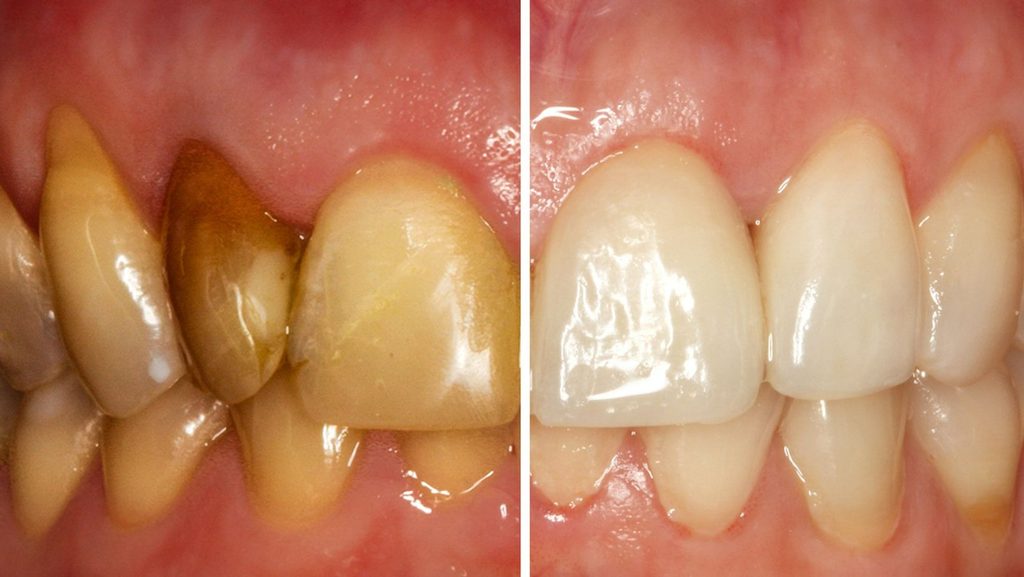
Budget constraints make full-mouth restoration impossible for many patients right now, and that reality forces a real decision: treat one arch and wait on the other, or delay treatment altogether. Restoring a single arch first is a legitimate, commonly used strategy, provided your bite is evaluated as a whole system before any implants are placed. Dentists who plan implant cases regularly stage treatment this way, starting with the arch causing the most functional or structural damage while protecting the second arch for a later phase.
For patients looking for affordable dental implants in High Point, NC, doing one arch now does not automatically mean paying twice as much overall. It does mean the sequence, the material choices, and the timing all need to be mapped out with the opposing arch in mind from the start.
This matters because your upper and lower teeth do not function independently. Whatever you restore now has to work against whatever is happening in the arch you haven’t treated yet, so the planning conversation looks different than a simple “one arch versus two” cost comparison.
Can You Restore Just One Dental Arch?
Restoring a single arch is possible, and it’s a standard part of implant dentistry when the case is planned correctly. Whether it’s the right move for you depends on what condition your untreated arch is in, how your bite meets in the middle, and whether your remaining natural teeth (if any) can hold up during the wait.
What a Full Dental Arch Includes
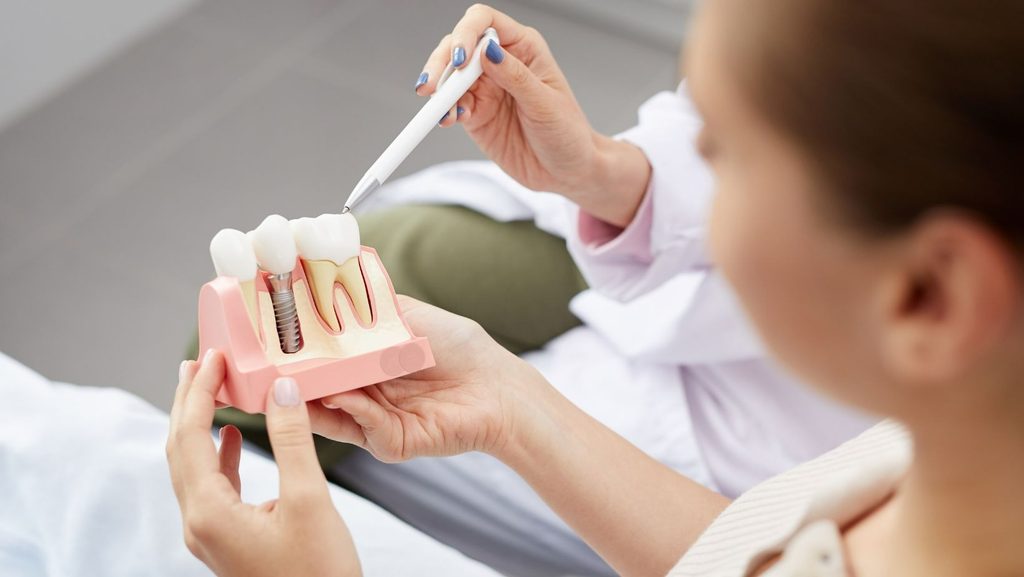
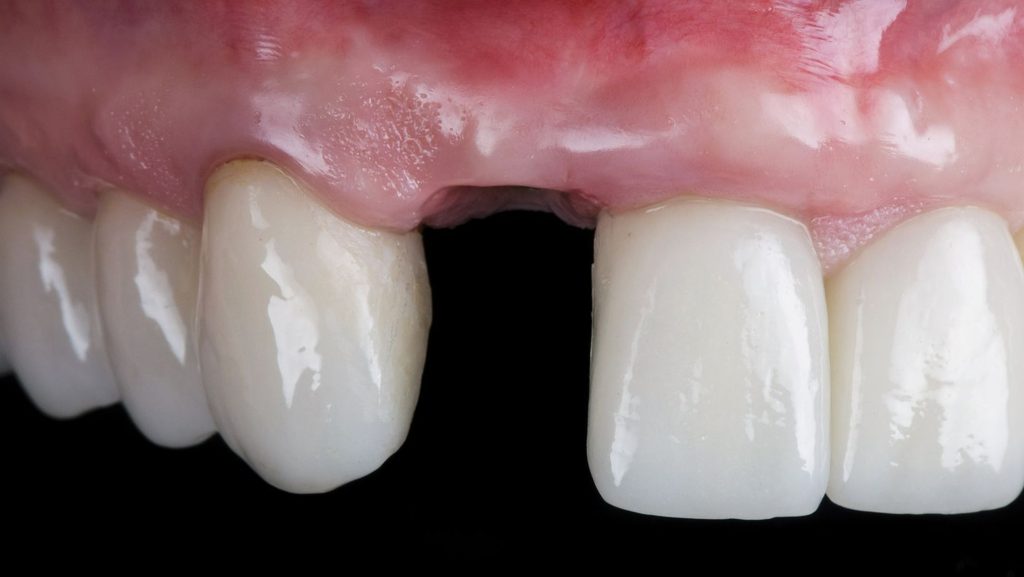
A full dental arch refers to one complete jaw, upper or lower, and a full-arch restoration typically replaces all the teeth in that jaw using four to eight strategically placed implants rather than one implant per missing tooth. This differs from a single-tooth implant, which replaces one missing tooth in isolation, and from full-mouth treatment, which restores both arches at once.
Full-arch cases use a fixed bridge or implant-supported denture anchored to the implants, distributing bite force across the whole arch instead of tooth by tooth.
When One-Arch Treatment May Be Appropriate
One-arch treatment tends to make sense when damage, decay, or missing teeth are concentrated in a single jaw while the opposite arch remains structurally sound. If your upper teeth are failing but your lower arch has healthy natural teeth or a stable bite, treating the upper arch first addresses the more urgent problem without touching a jaw that doesn’t need it yet.
It’s also a reasonable approach when finances require spreading treatment over time, as long as the arch left untreated isn’t actively deteriorating in ways that will complicate the second phase.
Why Your Bite Must Be Evaluated First
Your bite has to be assessed before any one-arch plan is approved, because the upper and lower arches function as a connected system. Restoring one arch changes the height, angle, and contact points your teeth meet at, and if the opposing arch shifts, wears unevenly, or has its own untreated problems, the new restoration can end up absorbing forces it wasn’t designed for.
A dentist will check how your jaws close together, look for signs of uneven wear or shifting teeth, and confirm that the untreated arch is stable enough to serve as a reliable counterpart during the interim period.
How to Plan Treatment When the Second Arch Must Wait
Treating one arch while the other waits works best when the plan accounts for both jaws from day one, not just the arch being restored immediately. That means deciding which arch goes first, protecting the untreated arch from further decline, and building the first phase so it doesn’t box you into costly rework later.
Choosing Which Arch to Restore First
The arch causing the most immediate damage or dysfunction generally gets treated first. If you’re in pain, losing function, or dealing with teeth that are actively failing in one jaw, that arch takes priority regardless of which one is easier to treat.
Lower arches are sometimes easier to work with from a technical standpoint, and some dentists prepare the lower arch structurally even while focusing active treatment on the upper jaw, setting up a smoother second phase later. The right starting point depends on where the damage and functional loss are worst, not on convenience alone.
How the Untreated Arch Can Affect the New Restoration
An untreated arch can undermine a new restoration if it’s unstable, shifting, or wearing unevenly. New implants and restorations are built to a specific bite height and alignment, and if the opposing teeth continue to move or wear down after treatment, that carefully calibrated bite can be thrown off.
This is why dentists sometimes recommend a night guard, minor stabilization, or extraction of hopeless teeth in the untreated arch, even if full restoration there is postponed. The goal is to keep the opposing arch predictable enough that it doesn’t force adjustments to the arch you already paid to fix.
Staging Treatment to Protect Future Implant Options
Staging treatment correctly protects your ability to complete the second arch later without starting over. This includes preserving bone volume where future implants will go, avoiding restorations that would need to be redone once the second arch is treated, and choosing implant positions and prosthetic designs compatible with a future full-arch plan.
A dentist experienced in phased implant cases will document exactly what the second phase requires, including implant count, bone grafting needs, and bite adjustments, so the second arch can proceed on schedule instead of requiring a redesign.
Comparing One-Arch and Two-Arch Costs
Treating both arches at once is often more cost-effective than treating them separately over time. Full mouth implant treatment covering both arches typically runs from $40,000 to $90,000 combined, while a single full-arch restoration represents roughly half that range on its own, though separating the phases can add costs tied to duplicate imaging, additional consultation visits, and separate surgical sessions.
| Factor | One Arch Now | Both Arches Together |
| Upfront cost | Lower initial payment | Higher initial payment |
| Total lifetime cost | Often higher combined | Often lower combined |
| Surgical visits | Two separate sessions | Consolidated in one plan |
| Bite stability risk | Requires monitoring opposing arch | Both arches finalized together |
| Recovery time | Two recovery periods | One recovery period |
Financing options, including third-party medical credit lines and in-house payment plans, can narrow the gap between paying for one arch now versus financing both arches together from the start.
Making a Safe, Realistic One-Arch Decision
A safe one-arch decision comes from a thorough consultation, not a quick cost estimate. The right questions at that appointment, and a clear view of what delay actually costs, determine whether treating one arch now protects your long-term outcome or complicates it.
Questions to Ask at Your Implant Consultation
Ask your dentist directly how the untreated arch will be monitored and what specific signs would mean it can’t wait any longer. Useful questions include:
- Will my bite be evaluated as a full system, not just the arch being treated?
- What happens to my new restoration if the opposite arch shifts or wears down?
- Does the untreated arch need any interim stabilization, such as a night guard or extractions?
- What will the second phase cost, and can I get that estimate in writing now?
- Will implant positioning in this phase limit or support my options for the second arch?
Get answers documented in your written treatment plan, not just discussed verbally.
When Delaying Treatment Can Create Added Costs
Delaying the second arch can add costs when bone loss, shifting teeth, or worsening decay in the untreated jaw progress during the wait. Bone volume declines after tooth loss, and if that decline continues untreated, it can require grafting that wouldn’t have been necessary with earlier treatment.
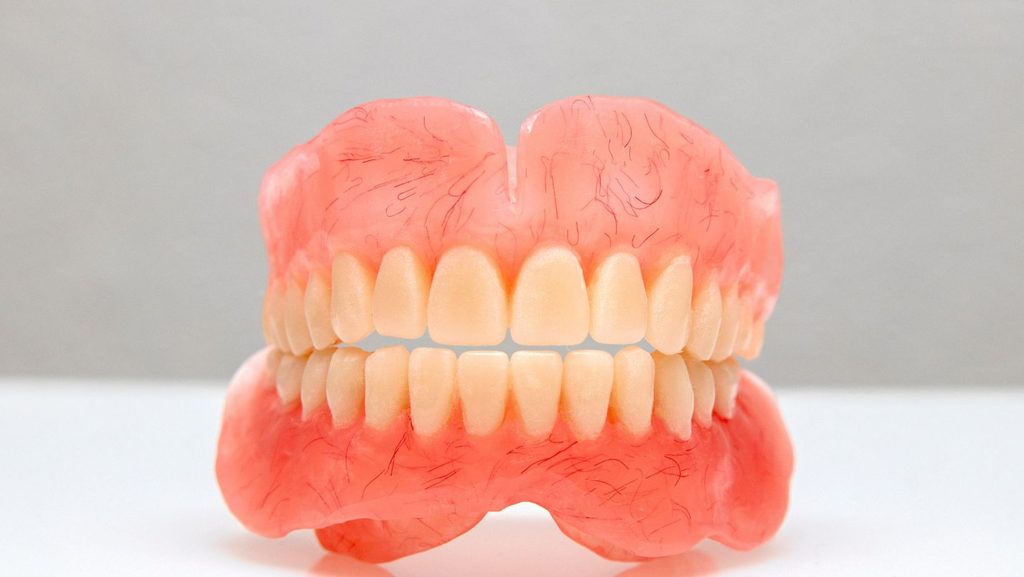
Teeth in the untreated arch can also drift or over-erupt into the space created by the new restoration, undoing some of the bite stability the first phase established. A dentist tracking both arches during the interim can catch these changes early, before they turn into a more expensive second phase.
A Treatment Plan That Fits Your Budget and Bite
Treating one arch now is a workable path when it’s built on a full evaluation of both jaws, not a decision made from cost alone. The arch causing the most damage gets treated first, the untreated arch gets monitored and stabilized as needed, and the first phase gets designed to support the second one instead of complicating it.
Ask for a written treatment plan that lays out both phases, including projected costs and implant positioning for the second arch. That document, more than any single quote, is what tells you whether a one-arch plan protects your bite or puts it at risk down the road.