If your dentist has mentioned that you need a bone graft or sinus lift before getting dental implants in Sparta, WI, you may have also heard La Crosse come up in the conversation. That’s not a coincidence, and it’s not a sign that something is wrong with your case.
Sparta patients travel to La Crosse for bone grafting and sinus lifts because that’s where the specialized oral surgery expertise, advanced imaging, and implant planning resources are concentrated, and because established referral pathways between Sparta providers and La Crosse specialists already exist. Sparta’s own clinics, including Mayo Clinic Health System’s Sparta location, rely on La Crosse for exactly this kind of specialty and surgical follow-up care.
Bone grafting and sinus lifts are precise, foundation-laying procedures. Get the bone volume wrong, and an implant placed later has a much harder time succeeding. That’s why some patients are willing to add a 30-mile drive to their treatment plan.
When Bone Grafting or a Sinus Lift Is Needed Before Implants
A dental implant needs enough solid jawbone to anchor into, and not every patient has it. Bone loss from missing teeth, gum disease, or old extractions is common enough that grafting and sinus lifts have become a routine early step in implant planning rather than an exception.
How Tooth Loss and Gum Disease Reduce Jawbone Volume
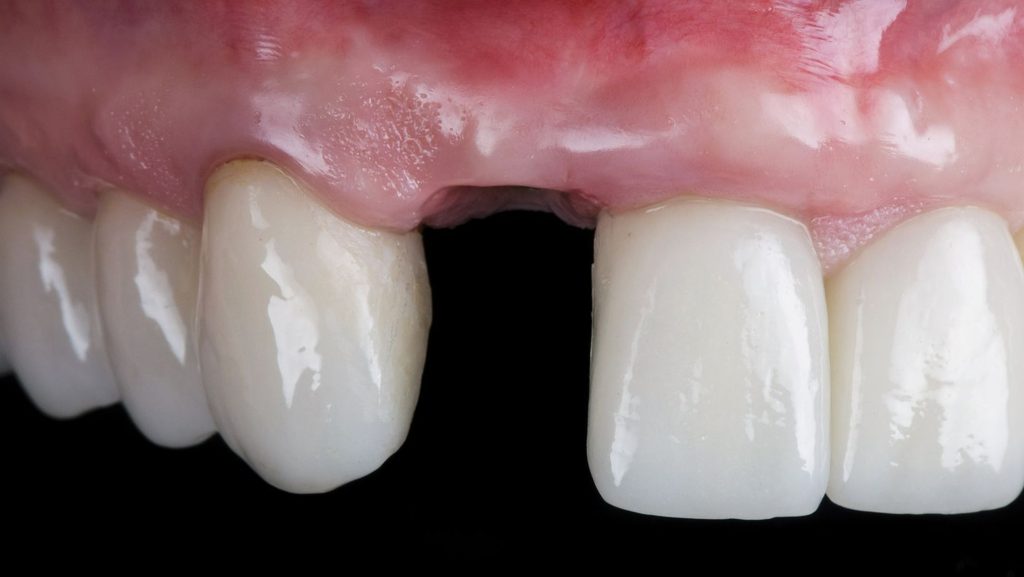
Jawbone shrinks when it no longer has a tooth root to support. Once a tooth is lost, the surrounding bone starts to resorb because it no longer receives the chewing pressure that keeps it stimulated. Gum disease compounds this by damaging the bone and tissue that hold teeth in place, even before a tooth is lost.
The longer a gap sits unaddressed, the more bone volume disappears. Patients who lost a tooth years ago, and never replaced it, often have significantly less bone than someone who lost a tooth last month. That gap in timing is often what determines whether grafting is needed at all.
Why Upper Back Teeth May Require a Sinus Lift
Upper back teeth sit close to the maxillary sinuses, and that proximity limits how much bone is available for an implant. The maxillary sinuses are air-filled cavities positioned directly above the upper premolars and molars. When bone height in this area is insufficient, standard implant placement isn’t possible without first creating more room.
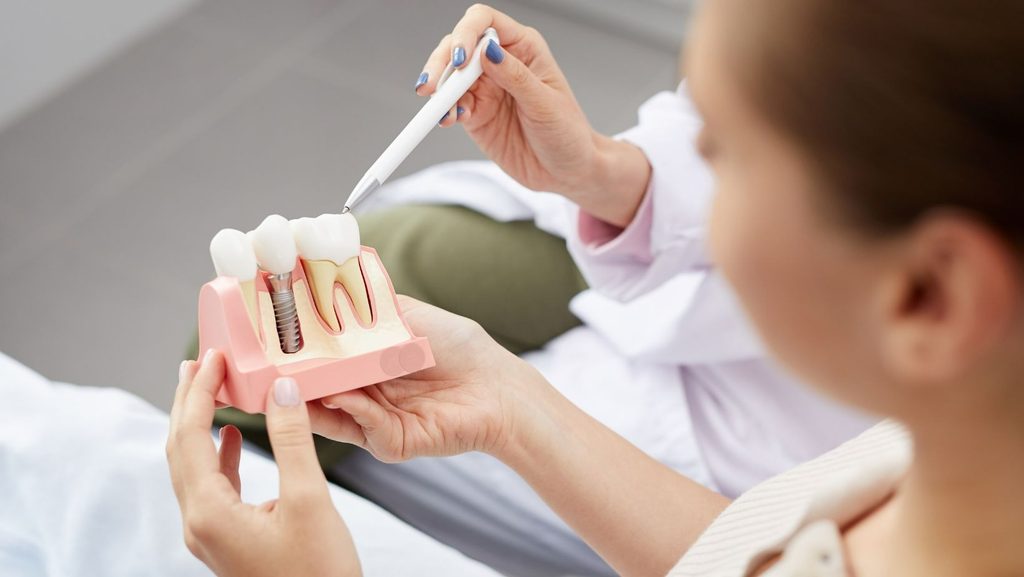
A sinus lift, also called sinus floor augmentation, addresses this by lifting the sinus membrane and packing bone graft material into the space created underneath it. This builds enough vertical bone height for an implant to be placed securely. Patients missing upper back molars are the ones most likely to need this specific procedure.
Bone Grafting vs. Sinus Lift: What Is the Difference?
Bone grafting adds volume or density to the jaw in a general sense, while a sinus lift is a specific type of graft procedure targeting the upper back jaw near the sinuses. Every sinus lift involves grafting material, but not every bone graft involves the sinus.
| Factor | Bone Grafting (General) | Sinus Lift |
| Location | Anywhere in upper or lower jaw | Upper back jaw only |
| Purpose | Rebuild width or height of ridge | Add height beneath maxillary sinus |
| Common cause | Tooth loss, gum disease, trauma | Missing upper molars/premolars |
| Healing time before implant | 3 to 6 months, often | 6 to 9 months, sometimes |
| Technique | Socket preservation, ridge augmentation | Lateral window or crestal approach |
Why La Crosse May Be Part of the Treatment Plan
La Crosse has a denser concentration of oral surgeons, implant specialists, and advanced diagnostic technology than smaller communities like Sparta, which is why referrals flow in that direction. Several dental and oral surgery practices in the La Crosse and Onalaska area focus specifically on bone grafting, sinus lifts, and implant placement as core parts of their practice.
Access to Advanced Implant Planning and Surgical Care
La Crosse practices offer 3D imaging and surgical planning tools built specifically for implant cases. Oral and maxillofacial surgeons in the area handle bone grafting, from socket preservation to sinus lifts, as a routine part of their scope of practice. That level of specialization supports more precise treatment planning before a surgeon ever picks up an instrument.
Facilities like Gundersen Health System and Mayo Clinic Health System’s La Crosse campus add hospital-level resources to the mix, including surgical teams equipped for more complex cases. For patients with health conditions that complicate healing, that infrastructure carries real weight.
When a Local Dentist Recommends a Specialty Referral
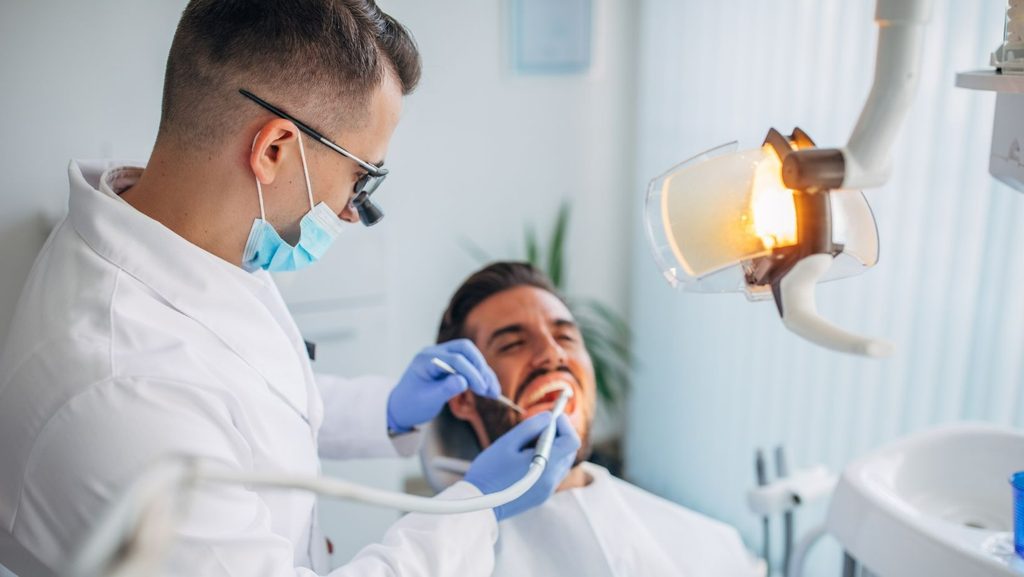
A Sparta dentist refers a patient to La Crosse when a case calls for surgical expertise or equipment not available locally. Mayo Clinic Health System’s Sparta clinic operates with administrative and clinical support from La Crosse and refers patients out when specialized treatment is needed, whether that’s oral surgery, orthopedics, or another specialty area. This isn’t unique to dental care; it reflects how smaller clinics across the region are structured to work alongside larger regional hubs.
A referral for a sinus lift or bone graft typically means the case involves enough complexity, such as significant bone loss or sinus anatomy that requires careful navigation, that a specialist is the safer choice.
How Sparta-to-La Crosse Care Coordination Can Work
Referring providers in Sparta stay informed throughout treatment, even when surgery happens in La Crosse. Mayo Clinic Health System describes this coordination directly: the local provider helps arrange the specialty referral and stays updated on the patient’s care. That means your Sparta dentist doesn’t disappear from the process once you’re referred out.

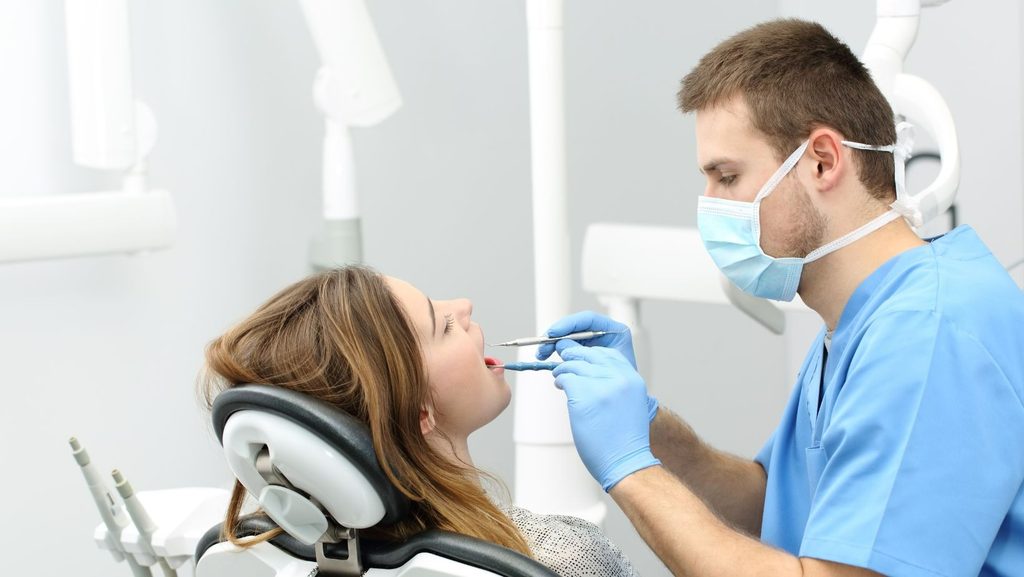
In practice, this often looks like the Sparta dentist handling initial exams and restorative work (crowns, final implant restorations) while the La Crosse specialist handles the surgical grafting or lift. Records and imaging typically transfer between offices, so patients aren’t repeating diagnostic steps unnecessarily.
What Patients Should Consider Before Traveling for Treatment
Traveling to La Crosse for surgical dental work adds logistics that patients should plan for before the procedure, not the day of. Recovery time, follow-up scheduling, and how the procedure fits your overall health picture all affect how smoothly the process goes.
Recovery, Follow-Up Visits, and Transportation Needs
Sinus lifts and bone grafts require sedation or anesthesia in many cases, which means you’ll need someone to drive you home. Arrange transportation before the appointment, since grogginess and swelling can make a 30-mile drive back to Sparta unsafe on your own.
Follow-up visits matter too. Healing after a sinus lift can take 6 to 9 months before an implant is placed, and bone grafts generally need 3 to 6 months. Ask upfront how many in-person follow-ups happen in La Crosse versus how many can be handled by your Sparta dentist.
Questions to Ask About Imaging, Materials, and Implant Timing
Ask what type of graft material will be used (your own bone, donor bone, or synthetic material) and why that choice fits your case. Also confirm whether 3D imaging will be used for surgical planning, since this affects precision and can shorten chair time.
Timing questions matter just as much:
- Will the implant be placed at the same time as the graft, or after full healing?
- How many total appointments will the process take, split between La Crosse and Sparta?
- What happens if healing takes longer than expected?
Health Factors That Can Affect Healing
Diabetes, smoking, osteoporosis medications, and autoimmune conditions can all slow bone healing after a graft or sinus lift. Tell your surgical team about every medication and health condition, even ones that seem unrelated to dental care.
Patients on immunosuppressive treatment face added infection risk, which is worth discussing candidly with both your Sparta dentist and the La Crosse surgical team before scheduling surgery.
Choosing Care That Supports a Stable Implant Foundation
Bone grafting and sinus lifts exist to solve one problem: giving a dental implant enough solid bone to succeed long-term. For many Sparta patients, that solution runs through La Crosse, where oral surgeons, imaging technology, and hospital-level resources are concentrated and where referral coordination with local Sparta providers is already established.
Ask direct questions about materials, timelines, and healing expectations before committing to a surgical date. Confirm how your Sparta dentist and La Crosse specialist will share records and follow-up responsibilities. A well-coordinated plan between the two, more than the distance between them, determines how smoothly the road to a finished implant goes.