A cracked molar at 9 p.m. feels urgent no matter what caused it, but not every dental problem needs a trip to the ER or an after-hours call. A true dental emergency involves uncontrolled bleeding, facial swelling that affects breathing or swallowing, a knocked-out permanent tooth, or trauma to the jaw or head; everything else usually fits into a same-day dentist visit or a routine appointment. Knowing which category your situation falls into changes what you do in the next ten minutes.
The stakes vary widely. A knocked-out tooth has a window of roughly 30 to 60 minutes before the odds of saving it drop sharply. A small chip with no pain can sit safely on your bathroom counter until Monday morning. Telling these apart quickly helps you decide whether to call an emergency dentist in Blaine, WA right away, and it keeps you from an unnecessary ER bill or a missed window for saving a tooth.
Act Now: Signs of a Medical or Tooth-Saving Emergency
Some dental situations threaten more than a tooth; they threaten your airway, your blood supply, or your overall health. These cases call for immediate action, either a call to 911 or a direct trip to the emergency room, before you even think about scheduling a dental appointment.
When Swelling, Fever, or Breathing Trouble Means Go to the ER
Facial swelling paired with fever, difficulty swallowing, or trouble breathing signals a spreading infection that can compromise your airway. This combination means the emergency room, not a dentist’s office, and calling 911 if breathing becomes labored. Dental infections can spread into the neck and throat within hours, and an ER can administer IV antibiotics and stabilize you in ways a dental chair cannot.
How to Handle a Knocked-Out Permanent Tooth
Pick the tooth up by the crown (never the root), rinse it gently with water if it’s dirty, and try to reinsert it into the socket immediately. If that’s not possible, tuck it between your cheek and gum, or place it in a cup of milk. Get to an emergency dentist within 30 to 60 minutes; the longer the tooth sits outside the socket, the lower the chance of successful reimplantation.
Uncontrolled Bleeding, Jaw Injuries, and Head Trauma
Bleeding that doesn’t slow after 10 to 15 minutes of firm, direct gauze pressure needs emergency evaluation. The same goes for a jaw that feels misaligned, won’t open or close fully, or shows visible deformity after an impact. Any head trauma accompanied by confusion, vomiting, loss of consciousness, or slurred speech takes priority over the tooth itself; call 911 and let paramedics assess you first.
When Do You Need an Emergency Dentist Instead of the ER?
Severe pain, a broken tooth, or a dental abscess usually calls for an emergency dentist rather than a hospital visit, since dentists have the tools and training to actually treat the underlying problem. Hospitals can manage pain and prescribe antibiotics, but they generally can’t extract a tooth, place a filling, or drain an abscess at the source.
Severe Tooth Pain, Abscesses, and Broken Teeth
Throbbing pain that disrupts sleep or doesn’t respond to over-the-counter medication points to a deeper problem, often an infected nerve or an abscess. A visible pimple-like bump on the gum, a bad taste, or localized swelling near one tooth are classic abscess signs. A tooth broken badly enough to expose the inner nerve (you’ll often see a pink or reddish center, or feel sharp pain with air or temperature) also needs same-day attention, since the exposed nerve is vulnerable to further infection.
Lost Crowns, Fillings, and Temporary Restorations
A lost crown or filling that leaves a tooth sensitive to temperature or pressure warrants a same-day or next-day call, even without severe pain. The exposed tooth structure is more fragile and more prone to decay or breakage the longer it goes unprotected. If the crown itself is intact, save it. Your dentist can often reseat it during a short visit rather than making a new one.
What to Do Until You Can Be Seen
Rinse with warm salt water, take an appropriate dose of ibuprofen or acetaminophen, and apply a cold compress to the outside of the cheek for swelling. Avoid chewing on the affected side, and skip aspirin directly on the gum tissue, which can burn it. If you lost a crown, temporary dental cement from a drugstore can hold it in place for a day or two.
Which Dental Problems Can Safely Wait Until Monday?
Mild discomfort without swelling, fever, or bleeding usually points to a problem that can wait for a regular appointment. These issues are worth monitoring and mentioning to your dentist, but they rarely require rearranging your weekend.
Mild Toothaches and Manageable Sensitivity
A dull ache that comes and goes, or sensitivity to cold that fades within a few seconds, often points to minor enamel wear or a small cavity rather than a nerve emergency. Over-the-counter pain relief and a desensitizing toothpaste usually keep this manageable until your next visit. Keep track of when the pain happens; that detail helps your dentist diagnose it faster.
Small Chips, Controlled Gum Bleeding, and Mouth Sores
A small, painless chip that doesn’t expose the nerve or leave sharp edges can wait for a routine filling or bonding appointment. Gums that bleed lightly during brushing, especially if you’ve recently started flossing again, are common and typically resolve within a week or two of consistent oral hygiene. Canker sores and minor mouth irritation usually heal within seven to ten days without any intervention beyond a saltwater rinse.
Warning Signs That Change a Routine Problem Into an Urgent One
Watch for a shift in severity: pain that goes from mild to sharp and constant, swelling that appears where there wasn’t any before, or bleeding that won’t stop with normal pressure.
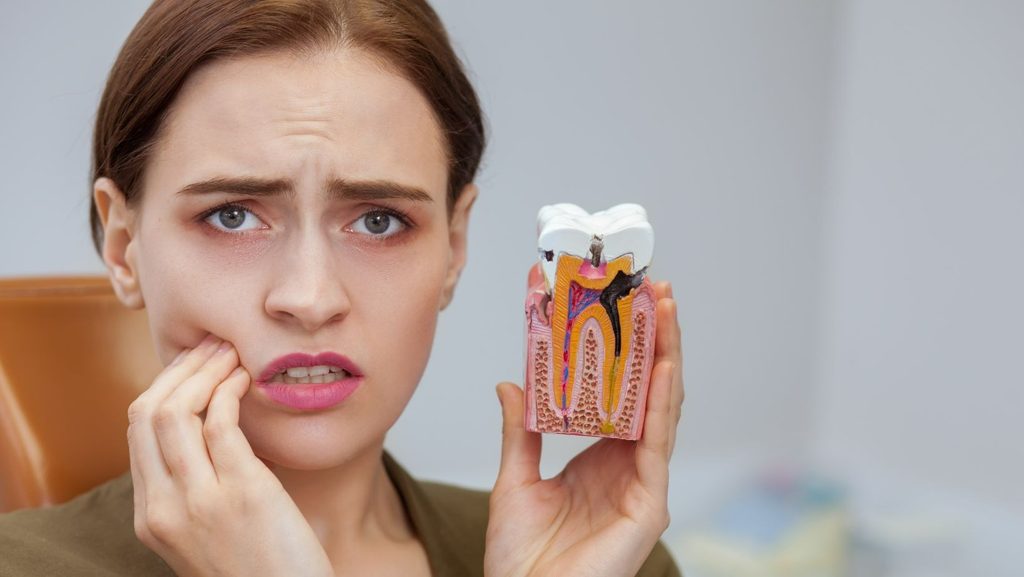
A sore that lingers past two weeks, a chip that suddenly develops sharp edges cutting your tongue, or a tooth that becomes loose all mean it’s time to call sooner rather than waiting for your scheduled visit.
Making the Safest Call When Symptoms Are Unclear
Call your dentist’s office first, even outside business hours. Most practices have an answering service or an emergency line that can help you triage the situation over the phone before you decide where to go.
Describe your symptoms specifically: where the pain is, how long it’s lasted, whether there’s swelling or fever, and what triggered it. A staff member or on-call dentist can often tell within a few questions whether you need the ER, a same-day appointment, or just at-home care until Monday.
| Symptom | Best Next Step |
| Facial swelling with fever or breathing trouble | Emergency room / 911 |
| Knocked-out permanent tooth | Emergency dentist within 30-60 minutes |
| Severe throbbing pain or visible abscess | Emergency dentist, same day |
| Lost crown or filling, mild sensitivity | Dentist, next available appointment |
| Small painless chip or mild sensitivity | Routine appointment |
| Minor gum bleeding or canker sore | Monitor, mention at next cleaning |
When symptoms don’t fit neatly into a category, treat any combination of pain plus fever, or trauma plus swelling, as reason enough to call now rather than wait. A five-minute phone call costs you nothing and can prevent a small problem from turning into a lost tooth or a hospital bill.
Conclusion
Dental emergencies fall into clear categories once you know what to look for. Swelling with fever or breathing difficulty, a knocked-out tooth, uncontrolled bleeding, and jaw or head trauma all call for immediate emergency care. Severe pain, abscesses, and broken restorations need an emergency dentist, usually within the same day. Mild sensitivity, small chips, and minor gum irritation can wait for a routine visit, provided they don’t escalate. When you’re unsure which bucket your symptoms fall into, a quick call to your dentist’s office gives you a clear answer faster than guessing on your own.