Table of Contents
ToggleNashville’s summers bring thick, sticky humidity that lingers from May through September, and that moisture does more than frizz your hair. Humidity itself does not stain porcelain veneers, but it changes your mouth’s chemistry and habits in ways that make staining more likely, while diet remains the primary driver of long-term discoloration. Combine sweet tea season, backyard barbecue sauces, and iced coffee runs with the region’s warm climate, and you get a recipe for gradual, uneven color change around the edges of a smile.
Veneers themselves resist stains far better than natural enamel. The porcelain surface is dense and largely non-porous, so the coffee and wine that yellow real teeth over years have a harder time penetrating a well-glazed shell.
The margins where veneer meets natural tooth, the cement lines, and the teeth surrounding your veneers are a different story. If you have porcelain veneers in Brentwood, TN or elsewhere around Nashville, the region’s climate and local diet both play a role in how that surrounding structure ages.
Does Nashville Humidity Directly Stain Veneers?
Humidity does not chemically stain porcelain, but it changes saliva flow, drinking habits, and bacterial activity in ways that indirectly raise staining risk. Nashville’s average relative humidity climbs above 70% for much of the summer, and that muggy air affects the mouth as much as it affects wood furniture or exterior paint.
Humidity, Saliva, and Surface Staining
Hot, humid weather pushes people toward constant sipping: sweet tea, lemonade, iced coffee, sports drinks. Frequent sipping means your teeth and veneer margins sit in a steady bath of sugar and acid rather than getting a break between meals.
Heat and humidity also affect saliva. Dehydration from sweating reduces saliva flow, and saliva is what naturally rinses away food pigments and neutralizes acid. Less saliva means pigments and plaque linger longer on tooth surfaces next to your veneers.
Why Veneer Margins Need Extra Attention
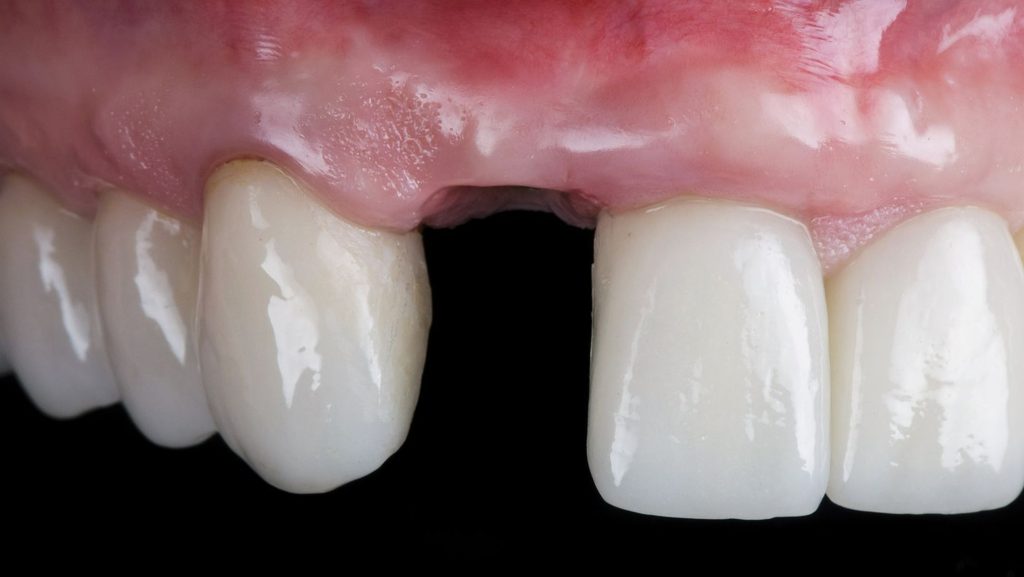
The seam where a veneer bonds to natural enamel is the most vulnerable spot on the entire restoration. Porcelain resists stains, but the thin line of bonding cement and the natural tooth beneath it do not share that resistance.
Over years, that margin can pick up a faint yellow or brown line, especially if humidity-driven habits like frequent sugary drinks go unchecked. Regular polishing at cleanings and prompt attention to any visible margin discoloration keeps this from becoming a cosmetic problem.
Which Foods and Drinks Pose the Greatest Color Risk?
Diet outweighs weather as the biggest factor in veneer discoloration over time. Tannin-rich drinks, dark sodas, and acidic foods each contribute to staining through a different mechanism, and Nashville’s food culture puts several of them on daily rotation.
Coffee, Tea, Cola, and Red Wine
Coffee, black tea, red wine, and cola contain tannins and chromogens, the pigmented compounds responsible for most dietary tooth staining. These pigments cling to enamel and to any rough or porous surface they contact.
Nashville’s coffee shop culture and the region’s sweet tea tradition mean many residents drink one or both daily. Dark sodas add phosphoric and carbonic acid to the mix, which erodes enamel while depositing color at the same time.
Drinking these through a straw and rinsing with water afterward limits contact time with visible tooth surfaces and veneer margins.
Acidic Foods and Roughened Ceramic Surfaces
Acidic foods and drinks soften and roughen enamel, creating a porous surface that grabs onto stains more easily. Citrus fruit, vinegar-based dressings, tomato sauce, and barbecue sauce (a Nashville staple) all fall into this category.
Porcelain veneers hold up better against acid erosion than natural enamel, but the natural tooth structure at the margins does not get the same protection. Repeated acid exposure there speeds up discoloration around the edges of an otherwise bright veneer.
Sugary Foods, Plaque, and the Tooth Beneath the Veneer
Sugary foods feed the plaque bacteria that build up along the gumline and veneer margins. Left in place, that plaque hardens into tartar, which discolors and traps stain-causing pigments against the tooth surface.
Because a veneer only covers the front of a tooth, decay or discoloration can still develop on the natural tooth structure underneath or beside it. Consistent brushing and flossing around veneer edges protects the part of the tooth doing the most work to keep the restoration looking uniform.
Everyday Habits That Help Veneers Stay Bright
Simple daily adjustments do more for long-term veneer color than any single product. Timing, rinsing, and a few habit changes protect both the porcelain and the natural tooth structure around it.
Rinsing and Waiting to Brush After Dark or Acidic Drinks
Rinsing with plain water immediately after coffee, tea, wine, or soda washes away surface pigments before they settle in. This single habit, done consistently, cuts down on the buildup that leads to visible staining over months and years.
Brushing right after an acidic drink can actually do more harm than good. Acid temporarily softens enamel, and brushing during that window can wear it down faster. Waiting around 30 minutes before brushing gives saliva time to neutralize the acid first.
Choosing Alcohol-Free Mouthwash
Some mouthwashes contribute to the exact discoloration they claim to prevent. Chlorhexidine-based rinses, commonly prescribed after dental procedures, are known to cause staining with regular long-term use.
Alcohol-free, non-chlorhexidine mouthwash options support oral hygiene without adding a staining risk. Checking the label or asking your dentist which rinse suits a veneer-heavy smile avoids an easy, avoidable mistake.
Protecting Veneers From Smoking and Excess Force
Smoking or tobacco use causes a yellowish-brown discoloration on veneers and natural teeth alike, and it tends to concentrate at the gumline and margins. Quitting or cutting back protects both color and the health of the gum tissue supporting your veneers.
Excess force from nail-biting, chewing ice, or using teeth as tools puts veneers at risk of chipping, which creates rough edges that grab stains even faster. A nightguard for teeth grinding adds another layer of protection against both fracture and premature wear.
Protecting a Consistent Smile Over Time
A bright, even smile with veneers comes down to two ongoing efforts: managing what touches your teeth and staying consistent with hygiene and professional care. Nashville’s humid climate raises the stakes slightly through hydration habits and constant sipping, but diet remains the larger factor in how veneers look after ten or fifteen years.
Rinsing after staining drinks, waiting to brush after acidic foods, choosing the right mouthwash, and keeping up with professional cleanings all work together. None of these steps is complicated, but doing them consistently is what separates a smile that still looks uniform after a decade from one with visible discoloration at the margins.
Regular dental checkups let a professional catch early margin staining or plaque buildup before it becomes noticeable, keeping your veneers looking as close to day-one as possible for years longer.