Table of Contents
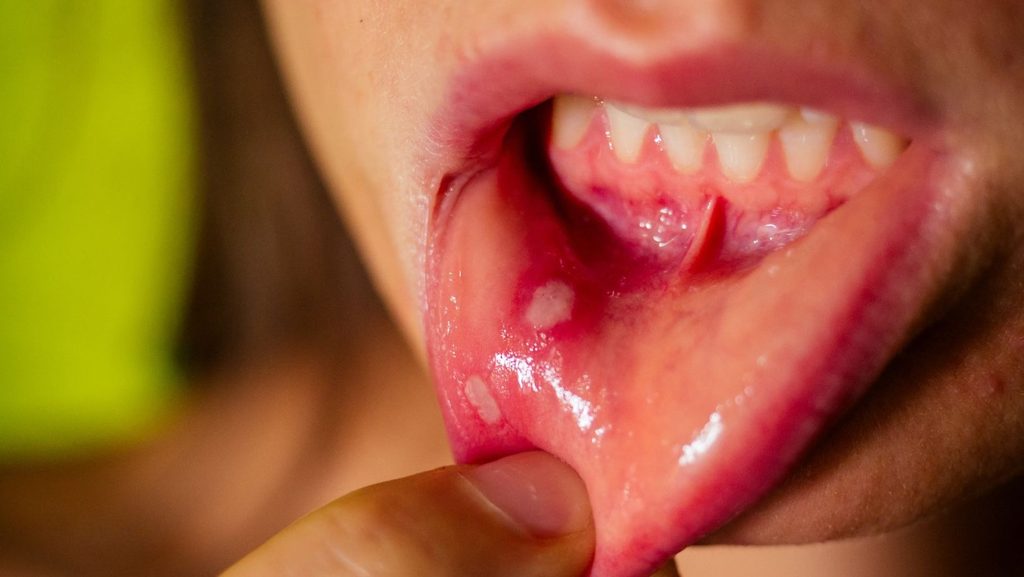
ToggleA canker sore that never quite goes away, or one that heals only to reappear in the same spot a week later, usually has a mechanical explanation. Lip and cheek biting is a frequently missed cause of chronic mouth sores, and it happens far more often as an unconscious habit than most people realize. Instead of a virus, a vitamin deficiency, or a random flare-up, the culprit can be your own teeth catching the same patch of tissue over and over.
This pattern has a clinical name: morsicatio buccarum for cheek biting, morsicatio labiorum for lip biting. Dentists and oral medicine specialists recognize it as a distinct, self-inflicted source of oral irritation, separate from canker sores or cold sores.
The tricky part is that the habit often runs during sleep, deep concentration, or moments of stress, without any conscious awareness. That makes the sores feel mysterious even though the cause is sitting right inside your mouth, often in plain view for a dental team like Brush Dental Studio during a routine exam.
How Lip and Cheek Biting Causes Chronic Mouth Sores
Repetitive biting wears down oral tissue faster than it can repair itself, creating a loop of injury and re-injury in the same spot. The lining of the cheeks and lips is soft and thin, which makes it especially vulnerable to friction from teeth.
What Repeated Biting Does to Oral Tissue
Each bite creates a small area of trauma: broken skin, inflammation, and sometimes a shallow ulcer. One bite alone might heal in days.
Repeated biting in the same location doesn’t get that chance. The tissue stays in a constant state of low-grade injury, which can lead to redness, painful sores, and visible tears in the mucosa along the lip or inner cheek.
Signs the Sores May Be Caused by a Biting Habit
Certain patterns point toward biting rather than a canker sore or infection. Watch for these clues:
- Sores that appear in the same spot, along the bite line where upper and lower teeth meet
- A rough, white, or shredded-looking patch instead of a single round ulcer
- Lesions on both sides of the mouth (bilateral), often near the corners
- Sores that improve, then return within days in the identical location
- No clear trigger like a new food, medication, or illness
Why Rough Healing Tissue Can Perpetuate the Cycle
Rough scar-like tissue gives your teeth something new to catch. As bitten tissue heals, it can thicken and develop an uneven, rough surface, described clinically as chronic frictional keratosis.
That rough texture becomes an easy target for teeth during normal chewing or talking. Each new catch reopens the area, which is why these sores can persist for weeks or months instead of resolving like a typical mouth ulcer.
What Triggers Repetitive Biting and When to Seek Dental Care
Repetitive lip and cheek biting stems from either genuine accidents, an unconscious repetitive behavior, or a mechanical problem with how your teeth meet. Identifying which category fits your situation determines whether a habit-awareness approach or a dental visit is the right next step.
Accidental Biting vs. a Body-Focused Repetitive Behavior
Occasional accidental biting happens to almost everyone while eating, talking, or during physical activity. It’s a one-off event with an obvious cause.
Chronic lip or cheek biting is different. Clinicians classify it as a body-focused repetitive behavior (BFRB), grouped with habits like nail biting and skin picking. It happens repeatedly and often outside conscious awareness, including during sleep.
Stress, Concentration, and Unconscious Chewing
Anxious individuals commonly show habitual cheek or lip biting, and deep concentration triggers the same unconscious chewing. The behavior can function as a self-soothing mechanism during tense moments, in a similar way to how some people click a pen or tap their foot.
You may notice it most while driving, working under a deadline, or lying awake at night.
Bite Problems, Dental Appliances, and Other Mechanical Causes
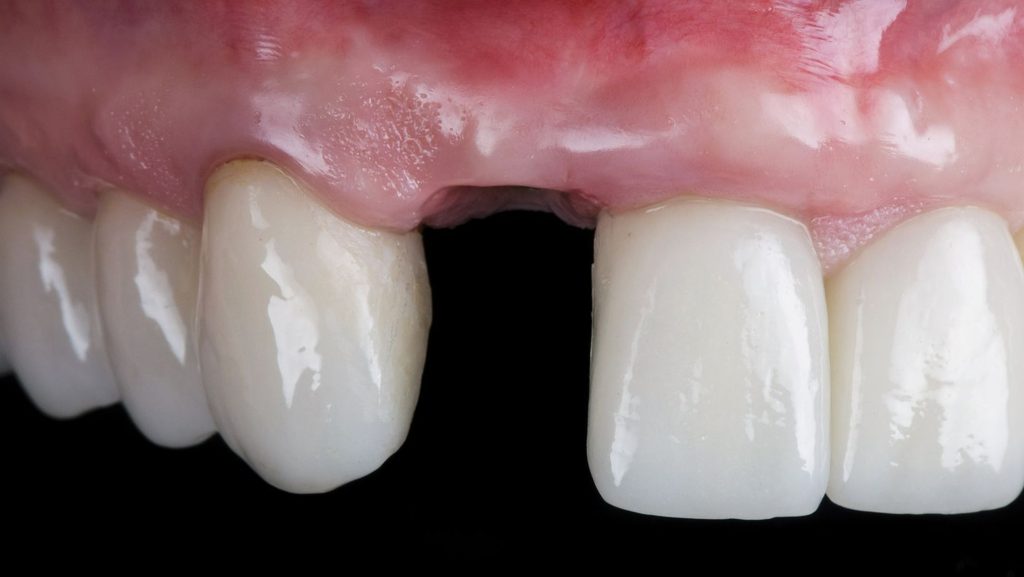
A misaligned bite gives your cheek or lip nowhere safe to sit. Teeth that don’t line up correctly, missing teeth, poorly fitted dentures, braces, or a sharp or chipped tooth edge can all push soft tissue directly into the path of your bite during normal chewing.
Constant accidental biting, especially if it’s new, frequently signals one of these mechanical issues rather than a psychological habit.
When Persistent Oral Changes Need a Professional Evaluation
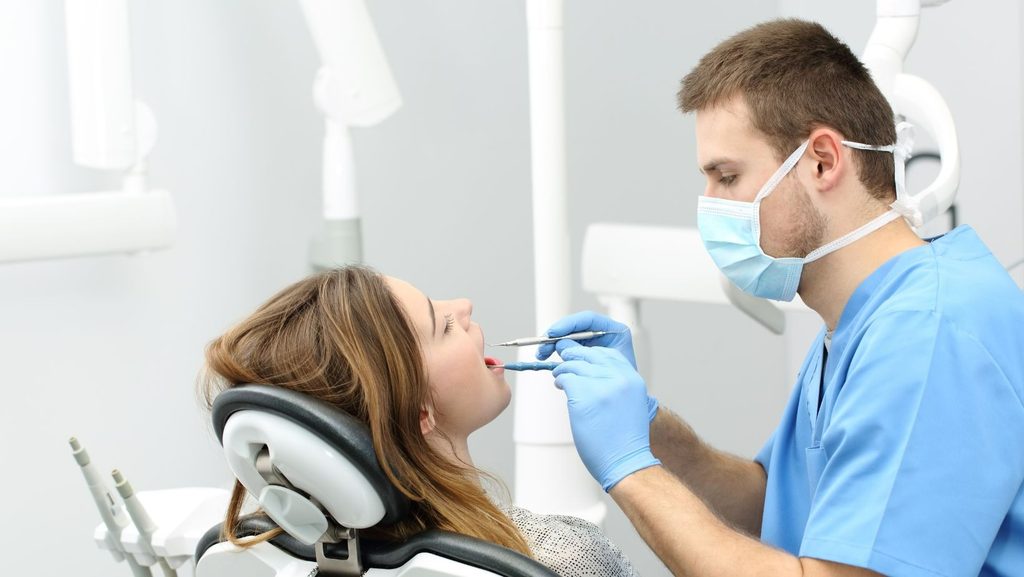
A sore that hasn’t healed within two to three weeks warrants a dental or medical evaluation. So does any lesion with white patches, hard edges, or unexplained bleeding, since those changes need to be checked against other causes of oral lesions.
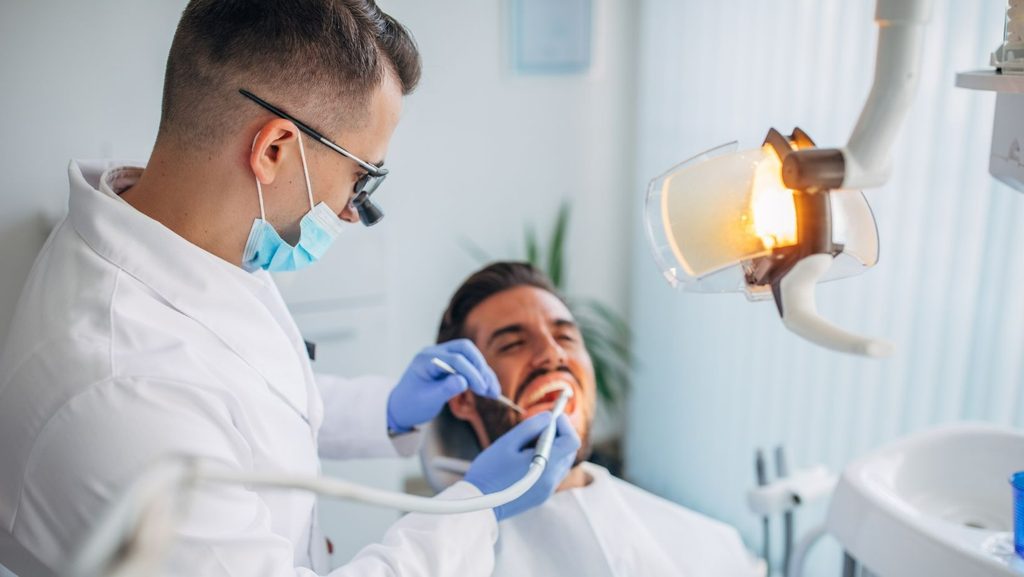
A dentist can also identify whether a bite misalignment or dental appliance is mechanically driving the injury.
Breaking the Biting Cycle and Protecting Healing Tissue
Stopping chronic lip and cheek biting means interrupting the habit and giving injured tissue a real chance to heal without a fresh bite reopening it. Most effective approaches combine awareness techniques with a physical barrier that keeps teeth away from soft tissue.
Habit-Awareness and Replacement Strategies
Noticing the behavior is the first step toward reducing it. Keeping a simple log of when biting happens (during stress, while reading, before sleep) helps reveal your personal triggers.
Replacement strategies that occupy the mouth or hands can reduce the urge:
- Chewing sugar-free gum instead of cheek or lip tissue
- Using a stress ball or fidget tool during tense tasks
- Practicing a brief pause-and-breathe response when you catch yourself biting
For habits rooted in stress or anxiety, working with a therapist familiar with body-focused repetitive behaviors can address the underlying trigger directly.
How Dental Splints Can Help
A dental splint or night guard creates a physical buffer between your teeth and the inside of your cheeks and lips. This matters most for biting that happens during sleep, when conscious control isn’t an option.
Custom-fitted guards, made by a dentist from an impression of your teeth, fit more precisely than generic store-bought versions and reduce shifting overnight. For biting linked to bite misalignment, correcting the underlying dental issue removes the mechanical cause entirely.
Reducing Irritation While Sores Heal
Removing the mechanical trauma is the actual treatment for these ulcers; medication alone won’t resolve them. Once biting stops, healing typically follows within one to two weeks.
In the meantime, a few habits ease discomfort:
- Rinsing with warm salt water after meals
- Avoiding acidic, spicy, or rough-textured foods that irritate the area
- Applying a dentist-recommended oral gel to reduce pain while tissue repairs
Persistent swelling can sometimes slow healing even after biting stops, which is another reason to involve a dentist if a sore lingers.
Addressing the Habit Can Help Mouth Sores Finally Heal
Chronic mouth sores that keep returning to the same spot rarely resolve on their own when the cause is repetitive biting. Recognizing the pattern, whether it traces back to stress, an unconscious habit, or a bite misalignment, opens the door to a real fix instead of another round of temporary relief.
A dental splint, a bite correction, or a simple awareness strategy addresses the mechanical trauma directly. Tissue that finally gets a break from repeated injury heals within weeks, and staying attentive to new triggers keeps the same sore from showing up again.