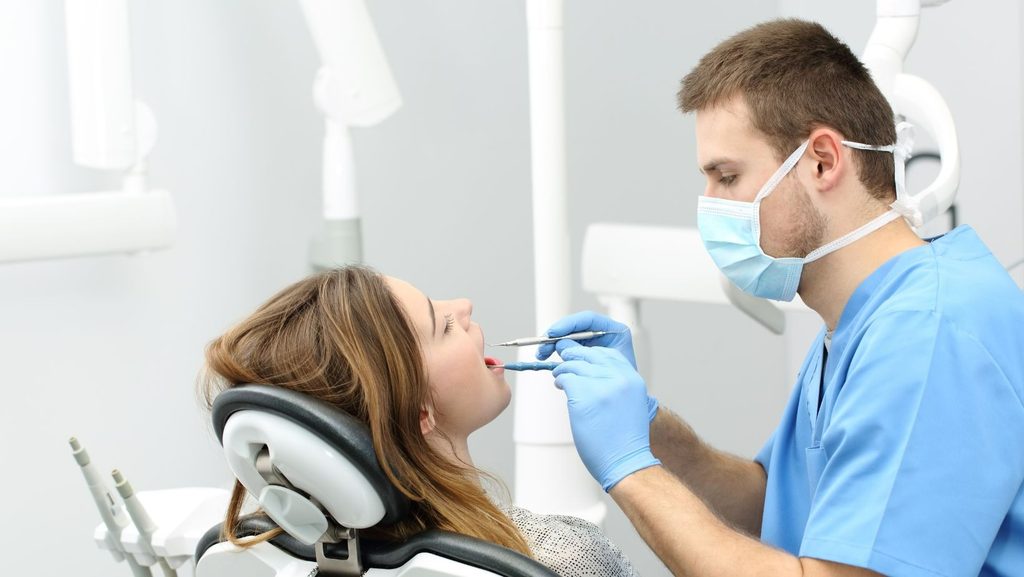
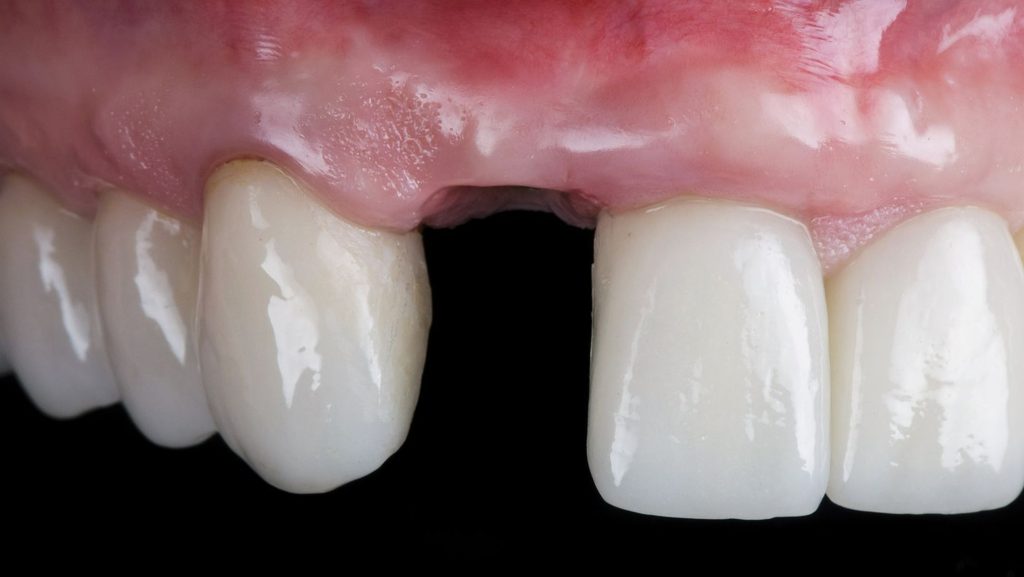
A single missing tooth does more damage below the gumline than most people realize. Within the first 12 months after a tooth is lost, the jawbone in that area can lose 25% or more of its width, and some patients lose closer to half the bone height in that same window. That shrinkage starts within weeks, not years, and it happens whether or not the gap is visible when you smile.
The jawbone stays dense because chewing forces travel through the tooth root and into the bone. Remove the tooth, and that stimulation disappears. The bone responds the way unused muscle does: it shrinks.
This matters beyond appearance. Bone loss changes what your dentist can offer when you’re ready to replace the tooth, and it can start a chain reaction affecting neighboring teeth and your bite. Waiting a year to schedule a single tooth implant in Delray Beach is a different clinical situation than waiting a month.
What Changes in the Jaw During the First Year?
The jawbone begins resorbing almost immediately after a tooth is lost, and the pace is faster in the early months than most patients expect. By the twelve-month mark, the socket area often looks and measures very differently than it did the week the tooth came out.
Why the Bone Shrinks Once the Tooth Root Is Gone
Bone is living tissue that rebuilds itself based on the forces placed on it. A tooth root transmits pressure from chewing directly into the surrounding bone, signaling the body to maintain density there.
Once the root is gone, that signal stops. The body starts reallocating the bone elsewhere, a process called resorption. Nothing replaces the stimulation a natural root provided, so the socket walls narrow and the ridge height drops.
How Much Width and Height Can Be Lost in 12 Months
The numbers are more dramatic than a slow, gradual decline. Research on extraction sites shows bone width can shrink by 30% to 60% within the first year, and roughly half of the bone volume immediately surrounding the socket can be gone by the twelve-month mark.
Height loss follows a slower but steady curve, often continuing well past year one. A jaw that loses 40-60% of its original height over a decade usually did much of that shrinking in the earliest stretch, then settled into a slower decline.
Why the Fastest Changes Often Happen Early
Roughly 30% of the total first-year bone loss occurs within just the first three months. That front-loaded pattern catches a lot of patients off guard, since the visible gum tissue often looks healed and settled long before the bone underneath has finished changing shape.
This is why dentists talk about a treatment window rather than an open-ended timeline. The bone available at month two is not the bone available at month twelve.
How Can One Missing Tooth Affect Your Smile and Bite?
One gap changes more than your smile line. It alters the shape of your gum tissue, invites nearby teeth to shift out of position, and narrows the field of options for replacing the tooth later.
Changes You May Notice at the Gumline
The gum tissue over a healed extraction site often looks sunken or flattened compared to the surrounding area. This “dip” reflects the bone loss happening underneath, since gum tissue follows the contour of the bone it sits on.
Patients frequently notice this change first as a cosmetic issue, especially in the front of the mouth. A collapsed ridge can make a future replacement tooth look longer or oddly shaped next to its neighbors.
When Nearby Teeth Begin to Drift or Tilt
Teeth next to a gap don’t stay put. Without a neighboring tooth for support, adjacent teeth can tilt into the empty space, and the opposing tooth in the other jaw may extrude, or grow slightly longer, since it no longer meets resistance when you bite down.
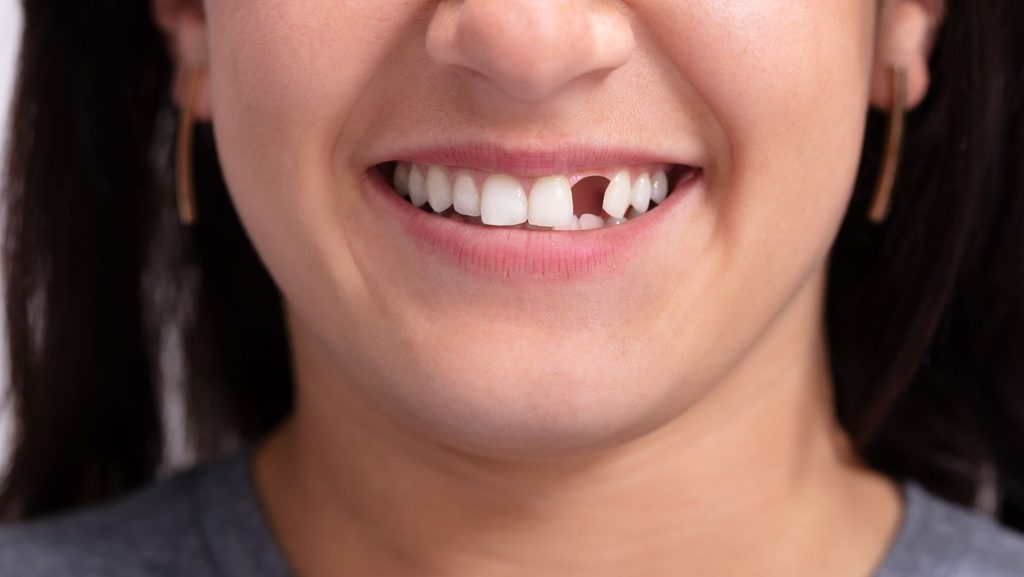
This drifting changes the bite pattern across the whole mouth, not just at the gap. Pressure gets redistributed to teeth that weren’t designed to carry it, which can accelerate wear and strain the jaw joint over time.
How Bone Loss Can Limit Future Tooth-Replacement Options
Less bone means fewer straightforward paths to a dental implant. Implants need a minimum amount of width and height to anchor securely, and a ridge that has lost significant volume may require bone grafting before an implant can be placed at all.
Waiting longer typically means more preparatory work, added appointments, and a longer overall timeline before the final restoration is in place.
Protecting Bone Before the Loss Becomes More Complex
Replacing a missing tooth with a dental implant is the only common option that replaces the root and keeps stimulating the bone the way a natural tooth did. Bridges and dentures fill the visible gap but sit on top of the gum tissue, so the bone underneath keeps shrinking even after the tooth is “replaced” cosmetically.
Why a Dental Implant Is Different From a Bridge or Denture
An implant post is placed directly into the jawbone, where it functions like a root and transmits chewing forces into the bone. That ongoing stimulation is what helps preserve bone volume long-term.
Bridges anchor to neighboring teeth, and dentures rest on the gum ridge. Neither transmits force into the bone the way a root does, which is why bone loss can continue underneath a bridge or denture even though the smile looks restored.
When Bone Grafting May Be Needed
Bone grafting adds material to a ridge that has narrowed or flattened too much to support an implant on its own. The graft acts as a scaffold, encouraging the body to rebuild some of the lost width and height over several months.
Grafting adds time and cost to treatment. It’s frequently the deciding factor in whether someone can move straight to an implant or needs a staged approach first.
How a Dentist Evaluates Bone Volume and Timing
A dentist typically uses a 3D scan (often a cone beam CT) to measure the exact width and height of bone at the site. This imaging shows whether there’s enough volume for an implant today, whether grafting is advisable, or whether waiting would only make grafting more extensive.
Timing conversations usually weigh how long the tooth has been missing against the bone measurements on the scan. A gap that’s four months old and a gap that’s four years old rarely require the same treatment plan.
Acting Within the First Year Can Preserve More Options
Bone loss after a missing tooth moves fastest in the early months and continues, more slowly, for years afterward. Addressing the gap within the first year, ideally with a dental implant, gives you the best chance of avoiding bone grafting and keeping treatment simpler.
The gum tissue can look healed long before the bone underneath has stabilized, which is part of why this issue goes unnoticed for so long. A consultation with a dentist, including a 3D scan of the site, is the clearest way to know exactly how much bone remains and which replacement options are realistically on the table.