A cross-country move rarely lines up neatly with a dental implant timeline that already spans several months. If you move cities mid-treatment, your existing implant plan can almost always transfer to a new provider, but the stage you’re in when you relocate determines whether that’s a simple handoff or a more involved restart. A patient who has just had the implant placed and is waiting out the healing period faces a very different situation than someone whose crown was scheduled for the following week.
Dental implant treatment happens in stages, and each one depends on the work done before it. Imaging, surgical placement, osseointegration, and the final restoration all build on records and measurements specific to your mouth and your original provider’s approach. Moving between any of these stages introduces questions about record transfers, timing, and whether a new dentist needs to reassess before moving forward.
None of this means your treatment is derailed. It means you need a plan for handing off care correctly, protecting the implant site in the meantime, and understanding what a new provider, such as a practice offering dental implants in Minot, ND, will need before they pick up where the last one left off.
How a Move Can Affect Your Implant Timeline
A move’s impact on your implant depends heavily on which phase of treatment you’re in and how far along healing has progressed. Early-stage patients generally transfer with minimal disruption, while those mid-healing or close to final restoration need more careful coordination to avoid setbacks.
Which Stage of Treatment Are You In?
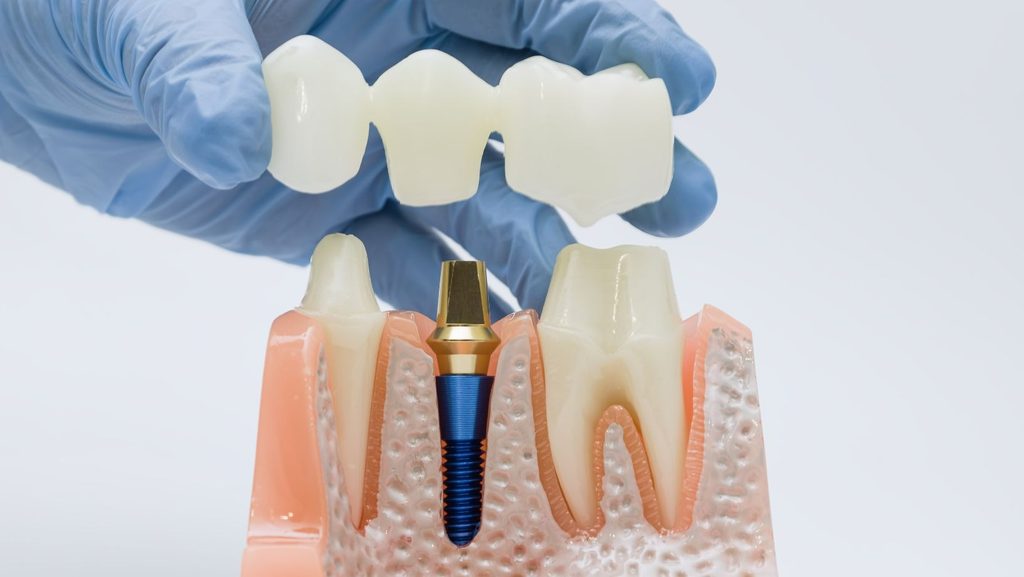
Your treatment stage at the time of the move determines nearly everything about how smoothly the transfer goes. Implant treatment typically breaks down into distinct phases: initial consultation and imaging, tooth extraction (if needed), implant placement surgery, a healing and osseointegration period lasting several weeks to a few months, and finally the abutment and crown placement.
If you’re moving before surgery, a new provider can often start fresh with your existing scans and treatment notes. If you’ve just had the implant placed and are in the early healing window, timing your move around follow-up visits becomes important. If you’re near the finish line, waiting a few weeks to complete the crown before relocating may save you a second full evaluation.
Can Another Dentist Continue the Same Treatment Plan?
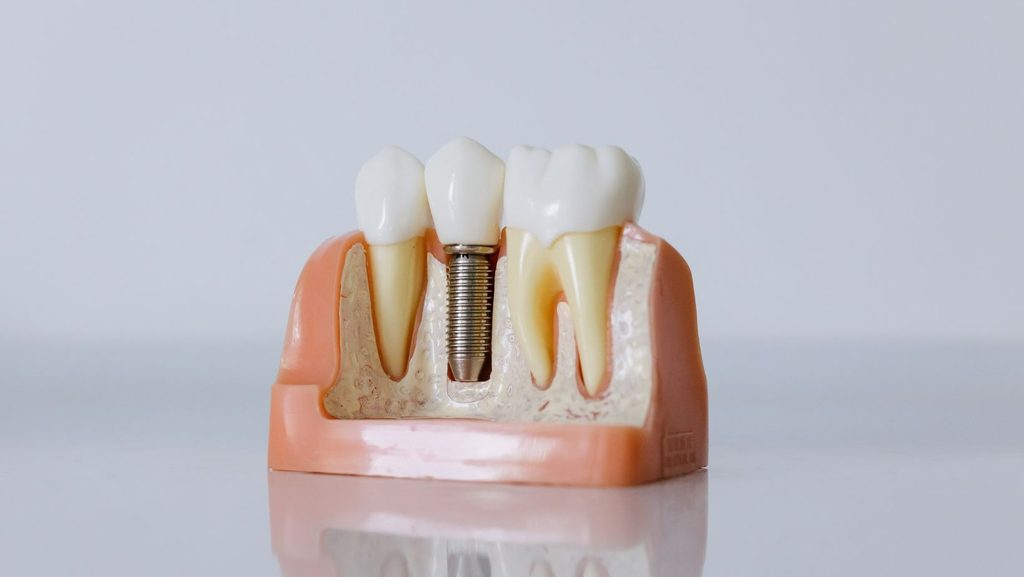
Yes, another qualified dentist or oral surgeon can generally continue an implant treatment plan started elsewhere, provided they receive complete records and confirm the implant is healthy. Implant systems are made by a limited number of manufacturers, and most general dentists and specialists are trained to work with common brands like Straumann, Nobel Biocare, or Zimmer Biomet.
The new provider will need to identify the exact implant system, size, and placement details before proceeding. Without this information, they may need to take new scans or, in rare cases, recommend starting the restorative phase over.
Why Healing and Implant Stability Cannot Be Rushed
Osseointegration, the process where the implant fuses with your jawbone, follows a biological timeline that no provider can accelerate to fit a moving date. This process generally takes six to twelve weeks in the lower jaw and slightly longer in the upper jaw, depending on bone density and the individual’s healing response.
Attempting to place a crown before the implant has fully integrated risks implant failure. A new dentist evaluating a transferred patient will check stability before agreeing to move forward, regardless of how close the original timeline was to completion.
How to Transfer Your Care Safely
Transferring implant care safely means gathering the right records, establishing direct communication between your old and new dental offices, and confirming exactly what work remains before your next appointment. Skipping any of these steps risks delays, duplicate imaging costs, or a provider unwilling to proceed without more information.
Records Your New Implant Provider Will Need
Complete records give your new dentist everything they need to assess where treatment stands without repeating work unnecessarily. At minimum, request:
- Panoramic and 3D CBCT scans used for the original treatment plan
- Implant system manufacturer, model, and size (often documented on a implant card or sticker from surgery)
- Surgical notes detailing placement depth, angulation, and any grafting performed
- Healing progress notes and photos from follow-up visits
- Any lab prescriptions or digital scans already taken for the crown or abutment
Dental offices are required to release your records upon request, even if you have an outstanding balance with the practice.
How to Coordinate Care Between Dental Offices
Direct communication between your outgoing and incoming dental offices reduces the chance of gaps or miscommunication. Ask your current provider to send records directly to your new dentist’s office rather than routing everything through you, since files can be large and require secure transfer methods.
Schedule your new-patient consultation before your move if your schedule allows it. Some practices offer virtual consultations to review your case and confirm they can accept the transfer before you’ve physically relocated.
What Happens if Your Crown or Abutment Is Not Placed Yet
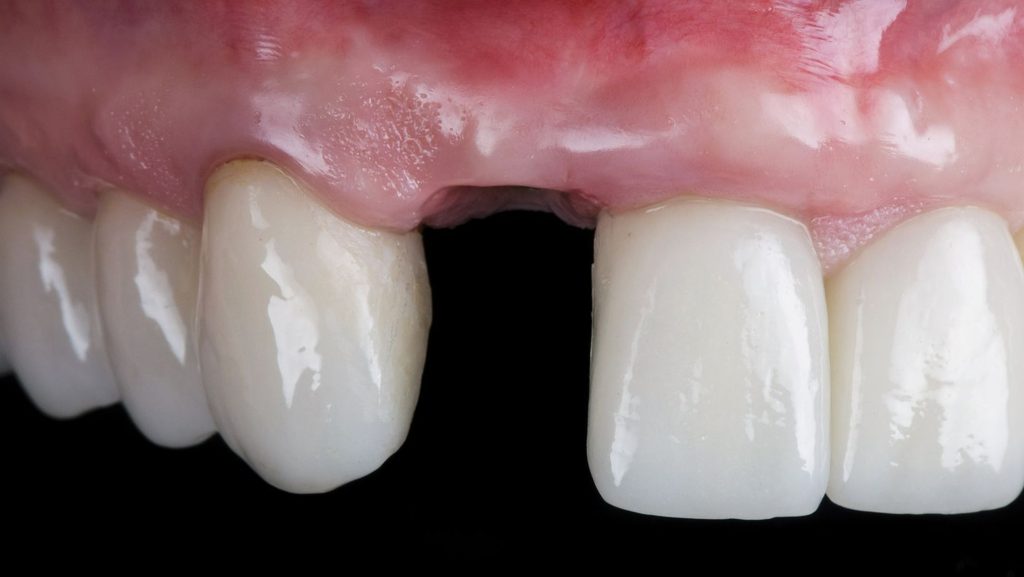
If the implant is placed but the crown or abutment hasn’t been attached, a new provider will need to verify the implant has integrated properly before completing the restoration. This typically involves a clinical exam and possibly a new scan to confirm stability, even if healing time has technically elapsed.
Impressions or digital scans for the crown often need to be retaken locally, since lab work is frequently coordinated through the original practice’s specific dental laboratory. Expect this step even if your prior provider had already started the restorative process.
When a New Exam or Treatment Plan Is Necessary
A new provider will almost always want to perform their own clinical exam, even with complete records in hand, to confirm the implant site looks healthy and matches what was documented. This is standard practice for any dentist accepting a transferred patient, not a sign that something went wrong.
A full treatment plan revision becomes necessary if imaging is outdated, if complications developed during the gap in care, or if the new provider uses a different implant system than what’s already placed. In these cases, expect an additional consultation fee and possibly new imaging before proceeding.
Keeping Your Implant Treatment on Track After a Relocation
Keeping your implant treatment on schedule after a move comes down to protecting the surgical site during any gap in care, understanding what delays can mean for healing, and budgeting for costs your insurance may not fully absorb. Planning these details before you move prevents avoidable complications.
Protecting the Implant Site During a Gap in Care
A short gap between providers is manageable if you maintain good oral hygiene and avoid putting pressure on the implant site. Continue rinsing as directed, avoid chewing directly on the implant area if it’s still healing, and keep any temporary restoration clean and intact.
Contact a local dentist promptly if you notice swelling, persistent pain, or a loose temporary crown during the transition. Waiting too long to establish care with a new provider increases the risk of an undetected problem going unaddressed.
What Delays May Mean for Bone and Gum Health
Extended delays between implant placement and final restoration can allow gum tissue to shift or, in rare cases, allow adjacent teeth to drift slightly into the space. A few extra weeks generally causes no lasting issue, but a delay stretching several months warrants a fresh evaluation of the site before finishing treatment.
Bone healing itself isn’t harmed by taking longer than expected, since osseointegration continues regardless of when the crown gets placed. The larger risk comes from skipping follow-up visits, which are how dentists catch early signs of infection or implant instability.
Planning for Added Costs, Insurance Changes, and Follow-Up Visits
Switching providers mid-treatment often introduces added costs for new imaging, a new-patient exam, or lab fees if impressions need to be retaken. Ask your new dental office for a written estimate before your first appointment so you know what’s covered by your original payment and what’s new.
Dental insurance plans vary by state and by employer, so moving may mean starting a new plan year or working with a different network entirely. Call your insurance provider before the move to confirm whether your new dentist is in-network and whether any waiting periods apply to implant-related procedures.
Follow-up visits matter even after the crown is placed. Build a relationship with your new local dentist for the periodic checkups that keep an implant healthy for years to come.
A Coordinated Transfer Helps Protect Your Implant Investment
Moving cities during implant treatment doesn’t have to mean starting over. The stage you’re in at the time of the move, the completeness of your records, and how quickly you establish care with a new provider all shape how smooth the transition turns out to be.
Requesting your full records early, scheduling a consultation before or immediately after your move, and staying attentive to the implant site in the meantime keeps your treatment on a safe path. A dental implant represents a significant investment of time and money, and a well-coordinated transfer between offices is what protects that investment through a relocation.