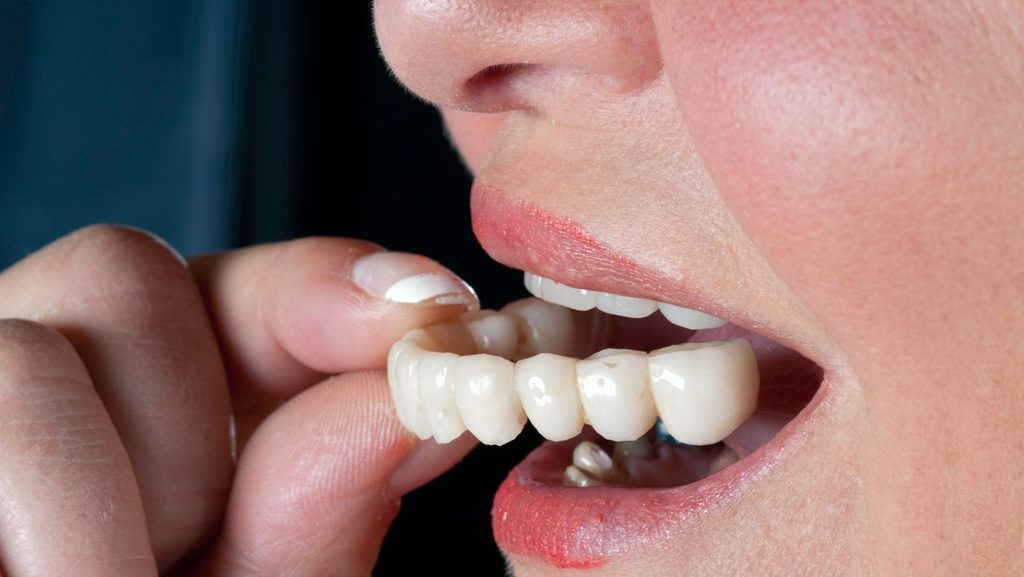
Leaving surgery with a full set of fixed teeth feels like the finish line. It rarely is. For patients getting full mouth dental implants in Greenville, SC, the teeth you walk out with, often called a provisional or temporary bridge, are a functional placeholder while your implants and gum tissue heal underneath them.
Your final restoration comes later, built from updated measurements, refined shade matching, and lessons learned from how you spoke, chewed, and smiled during the temporary phase. The gap between the two isn’t a delay in your treatment; it’s a working draft that shapes the final result.
Patients who understand this distinction going in tend to feel less anxious about the months between surgery and the final bridge. Knowing what to expect, and what to flag to your dental team along the way, makes the difference between a smooth transition and unwanted surprises at the finish line.
Why Your Temporary Bridge Is Not a Preview of the Final Smile
Your temporary bridge serves healing, not final aesthetics. It’s built quickly, often the same day as implant surgery, using preliminary measurements taken before your gums and jawbone have settled into their healed shape.
What Provisional Teeth Are Designed to Do
Provisional teeth protect your implants while osseointegration happens beneath the surface. They restore basic chewing function, give your speech muscles something to work with, and keep your gum tissue shaped around the eventual position of your final teeth.
Most provisionals are made from PMMA, a lightweight acrylic that’s easy to adjust chairside. It’s not built for decades of wear. It’s built to be modified, refined, and eventually replaced.
Why Healing Changes the Measurements for Your Permanent Bridge
Your gum and bone tissue shift as they heal, sometimes for three to six months after implant placement. Swelling goes down, tissue contours settle, and the soft tissue around each implant matures into its final shape.
Taking final impressions before that healing finishes would lock in measurements that no longer match your mouth. That’s why your dental team waits, then remeasures, before designing the permanent bridge.
What Changes When You Receive the Final Restoration
The final restoration upgrades nearly every dimension of your temporary bridge: the material, the fit, the bite, and often the visible shape of your smile.
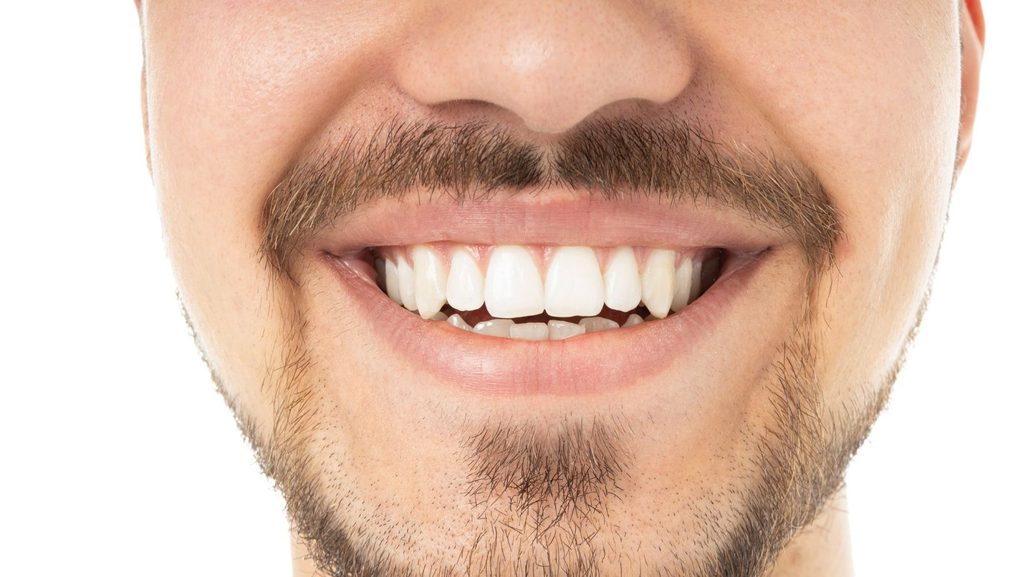
Each of these changes gets calibrated using data collected during the weeks you spent wearing the provisional.
Materials, Fit, and Durability
Final bridges are typically milled from zirconia, a material far stronger and more stain-resistant than the acrylic used in temporaries. Zirconia holds its shade for years and withstands daily chewing forces that would wear down a PMMA provisional.
Fit improves too. The final prosthesis is fabricated from impressions or digital scans taken after your tissue has fully healed, so the framework meets your gums with tighter, more precise contact than the temporary ever had.
Bite, Speech, and Everyday Function
Your bite gets fine-tuned based on how you actually chewed during the provisional phase. If you were biting unevenly on one side or your temporary teeth felt too thick against your tongue, your dentist adjusts the final design to correct it.
Speech often improves as well. Tooth length and the angle of the front teeth affect how air moves past your tongue and lips, which shapes sounds like “s” and “f.” Small adjustments made based on your provisional experience can meaningfully sharpen speech clarity in the final bridge.
How the Temporary Phase Helps Refine Your Smile Design
The temporary phase functions as a live test drive for your new smile. You get to see how your teeth look in photos, how your lips rest against them, and whether the length and shape match your face before the design gets finalized in zirconia.
Any changes you request, such as shorter teeth, a different shade, or more visible tooth show when you smile, get folded into the final prosthesis. That feedback loop is the main reason the temporary phase exists at all.
Preparing for a Successful Transition to Permanent Teeth
A smooth transition depends on watching for specific issues during healing and asking the right questions before your final bridge is designed. Most of that responsibility falls on communication between you and your dental team during the weeks you’re wearing the provisional.
How Long the Healing Phase Usually Lasts
Healing after implant placement generally runs three to six months before the final bridge is fabricated. Lower-jaw implants tend to integrate faster than upper-jaw implants, since bone density differs between the two.
Your dentist confirms readiness with imaging and a clinical check of implant stability, not just a calendar date. Rushing this stage risks a final bridge that doesn’t fit the tissue as it continues settling.
What to Report During the Temporary Phase
Report anything that feels off with your provisional promptly, since it directly informs the final design. Flag these issues as they come up:
- Sore spots or pressure points on your gums
- Teeth that feel too long, short, or bulky against your lips or tongue
- Difficulty pronouncing certain sounds
- Uneven pressure when you bite down
- Any looseness or movement in the provisional bridge
Questions to Ask About Your Final Prosthesis
Ask specific questions before your final impressions are taken, since the answers shape both the fit and the long-term maintenance of your new teeth. Useful questions include:
- What material will the final bridge be made from?
- How will you match the shade to look natural next to my remaining teeth?
- Will the bite be adjusted based on how I’ve been chewing with my temporary?
- What maintenance will the final prosthesis need at home and in-office?
- How will you clean and check the implants once the final bridge is placed?
Using the Temporary Phase to Build a Better Final Smile
Treating the provisional stage as feedback, not a finished product, gives you real influence over your final smile. Every adjustment request you make now, whether about tooth length, bite comfort, or speech clarity, gets incorporated into the design of your permanent bridge.
Keep a simple log of issues as they come up rather than waiting until your next appointment to remember them. Small details, like a whistle when you say certain words or a spot that rubs your cheek, are easy to fix early and harder to recall weeks later.
The months you spend in temporary teeth are working in your favor, refining fit, function, and appearance before the final material is locked in.