If you live near Buffalo, Erie, Cleveland, or anywhere downwind of the Great Lakes, you already know that a clear morning can turn into a whiteout by lunch. Lake-effect snow bands form fast and hit hard in narrow strips, which makes them one of the most disruptive weather patterns for anyone trying to keep a scheduled dental appointment between November and March.
That unpredictability has a real effect on dental implant consultations, especially for patients planning dental implants in West Seneca, NY and other Buffalo suburbs. Getting an implant already takes multiple visits spread across months, and losing even one appointment to a surprise storm can push back imaging, referrals, and treatment planning further than patients expect.
Lake-effect snow delays more implant consultations than people realize because the storms are hyper-localized and short-notice, making it hard for patients and dental offices alike to plan travel even a day in advance. Understanding how these storms form, and how to work around them, keeps your implant timeline from stretching out longer than it needs to.
How Lake-Effect Snow Disrupts Consultation Appointments
Lake-effect snow disrupts consultations because it strikes in narrow, fast-forming bands that standard forecasts struggle to pin down. A patient ten miles from the dental office might face bare roads while the office itself sits under two feet of snow within a matter of hours.
Why Narrow Snow Bands Make Travel Plans Unreliable
Lake-effect snow forms when cold, dry air moves over the relatively warm, open water of a Great Lake, picking up moisture and dumping it as intense snowfall downwind. The bands that result are often just a few miles wide, meaning one neighborhood gets buried while a nearby town stays clear.
This localized pattern makes general weather forecasts nearly useless for appointment planning. A forecast might call for “scattered snow showers” and still deliver a foot of snow on one specific road corridor.
Wind direction shifts can also relocate the heaviest band with little warning, so a route that looked clear the night before can become impassable by morning.
How Weather Cancellations Create Scheduling Backlogs
A single snow day rarely causes just one cancellation. Dental offices in lake-effect zones often see a cluster of no-shows and reschedule requests whenever a storm rolls through, since patients across a wide service area are affected at different times.
That cluster creates a backlog. Front-desk teams have to slot rescheduled consultations in around already-booked appointments, and implant consultations, which tend to run longer than routine cleanings, are harder to fit into open slots.
Offices that see heavy winter cancellations sometimes push non-urgent rescheduling into weeks with lighter snow probability, which can add real time to a patient’s overall consultation window.
Planning a Dental Implant Consultation During Winter
You can protect your implant timeline by identifying which parts of the consultation truly require an in-person visit and which don’t. Splitting the process this way keeps momentum going even when travel becomes risky.
Which Parts of an Implant Consultation Can Be Handled Remotely
Health history review, insurance verification, and initial questions about candidacy can often happen by phone or video call. Many offices will also review prior X-rays or scans electronically before you ever step into the building.
This groundwork doesn’t replace the clinical exam, but it means a snow delay doesn’t have to stall the entire process. When the in-person visit finally happens, the appointment can focus on the physical exam and imaging instead of starting from scratch.
When an In-Person Examination Should Be Rescheduled
An in-person exam should be rescheduled any time road conditions put your safety at risk, not just when the office is technically open. Lake-effect bands can create whiteout conditions and drifting snow on specific roads even when a larger regional forecast looks manageable.
Bite impressions, 3D imaging for implant placement, and the physical oral exam all require you to be in the chair. These are not the appointments to push through in questionable conditions.
If a storm warning covers your travel window, call ahead. Most practices would rather move your slot than have you attempt a dangerous drive.
What to Ask Your Dental Office Before a Snow Event
Ask how the office handles storm-related cancellations before winter weather hits, not during it. A few direct questions save time later:
- Does the office offer phone or video pre-consultations for new implant patients?
- What is the typical wait time for a rescheduled slot during peak snow months?
- Can imaging or lab work be scheduled on a separate day from the clinical exam?
- Is there a cancellation policy that waives fees for weather-related no-shows?
Getting these answers early lets you build a backup plan into your original scheduling.
What a Delayed Consultation Means for Your Implant Timeline
A short weather delay rarely changes whether you qualify for an implant, but it can add weeks to an already multi-month process. Dental implants typically take four to twelve months from consultation to final crown depending on whether bone grafting is needed, so a two-week snow delay is a small percentage of the total timeline, but it can still push back downstream steps like referrals and insurance approval.
Does a Short Delay Affect Dental Implant Candidacy?
A delay of a few weeks does not change most patients’ candidacy for a dental implant. Bone density, gum health, and overall oral health don’t shift meaningfully over a short window.
Longer delays matter more. Research on implant delays shows that waiting months or years, particularly after an extraction, can lead to bone loss at the site, which may require grafting that wasn’t originally necessary. A snow-related postponement of a few weeks sits far from that threshold, but it’s still worth getting back on schedule promptly rather than letting one delay turn into several.
How to Keep Referrals, Imaging, and Insurance Steps Moving
Referrals, imaging, and insurance pre-authorization can often move forward even while your in-person exam is on hold. Ask your general dentist to send referral paperwork to the oral surgeon or periodontist as soon as it’s ready, rather than waiting for your rescheduled visit.
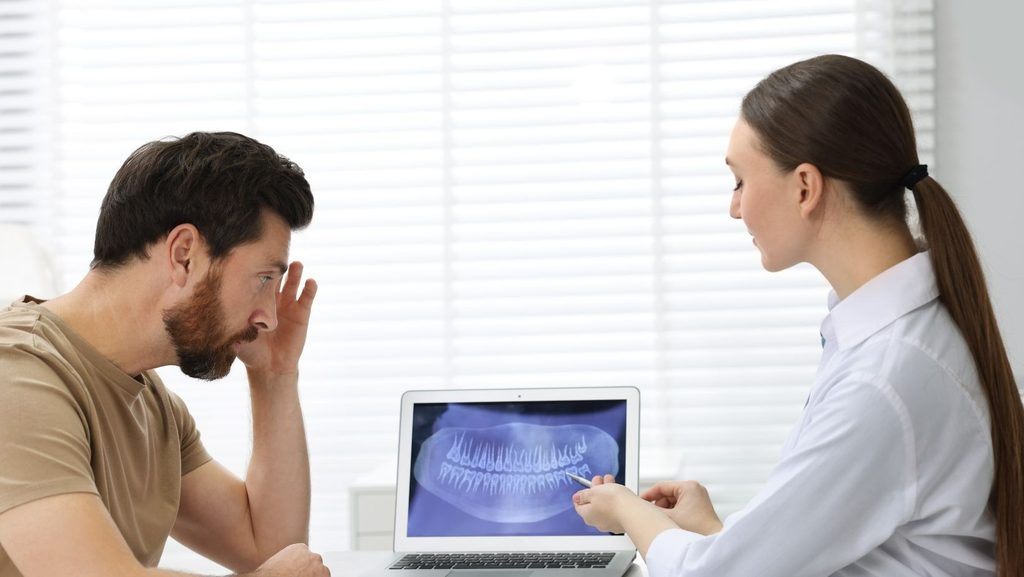
Insurance pre-authorization is another step that doesn’t require you to be in the office. Many practices can submit the paperwork using existing records and diagnostic images.
If you already have a CT scan or panoramic X-ray on file, ask whether it can be forwarded to the specialist ahead of your visit. That way, when the roads clear, the appointment can focus on decisions instead of paperwork.
Preparing Early Keeps Winter Weather From Extending Care
Booking your implant consultation before peak lake-effect season, generally October or early November, gives you a buffer before the heaviest snow bands set up. Waiting until January to start the process means your very first appointment is at the mercy of the most volatile stretch of winter weather.
Building flexibility into your plan matters more in a lake-effect zone than almost anywhere else in the country. Ask about remote pre-screening, confirm the office’s storm rescheduling policy, and get referrals and imaging moving as early as possible.
None of this guarantees a storm won’t disrupt a single appointment. It does mean that one bad forecast doesn’t have to add months to a process that already takes time to complete.