Table of Contents
ToggleReaching your last aligner tray does not mean your treatment is finished. Roughly 30% of Invisalign patients get sent back for a second round of aligners called refinements, and most patients hear about this possibility only after they’re already wearing them. Refinement trays typically add 2 to 6 months to treatment because they require a new scan, a new manufacturing cycle, and a fresh set of trays to correct movements the original plan didn’t fully achieve.
That gap between the original treatment estimate and the actual finish date catches people off guard, especially when a provider quoted a tidy 12-month or 18-month timeline up front. The extra months are not a sign that something went wrong. They’re a routine part of how clear aligner treatment reaches its final result.
If you’re starting or already wearing Invisalign in Spring Hill, TN, knowing why refinements happen, what causes them, and whether they cost extra puts you in a better position to plan around the delay instead of being surprised by it.
What Refinement Trays Are and When They Begin
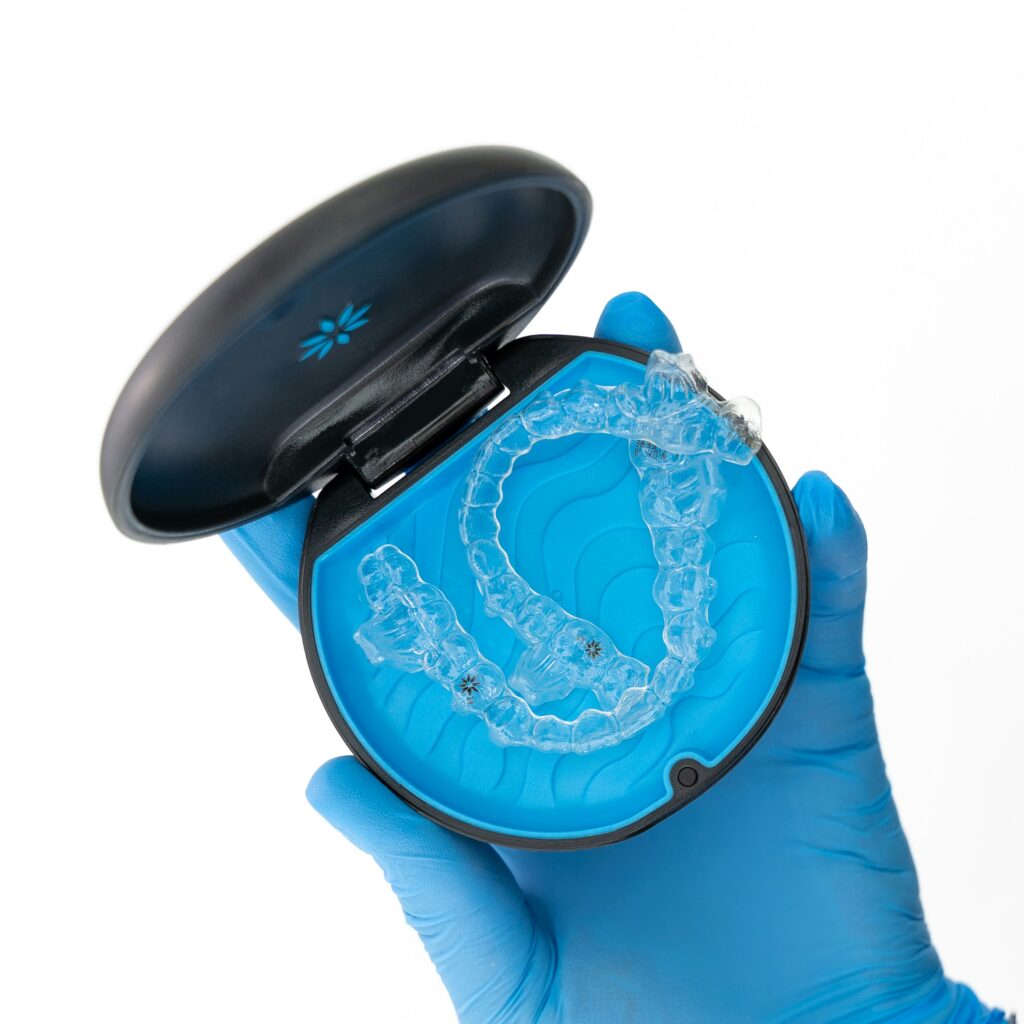
Refinement trays are a second series of aligners issued after your original set is complete, designed to fine-tune tooth positions that didn’t land exactly where the digital plan predicted. They begin with a new scan or impression once you’ve finished your last original tray, not before.
Why Reaching the Last Original Tray Is Not Always the Finish Line
Finishing your last tray means you’ve completed the original plan, not that your teeth match it precisely. Aligner trays move teeth in small increments, and by the final trays in a long series, minor gaps between the plan and reality tend to accumulate. A dentist or orthodontist checks for these gaps at what’s often called your “final” appointment, which in many cases is actually a checkpoint rather than an end point.
Common findings at this stage include a tooth that didn’t rotate fully, a bite edge that’s slightly off, or spacing that needs one more push. None of these indicate a failed treatment. They indicate the plan needs a second phase to finish the job.
How a New Scan Turns Into a Refinement Plan
Your provider takes a new digital scan or impression of your teeth as they currently sit, not as they were when treatment started. That scan gets sent back to Invisalign’s lab, where a new set of movement stages is calculated based on the distance between where your teeth are now and where the original plan wanted them.
The output is a new short series of trays, usually 5 to 15 of them, mapped out the same way your original series was. You’ll go through fitting and check-ins again, just on a smaller scale.
Where the Added Treatment Time Comes From
The added months come from three overlapping factors: the manufacturing wait for new trays, the extra number of trays needed even for small corrections, and any bite or attachment issues that surface late in treatment. Each one adds real time on its own, and most refinement cases involve more than one of them at once.
The Wait Between Rescanning and Receiving New Aligners
New refinement trays don’t arrive overnight. After your provider submits the new scan, Invisalign’s lab has to process the case, generate new tray designs, and manufacture and ship the physical aligners, a cycle that commonly takes two to four weeks before you even start wearing them.
During that wait you’re often not wearing any aligner at all, or you’re told to keep wearing your last tray as a placeholder. Either way, that stretch adds to your calendar without moving your teeth.
Why Small Tooth Movements Still Need Multiple Trays
A single tooth that’s a few degrees off its target still needs a full sequence of trays to move safely. Aligners shift teeth gradually to avoid pain and root damage, so even a minor correction gets broken into multiple stages rather than one big jump.
That’s why a refinement round addressing what feels like a small leftover issue still runs 5 to 15 trays. Each tray typically stays in place for one to two weeks, which is how a “minor” refinement still adds one to three months of wear time.
How Bite Corrections, Attachments, and Tracking Extend the Timeline
Bite issues discovered late in treatment often need more trays and more time than cosmetic gaps alone. If your molars aren’t meeting correctly, or if a tooth needs a new attachment (the small tooth-colored bumps that give aligners grip) to generate enough force, your provider has to build that into the refinement plan from scratch.
Attachments placed partway through refinement can mean an adjustment visit mid-round, not just at the start. Teeth that were slow to track in the original series often need closer monitoring in the refinement phase too, which can mean more frequent check-ins and, occasionally, a second refinement round if tracking issues repeat.
What Determines Your Extra Time and Cost
Your added time and cost depend on how closely your teeth followed the original digital plan, how consistently you wore your aligners, and what kind of Invisalign plan you’re on. These three factors interact, so two patients with the same starting smile can end up with very different refinement experiences.
Why Teeth Do Not Always Move as the Digital Plan Predicts
Digital treatment plans model tooth movement mathematically, but biology doesn’t always cooperate with the model. Root shape, bone density, and the natural resistance of certain tooth movements (rotating a rounded tooth, for instance) mean some teeth lag behind the predicted pace no matter how well the plan was designed.
This is a known limitation of aligner therapy generally, not a sign of a poorly executed plan. Providers who’ve run many cases build refinement into their expectations from the start rather than treating it as an exception.
How Wear Time and Early Tracking Problems Affect Refinements
Wear time below the recommended 20 to 22 hours a day is the single biggest controllable factor in whether you’ll need refinements. Trays that come off for meals, sports, or forgotten evenings don’t get the steady pressure needed to hit each stage on schedule.
Tracking problems early in treatment tend to compound. A tray that doesn’t seat fully in month two can throw off fit for every tray after it, and by the end of the series that mismatch shows up as a refinement need. Going into a refinement round with stricter wear habits than before helps the new trays work as designed.
Are Additional Aligners Included in Your Invisalign Fee?
Refinements are usually included at no extra charge under Invisalign Comprehensive plans, which cover full treatment with unlimited or high tray counts. Invisalign Lite and Express plans, built for smaller cosmetic corrections with fewer trays, often cap how many refinement sets they include.
| Plan Type | Typical Refinement Coverage |
| Invisalign Comprehensive | Usually included, no added fee |
| Invisalign Lite | Limited refinement sets |
| Invisalign Express | Limited refinement sets |
Ask your provider directly what your specific plan covers before treatment starts, since policies vary by practice as well as by plan type.
A Longer Finish Can Still Deliver the Planned Result
Refinement trays add time, but they exist to make sure your final result actually matches the plan you agreed to at the start. A treatment that finishes in 14 months instead of 11, with one refinement round included, still lands you at the smile the original scan projected.
The months added by refinements are the mechanism that closes small gaps between plan and reality, not evidence that the plan failed. Going into the process expecting a possible refinement round, keeping wear time consistent, and asking your provider what’s included in your specific plan puts you in a position to treat the extra months as a normal step rather than an unwelcome surprise.