When a Palm Harbor dentist says a bone graft needs more than a routine fix, the next question is usually where to get it done. Patients with complex grafting needs, including major ridge reconstruction or sinus lift procedures, often choose Tampa-based oral surgery specialists because these practices maintain the imaging technology, surgical volume, and coordinated implant workflows that extensive bone loss cases require. A straightforward socket graft rarely demands a trip across the county line. A jaw that has lost significant height, width, or sinus floor clearance is a different situation.
Palm Harbor has solid dental and periodontal practices, and many that offer dental implants in Palm Harbor, FL handle grafting well. Complex cases, though, often benefit from a surgical team that performs ridge augmentation and sinus grafting on a regular basis, with the diagnostic tools and sedation options built specifically for longer, more involved procedures.
This article looks at what actually makes a graft “complex,” what Tampa specialists tend to offer that a smaller local office might not, and how to compare providers before committing to a treatment plan.
When Does Bone Grafting Become Complex?
Bone grafting becomes complex when the jaw has lost enough bone volume that a standard graft won’t reliably support an implant, or when the surgical site borders sensitive anatomy like the sinus cavity. The amount of bone available, its location in the mouth, and how long ago the tooth was lost all factor into whether a case stays simple or requires advanced planning.
Bone Loss After Extraction, Gum Disease, or Injury
Jawbone starts resorbing soon after a tooth is lost, since the bone no longer receives stimulation from chewing forces. Gum disease accelerates this by breaking down the bone supporting existing teeth. Trauma or injury can cause sudden, uneven bone loss that’s harder to predict without imaging.
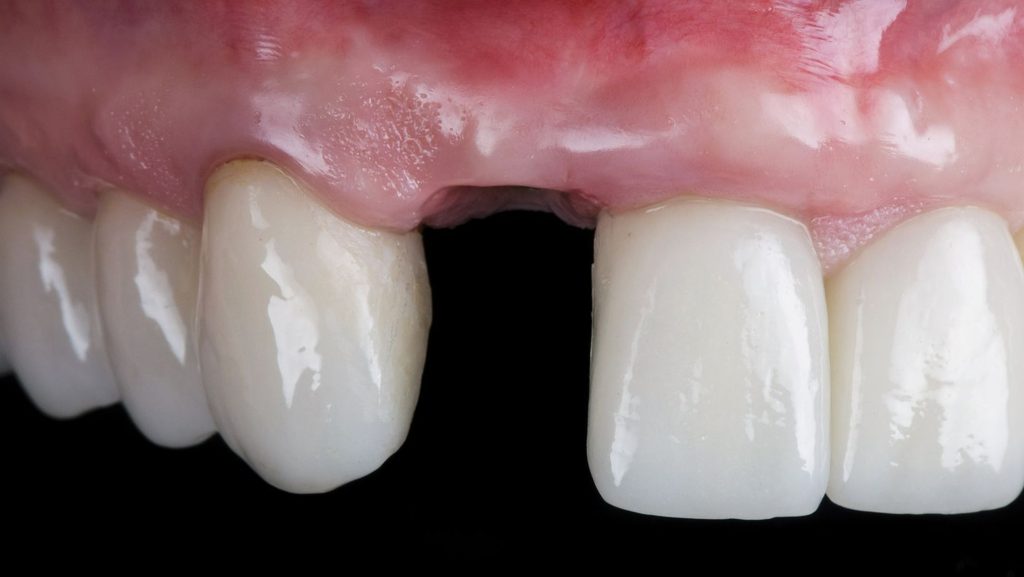
A tooth extracted years earlier often leaves a ridge too thin or too short for an implant to anchor properly. In these cases, a graft is placed next to the existing bone and given time, sometimes up to six months, to fuse before an implant can be considered.
When Implant Sites Need More Height or Width
Implants need a minimum volume of solid bone in three dimensions to stay stable long-term. When a ridge lacks sufficient height or width, a larger structural graft is required instead of a simple fill.
This type of case often calls for ridge augmentation, a more involved procedure than a single-site graft. It typically adds several months to the overall implant timeline while the new bone matures.
Why Upper Back-Jaw Cases May Require Sinus Grafting
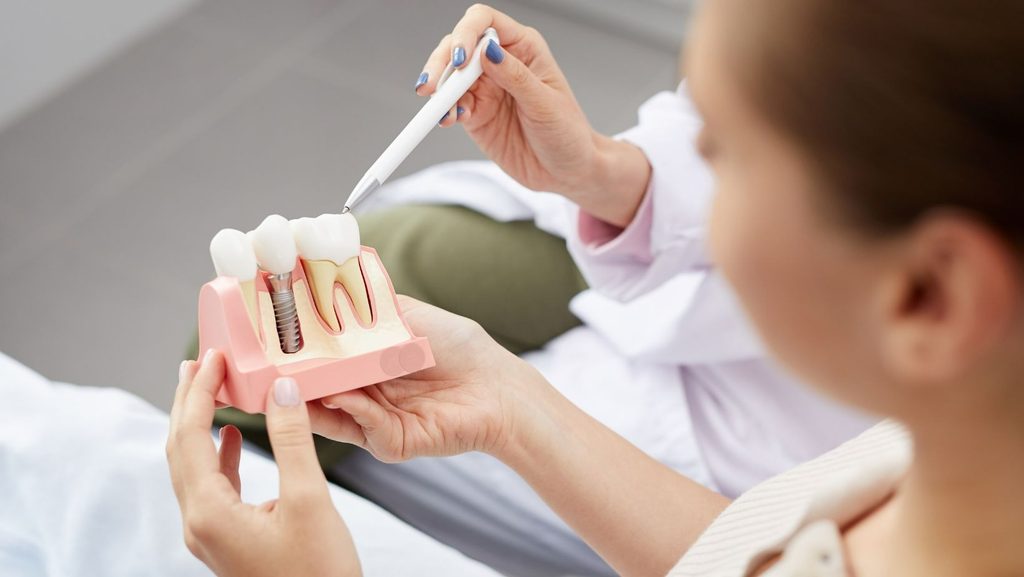
Upper back-jaw implants sit close to the maxillary sinus, and thin bone in that region can make standard implant placement unsafe. A sinus lift raises the sinus floor and packs in graft material to create a stable base.
Sinus grafting requires precise imaging to map the sinus boundaries before surgery. Surgeons who perform this procedure frequently are better equipped to handle the anatomical variation between patients.
Why a Tampa Specialist May Be Worth the Trip
Tampa’s concentration of oral and maxillofacial surgery practices means patients with complex grafting needs can access advanced imaging, high surgical volume, and coordinated implant planning under one roof. For cases involving major ridge reconstruction or sinus grafting, that combination often translates into a more predictable path from graft to final implant.
Advanced Imaging and Digital Surgical Planning
3D cone-beam imaging lets a surgeon measure bone height, width, and sinus position before making the first incision. Digital planning software then maps the graft and eventual implant placement in advance, reducing surprises mid-procedure.
Practices that invest in this technology tend to be the ones handling higher volumes of complex cases, since the equipment is built for exactly this kind of precision work.
Experience With Major Ridge Reconstruction
Surgeons who regularly perform ridge augmentation develop judgment that’s hard to replicate on occasional cases. They’ve seen more variation in bone quality, healing patterns, and graft integration.
Tampa’s oral surgery centers, several of which have operated in the Tampa Bay area for decades, tend to see a steady stream of these referrals from general dentists and periodontists throughout Pinellas and Hillsborough counties.
Coordinated Care From Grafting Through Implant Placement
Many Tampa oral surgery practices manage both the bone graft and the eventual implant placement within the same team. That continuity means one surgeon tracks healing progress from the graft’s first weeks through the day the implant goes in.
Coordinated care also reduces the back-and-forth between separate providers who might otherwise need to re-review imaging and treatment history at each stage.
Sedation and Surgical-Suite Options for Complex Care
Complex grafting cases, particularly sinus lifts and multi-site ridge reconstruction, often run longer than a routine graft. Practices equipped with in-office surgical suites and a range of sedation options, from local anesthesia to IV sedation, can manage that added complexity more comfortably.
This matters for patients with anxiety about oral surgery or those undergoing multiple procedures in a single visit.
How Palm Harbor Patients Can Compare Bone-Grafting Providers
Comparing providers for a complex graft means looking past location and checking credentials, treatment specifics, recovery expectations, and cost structure side by side. A few focused questions during a consultation can reveal whether a practice is set up for a routine graft or genuinely equipped for reconstruction-level work.
Credentials and Relevant Grafting Experience
Ask whether the surgeon is board-certified in oral and maxillofacial surgery and how many ridge augmentation or sinus lift cases they perform annually. Board certification through bodies like the American Board of Oral and Maxillofacial Surgery signals a baseline of specialized training beyond general dentistry.

A practice that can speak specifically to sinus grafting volume, rather than general bone grafting numbers, is giving a clearer picture of relevant experience.
Graft Materials and the Proposed Treatment Plan
Ask what type of graft material is proposed and why. Options include the patient’s own bone, donor bone, synthetic material, or a combination, and each carries different healing timelines and integration rates.
A detailed treatment plan should explain material choice, the number of surgical stages expected, and how those decisions connect to the specific bone loss involved.
Recovery Timeline, Risks, and Implant Readiness
Recovery timelines for complex grafts commonly run three to six months before the site is ready for an implant. Ask what signs the surgeon will use to confirm the graft has integrated before moving forward.
Understanding realistic risks, including graft failure or delayed healing, helps set expectations before surgery begins.
Travel, Follow-Up Visits, and Cost Transparency
Complex grafting involves multiple follow-up visits over several months, so factor in the drive from Palm Harbor to a Tampa practice for each appointment. Ask for a written breakdown of costs covering the graft, materials, sedation, and any follow-up imaging.
| Comparison Point | What to Ask About |
| Credentials | Board certification, annual case volume for complex grafts |
| Materials | Type proposed (autograft, allograft, synthetic) and rationale |
| Timeline | Expected months to implant readiness |
| Follow-up | Number of visits and travel distance from Palm Harbor |
| Cost | Itemized breakdown including sedation and imaging |
Choosing Specialized Care That Fits Your Treatment Needs
Complex bone grafting, particularly ridge reconstruction and sinus lift cases, tends to go more smoothly with a surgical team that handles these procedures often and has the imaging and planning tools to match. Palm Harbor offers dependable options for straightforward grafts, while Tampa’s specialized practices give patients facing more involved reconstruction a deeper bench of experience and coordinated care from graft to implant.
Before scheduling surgery, get clear answers on the surgeon’s specific experience with your type of graft, the materials being used, and a realistic recovery timeline. That clarity, more than proximity, determines how well a complex graft holds up over time.