
Table of Contents
ToggleA missing tooth rarely feels urgent. There’s no broken bone, no visible injury, and for many Southfield patients, no pain at all once the socket heals. That quiet feels like permission to wait.
Most patients can still pursue dental implants years after tooth loss, though the evaluation and preparation involved often grow more complex the longer the gap sits untreated. Bone density, gum health, and the position of neighboring teeth all shift over time, and those changes shape what treatment looks like when someone finally walks into a dentist’s office.
This pattern shows up constantly in dental practices across Oakland County. Someone loses a molar in their 30s, adjusts their chewing habits without noticing, and doesn’t think about it again until a routine exam flags bone loss a decade later. Understanding why that gap widens, and what happens to your mouth while you wait, makes the eventual decision about dental implants in Southfield, MI much easier.
Why Missing Teeth Often Feel Easy to Postpone
Tooth loss rarely comes with a deadline attached, which is exactly why it gets pushed down the priority list. Cost worries, scheduling pressure, and the body’s own ability to adapt all play a role in why Southfield patients wait far longer than they intended.
Fear, Cost, and Uncertainty About Implant Treatment
Uncertainty about pain and price stops many patients before they book a consultation. Implant surgery sounds intimidating to someone who has never had one, and without a clear cost estimate, it’s easy to assume the worst.
Patients often overestimate discomfort and underestimate how customizable payment options have become. A short conversation with a dentist frequently resolves both concerns faster than expected, but that conversation has to happen first.
How Busy Southfield Schedules Can Delay Dental Care
Work schedules, family obligations, and commutes along Telegraph Road or the Lodge Freeway leave little room for elective procedures. A missing back tooth that nobody else notices tends to lose out to more visible priorities.
Dental care gets treated as something to handle “when things slow down.” For most working adults, that moment doesn’t arrive on its own.
When Adaptation Hides Everyday Limits
The mouth compensates quietly, which masks how much function has actually been lost. Patients shift chewing to the opposite side, avoid certain foods, or speak slightly differently without registering the change as a problem.
That adaptation feels like normal life. It also means the underlying issues, bone loss, bite strain, gum changes, keep progressing without any obvious warning sign.
What Can Change While a Tooth Is Missing
The jawbone, neighboring teeth, and bite all respond to an empty socket, and none of those changes announce themselves with pain. Most of the bone loss that follows tooth extraction happens within the first few years, which makes the waiting period more consequential than it feels at the time.
Jawbone Loss and Its Effect on Implant Planning
Bone needs the stimulation of a tooth root to maintain its density, and without it, the jawbone begins to resorb. This process starts soon after extraction and continues gradually, sometimes for years, until the ridge narrows and flattens in that area.
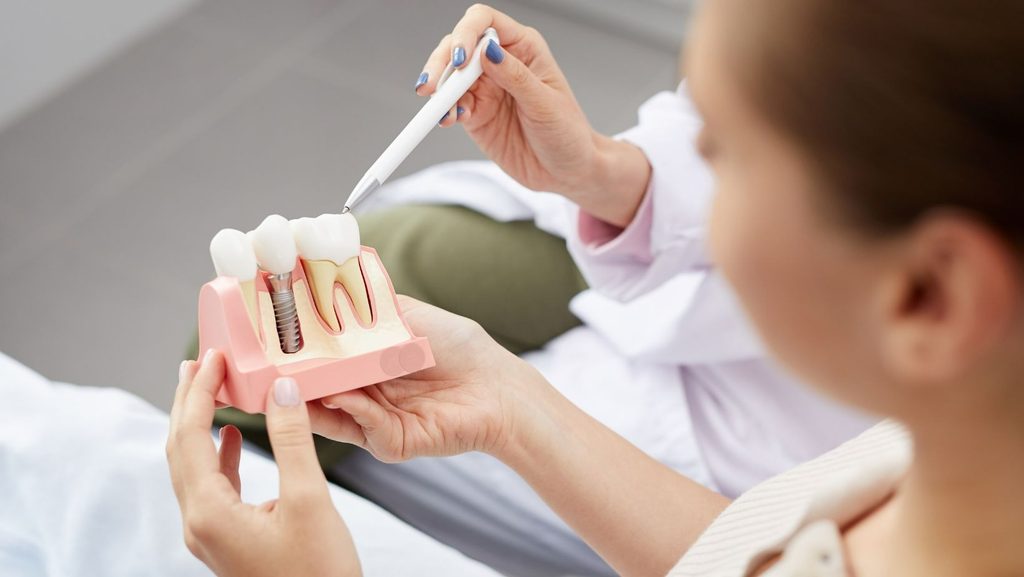
For implant planning, bone volume determines whether a standard implant can be placed directly or whether the site needs rebuilding first. Dentists evaluate this with imaging that measures both height and width of the remaining bone.
Shifting Teeth, Bite Changes, and Uneven Wear
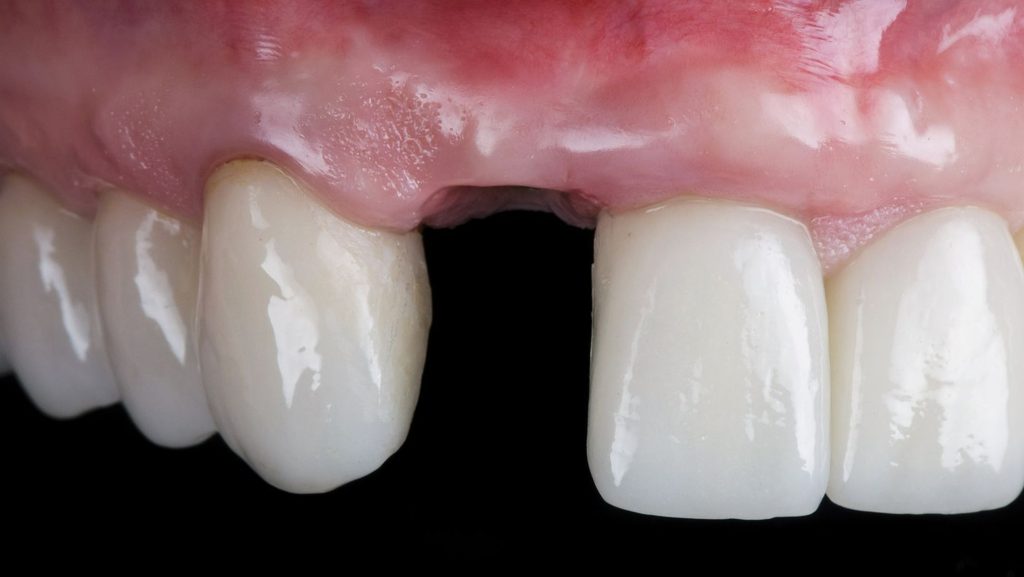
Neighboring teeth drift toward an open gap, and opposing teeth can super-erupt into the empty space. Both movements throw off the bite alignment that took a lifetime to establish.
Uneven wear follows as the bite compensates for teeth that no longer meet the way they used to. Patients sometimes notice new sensitivity or jaw soreness before they connect it back to the missing tooth.
How Dentures and One-Sided Chewing Can Affect Comfort
Removable dentures and one-sided chewing habits create their own comfort problems over time. Dentures can loosen as the underlying bone changes shape, requiring relines or adjustments that patients often find frustrating.
Chewing exclusively on one side places extra strain on that side’s jaw joint and remaining teeth. Some patients develop facial asymmetry or muscle fatigue that traces directly back to years of compensating for the gap.
Can You Still Get Implants After Years of Tooth Loss?
Implants remain possible for most patients even after a decade or more without a tooth, though the path there usually requires more evaluation than it would have earlier. Time alone rarely disqualifies someone; the condition of the bone and surrounding tissue does the real deciding.
What an Implant Evaluation Looks For
An evaluation starts with imaging that measures bone density and volume at the implant site. Dentists also check gum health, the position of neighboring teeth, and how the opposing bite has shifted.
This assessment determines whether a standard implant placement is realistic or whether additional steps come first. Medical history and current medications factor in as well, since certain conditions affect healing.
When Bone Grafting or Other Preparation May Help
Bone grafting rebuilds the ridge when years of resorption have left too little structure to support an implant on its own. Grafted bone needs several months to integrate before an implant can be placed into it.
Sinus lifts serve a similar purpose for upper back teeth, where the sinus cavity can expand downward after tooth loss. Neither procedure guarantees success on its own; success still depends on the patient’s overall bone quality and healing response.
When Health Factors May Require Treatment to Wait
Certain health conditions call for delaying implant surgery until they’re better controlled. Uncontrolled diabetes, active gum disease, and some bone-affecting medications can all interfere with healing and implant integration.
Smoking also slows healing and raises failure risk, which is why many dentists recommend quitting or cutting back before surgery. A thorough evaluation identifies these factors early, so the treatment plan accounts for them rather than running into complications mid-treatment.
An Evaluation Can Clarify Your Options
Years of waiting don’t erase the possibility of dental implants for most patients, but they do change what the treatment plan needs to include. Bone loss, shifted teeth, and bite changes are common findings, not dead ends.
An evaluation gives a concrete answer instead of an assumption. Imaging shows the actual state of the bone, a dentist reviews health history for anything that needs addressing first, and a realistic plan takes shape from there.
Southfield patients considering implants after a long gap benefit most from getting that assessment scheduled rather than continuing to guess. The mouth’s condition today, not the number of years that passed, determines what comes next.