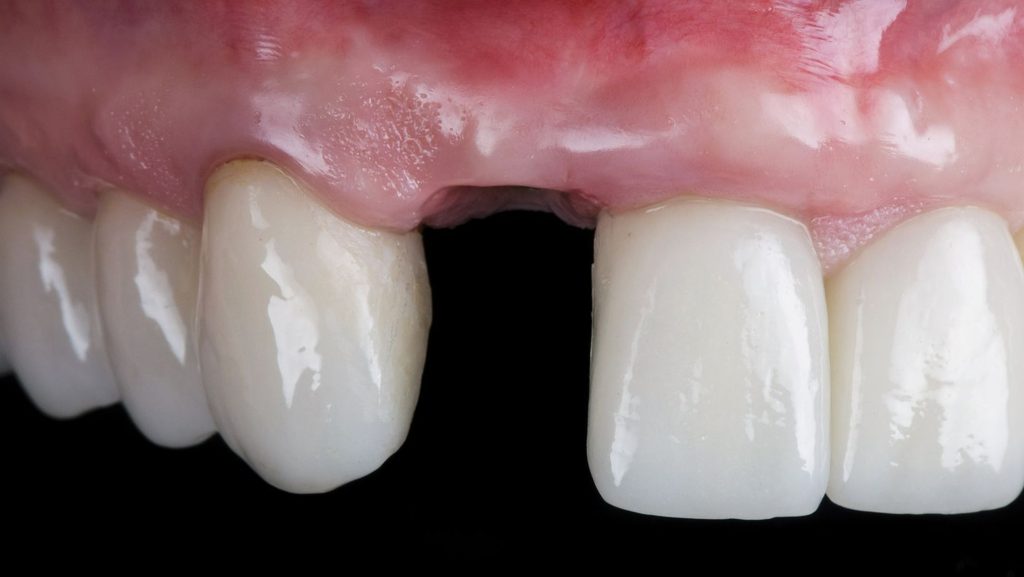
A dental implant timeline looks straightforward on paper: consultation, imaging, surgical placement, healing, restoration. Insurance pre-authorization changes that picture for many Ohio patients.
Ohio insurance pre-authorization delays implant start dates most often because incomplete documentation, payer-specific medical-necessity criteria, and standard review windows of up to five business days push the approval decision past the date a practice hoped to begin treatment. Ohio law sets response deadlines for insurers, but those deadlines only start once a request is complete, and implant cases frequently involve multiple approvals (extraction, bone graft, implant placement, crown) that each carry their own review clock.
Whether you’re scheduling dental implants in Lyndhurst, Ohio or in Columbus, Cincinnati, or anywhere in between, you’ll run into this same friction. Knowing where the delays come from, and what Ohio’s rules actually require of insurers, makes it possible to protect a planned start date instead of losing weeks to back-and-forth paperwork.
Why Approval Timing Can Postpone Implant Treatment
Implant cases move through several distinct review steps before a surgeon can book the operatory, and each step is a place where a start date can slip. The gap between submitting a treatment plan and receiving a decision is rarely instant, and payers apply their own clinical thresholds for what counts as medically necessary.
What Happens Between a Treatment Plan and an Authorization Decision
Once a dentist or oral surgeon submits a request, it enters a queue for clinical review rather than automatic approval. A reviewer, sometimes a dentist employed by the insurer, checks the submission against plan-specific coverage criteria before issuing a decision.
That review can result in approval, denial, or a request for additional information. Each round of back-and-forth resets part of the clock, which is why practices that submit a thin file often wait longer than those that front-load documentation.
Why Missing Records, Imaging, or Clinical Notes Create Delays
Incomplete submissions are the single biggest cause of stalled authorizations. Implant requests typically need periapical or panoramic X-rays, a CBCT scan when bone grafting is involved, periodontal charting, and narrative notes justifying extraction or bone augmentation.
Missing even one of these triggers a request for more information, which pauses the review until the practice responds. Coordinating CBCT scans and bone graft records before submission avoids this stop-and-start cycle.
How Payer-Specific Medical-Necessity Rules Affect Scheduling
Insurers define medical necessity differently, and a plan that requires proof of failed alternatives (like a bridge or partial denture) before approving an implant will delay cases that skip that documentation. Some plans also apply waiting periods or annual maximums that affect whether a procedure is even eligible for coverage in the current benefit year.
A treatment plan built around one payer’s criteria may need rework if the patient’s actual plan applies stricter standards, adding another round of review before a start date can be confirmed.
Which Ohio Coverage Rules and Payers Affect the Timeline
Ohio’s prior authorization law sets firm response deadlines, but those deadlines vary by urgency and by payer type, and 2026 brings new federal requirements into the mix for several plan categories. Knowing which rules apply to a given plan clarifies how long a wait is reasonable before following up.
Ohio Response Deadlines for Standard and Urgent Requests
Ohio House Bill 122 requires insurers to respond to standard prior authorization requests within five business days and to urgent requests within 48 hours. Denials must come with a clinical rationale rather than a generic rejection.
These deadlines apply once the payer has a complete request in hand. An incomplete submission does not start the clock, which is why documentation quality directly affects how quickly a decision arrives.
How Medicare WISeR Prior Authorization May Affect Covered Procedures
The Medicare WISeR prior authorization model adds review steps for certain procedures covered under traditional Medicare. Where it applies, patients and providers should expect an additional layer of documentation and review timing beyond standard commercial insurance processes, since WISeR uses technology-assisted review to evaluate whether a service meets coverage criteria before it’s furnished.

Providers billing implant-related procedures under Medicare should confirm whether the specific code and region fall under WISeR before assuming standard commercial timelines apply.
Why Medicare Advantage, Medicaid, and Commercial Plans Differ
Each payer category runs its own authorization process. Ohio Medicaid requires prior authorization for many dental procedures and, starting January 1, 2026, will align its requirements with the federal CMS Interoperability and Prior Authorization Final Rule (CMS-0057-F), which also affects Medicare Advantage, Medicaid managed care, and Qualified Health Plan issuers.
| Payer Type | Standard Review Window | Notable 2026 Change |
| Ohio Commercial (HB 122) | 5 business days | Clinical rationale required on denial |
| Ohio Medicaid | Varies by service | New CMS-aligned PA rules effective Jan 1, 2026 |
| Medicare Advantage | Varies by plan | Subject to CMS-0057-F interoperability rule |
| Traditional Medicare (WISeR areas) | Model-specific | Technology-assisted review added |
Commercial plans regulated under Ohio Revised Code 3923.041 follow the state’s deadlines, but the statute exempts certain policy types, including some dental-only contracts, so it’s worth confirming which rules actually govern a specific plan.
How Updated Clinical Criteria Can Change Approval Requirements
Payers periodically update the clinical criteria used to evaluate implant requests, adding new documentation requirements or narrowing what qualifies as medically necessary. A request built on last year’s criteria can come back with a request for additional records simply because the payer’s standard changed.
Checking current criteria before submission, rather than relying on a prior approval as a template, reduces this risk.
How Patients and Practices Can Protect the Planned Start Date
Protecting a target start date comes down to submitting a complete request early, tracking its status actively, and having a plan for denials or delays. Ohio’s deadlines only help once a request is in motion; the work before submission determines how smoothly that clock runs.
Submitting a Complete Request Before Booking Treatment
A complete initial submission is the strongest lever a practice has over timing. That means current imaging, periodontal and bone-density documentation, a clear narrative of medical necessity, and any prior treatment history the payer is likely to ask for.
Booking the surgical date only after authorization is confirmed, rather than before, avoids the scramble of rescheduling if the payer requests more records mid-review.
Following Up on Pending Reviews and Requests for More Information
Active follow-up shortens delays that silence would extend. Practices that call or message the payer at the midpoint of the review window (day two or three of a five-day standard request) catch requests for additional information sooner and respond before the case stalls further.
Documenting every submission date and response deadline in the patient’s file makes it easy to flag a payer that’s running past its own required timeline.
What to Do When an Authorization Is Denied or Delayed
A denial requires a clinical rationale from the insurer under Ohio law, and that rationale is the starting point for an appeal. Reviewing the stated reason, gathering any missing documentation, and resubmitting quickly keeps the case moving instead of restarting from zero.
Ohio Medicaid recipients have an added protection: Ohio Administrative Code Rule 5160-1-31 allows a provider to render a service considered urgent before authorization is granted, with approval for reimbursement sought afterward, when a delay would be detrimental to the patient’s health.
When an Urgent Review May Be Appropriate
Urgent review applies when delaying treatment would put a patient’s health at meaningful risk, and Ohio’s 48-hour urgent deadline exists for exactly these cases. Active infection, significant pain, or a failing restoration that’s affecting eating or speech are the kinds of clinical circumstances that support an urgent request.
Requesting urgent review without clear clinical justification can slow things down instead, since payers may push back on the urgency designation and ask for additional proof before processing the request at all.
Planning Implant Care Around Ohio Authorization Timelines
Start dates hold up best when the authorization request goes out complete, early, and matched to the specific payer’s current criteria. Ohio’s five-business-day and 48-hour deadlines give patients and practices a real benchmark, but those clocks only run once the paperwork is right.
Watching for payer-specific differences, whether Medicaid’s 2026 rule changes, Medicare Advantage requirements under CMS-0057-F, or WISeR’s added review layer for traditional Medicare, prevents surprises mid-treatment. A little extra preparation before submission is what keeps a planned implant date from becoming a moving target.